WHAT YOU NEED TO KNOW
- German Air Force pilots trained at the U.S. Army’s Illesheim Flight Simulator Complex in Germany.
- Germany expects to receive 60 CH-47F Block II Chinook helicopters beginning in fall 2027.
- More than 200 trained pilots are planned to operate Germany’s future heavy lift helicopter fleet.
- German aviators will begin annual training at Fort Rucker in 2028, including CH-47 qualification.
A U.S. Army flight simulator at Stock Barracks in Illesheim, Germany, is serving as a critical training hub for NATO aviation as German forces prepare for a new Chinook fleet. The Illesheim Flight Simulator Complex, known as IFSC, is based at U.S. Army Garrison Ansbach.
Operated by U.S. Army Europe and Africa, the complex provides specialized training before the German Armed Forces receive 60 CH-47F Block II Chinook helicopters. The heavy lift, tandem rotor aircraft are expected to strengthen Germany’s transportation capabilities.
Two German Air Force pilots who are scheduled to join the first group flying the new aircraft recently trained at the IFSC. The aircraft are expected to arrive in fall 2027, giving the visiting pilots an early look at operating the future fleet.
The simulator allows pilots to confront difficult scenarios without placing an actual aircraft or crew in danger. Training can cover emergency procedures, demanding landings, severe weather conditions and other situations crews would rather encounter first in a controlled setting.
“In the simulator you can train all the scenarios you do not want to experience while flying a real aircraft,” said Lt. Col. L, whose name was withheld in accordance with standard German Air Force practice. “Emergency procedures, challenging landings and extreme weather operations can all be practiced safely.”
The second visiting pilot offered an equally direct assessment of the system’s capabilities. “Everything you can do in a real flight, you can also do in a simulator,” Maj. H said.
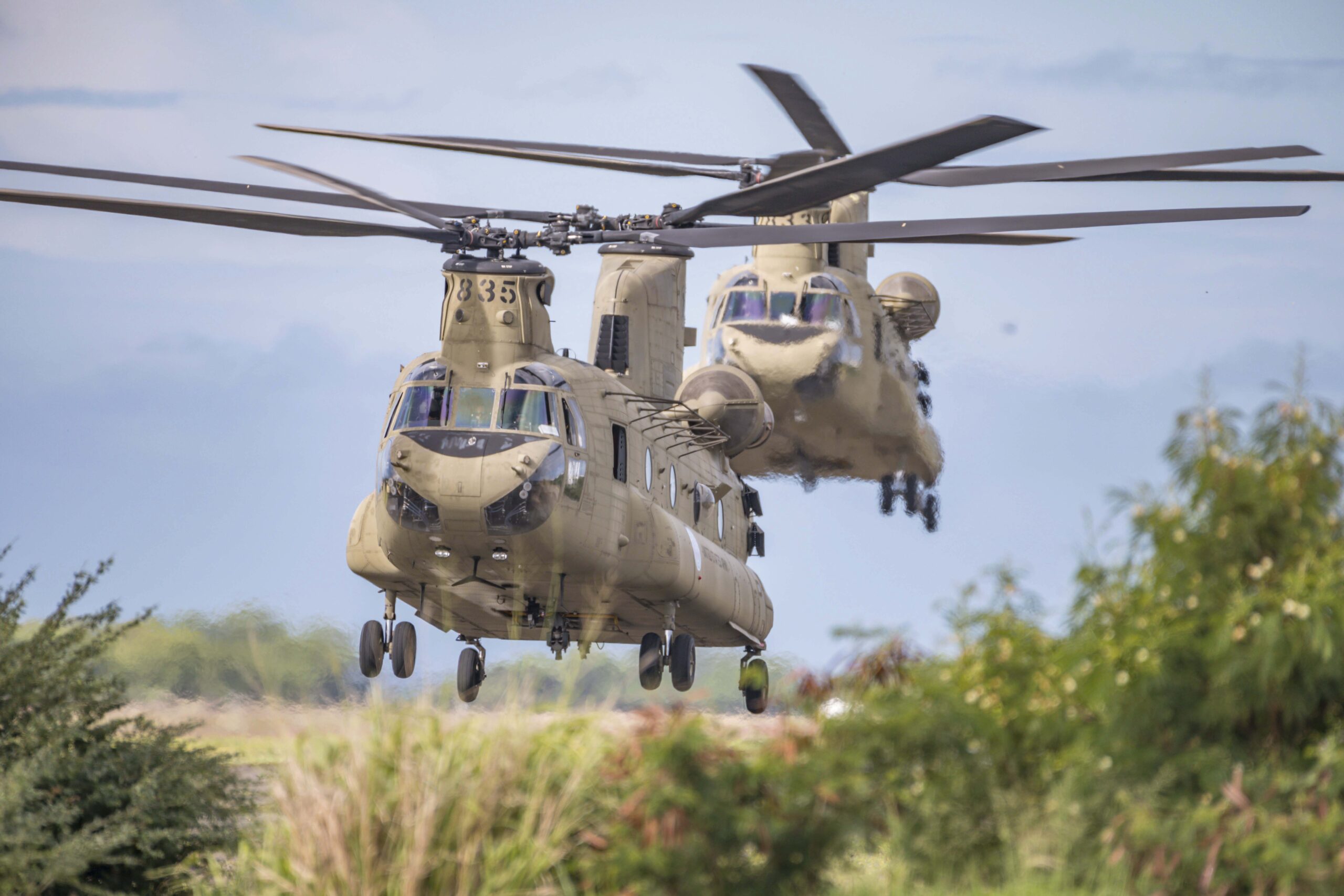
Germany’s coming fleet will be stationed at two Bundeswehr installations. According to the Army statement, the helicopters are intended to increase the German military’s heavy lift and transportation abilities once the aircraft enter service.
The two German pilots also completed training at the U.S. Army Aviation Center of Excellence at Fort Rucker, Alabama. Fort Rucker is the Army’s largest helicopter training institution and trains more than 1,300 U.S. soldiers every year.
Beginning in 2028, German Air Force aviators will travel to Fort Rucker annually for initial helicopter instruction. They will also complete track training that includes qualification on the CH-47 platform.
The Army did not disclose how many German aviators are expected to train at Fort Rucker each year. The release said the German Air Force plans to have more than 200 trained pilots available to operate the future helicopter fleet.
Germany has already started sending helicopter pilots for conversion training on the CH-47 platform. That instruction is part of the wider preparation required before German crews begin operating the 60 aircraft planned for the fleet.
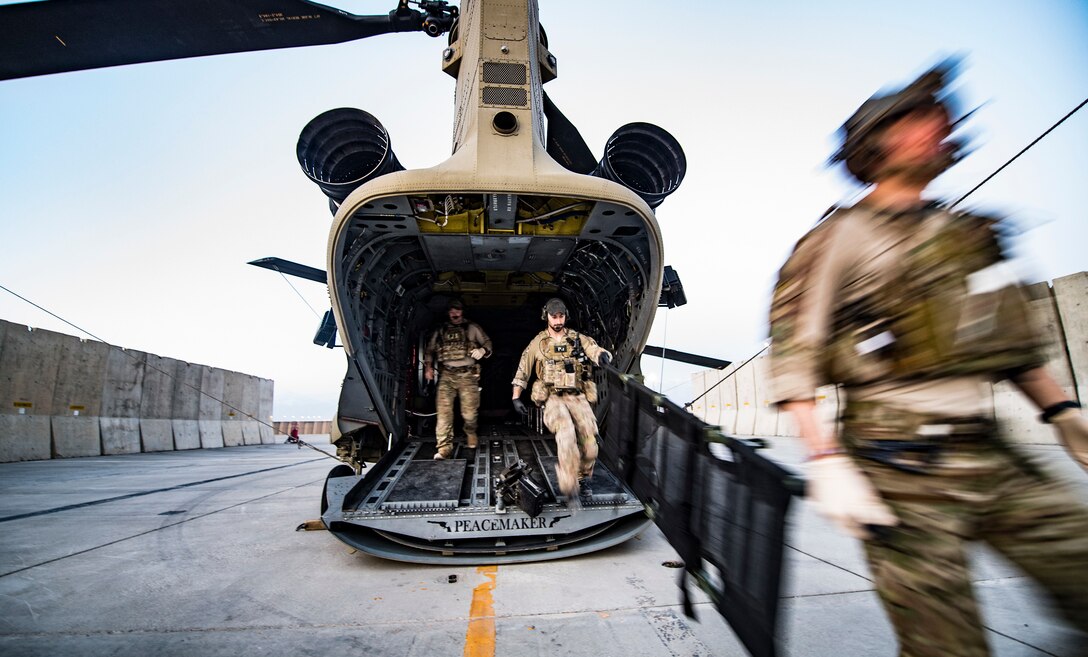
The IFSC simulator software is configured for U.S. Army aircraft rather than the versions that will be used by the Bundeswehr. As a result, German pilots will require additional instruction to transition from the American configuration to their own Air Force aircraft.
Even with that difference, the simulator’s location offers a major practical benefit for German crews. Instead of crossing the Atlantic for advanced simulator instruction, pilots can drive between three and five hours from their home station to the facility in Germany.
Using an existing U.S. Army training site also allows NATO partners to avoid the expense of building their own simulator complex. The arrangement gives allied aviators access to established facilities already operating in Europe.
The IFSC schedule gives priority to U.S. Army soldiers, but the complex still routinely supports pilots from at least five NATO partners. Its role therefore extends beyond American aviation units while keeping U.S. Army training first in line.
“For NATO partners requiring up-to-date, quality aircraft simulation training, USAG Ansbach’s Storck Barracks continues to prove its value: a small installation delivering strategic impact through world‑class training,” the release reads.
Join the Discussion
COMMENTS POLICY: We have no tolerance for messages of violence, racism, vulgarity, obscenity or other such discourteous behavior. Thank you for contributing to a respectful and useful online dialogue.