WHAT YOU NEED TO KNOW
- DPAA will begin disinterring 86 unknown Arizona sailors and Marines from the Punchbowl on Dec. 7.
- Forensic specialists will compare DNA from the remains with samples provided by relatives.
- Operation 85 reached the 60% DNA sample threshold required for disinterments to begin.
- More than 900 of the Arizona’s 1,177 dead remain entombed within the sunken hull.
Hundreds of relatives of sailors and Marines killed aboard the battleship Arizona are expected to gather in Hawaii on Dec. 7, the 85th anniversary of the Pearl Harbor attacks. The War Department will begin exhumations that could identify remains and return them to their families.
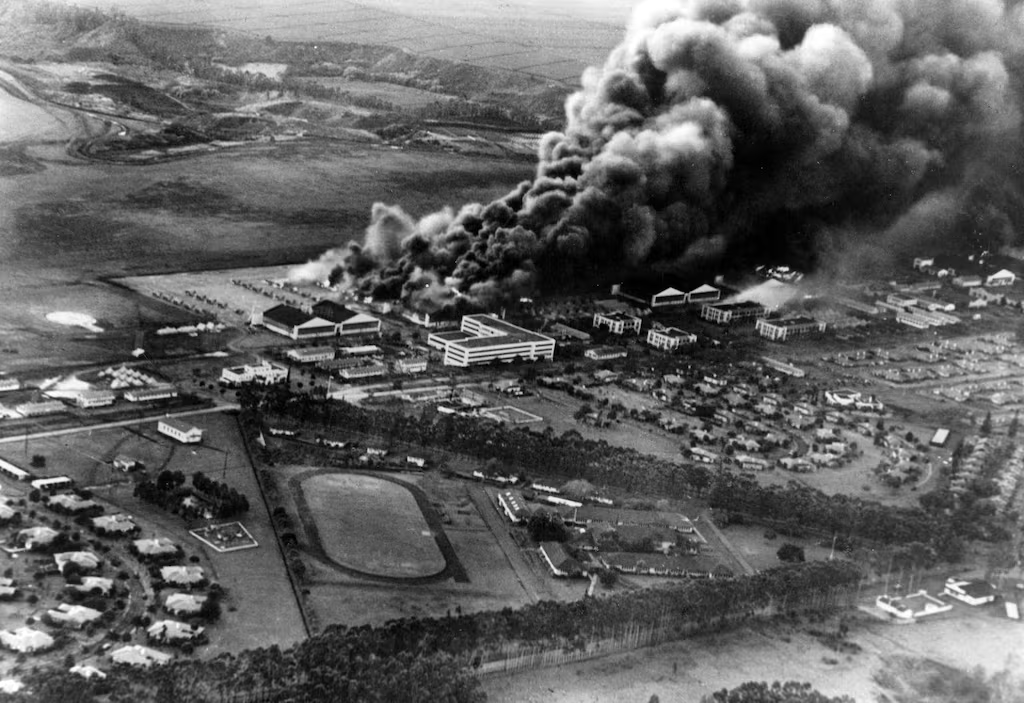
The Arizona suffered more fatalities than any other American ship during the attack. Its 1,177 dead accounted for nearly half of the 2,403 people killed at Pearl Harbor.
Among the ship’s dead, 277 sailors and Marines were buried at Honolulu’s National Memorial of the Pacific. The identities of 86 of those men remain unknown.
The work will begin Dec. 7 with the disinterment of eight caskets from the National Cemetery of the Pacific, commonly known as the Punchbowl. The Defense POW/MIA Accounting Agency said approximately eight caskets will be removed each week until all 86 have been disinterred.
MORE NEWS: Pentagon Confirms First Military Execution in Over 60 Years Will Be Publicly Livestreamed
Forensic specialists from DPAA will examine the remains and attempt to match their DNA with samples provided by family members. The process could finally give families answers about relatives whose identities have remained unresolved since the attack.
“DPAA is honored to be able to provide long-sought answers to families of these Unknowns,” Kelly McKeague, a retired Air Force major general and director of DPAA, said in a statement.
McKeague credited Operation 85 with making the disinterments possible. The organization is led by Kevin Kline, a Virginia real estate agent and the grandnephew of Gunner’s Mate 2nd Class Robert Edwin Kline.
“Being able to disinter the 86 Unknowns associated with USS Arizona is singularly due to the determined initiative and extraordinary efforts of Operation 85,” McKeague said.
Robert Edwin Kline died when the Arizona was struck by at least eight bombs dropped by Japanese warplanes. His grandnephew’s organization took up the work of gathering DNA Family Reference Samples from relatives of those listed as unknowns.
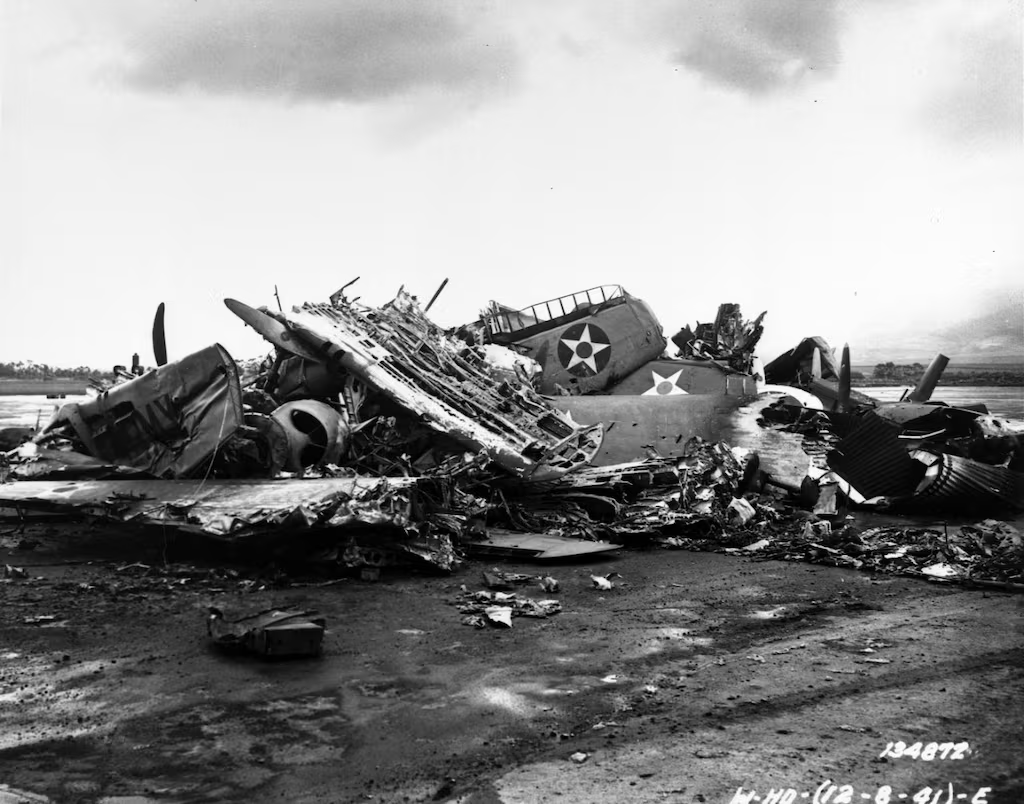
That collection effort became part of the USS Arizona (BB39) Unknown Identification Project. Operation 85 began gathering samples after the Navy and the War Department said the project could not be completed and would cost too much to attempt.
DPAA announced last April that Operation 85 had reached the required 60% threshold of DNA Family Reference Samples for the Unknowns. Reaching that benchmark allowed the planned disinterments to move forward.
“Reaching this milestone does not conclude the search for additional USS Arizona and associated Pearl Harbor family members who may be able to provide viable DNA Family Reference Samples,” DPAA said in its April announcement.

“DPAA, Operation 85, and the service casualty offices continue to encourage any family member who may be related to a missing USS Arizona crew member to participate in this ongoing effort.”
Kline told Military Times by phone that beginning the exhumations on Dec. 7 does not mean the effort is finished. Families connected to the Arizona’s missing crew members are still being sought for potential DNA samples.
The start of the process “doesn’t mean we’re done. We’re still looking [to] take those words unknown off those graves” remaining in the Punchbowl, Kline said. “I think this is a problem we can fix.”
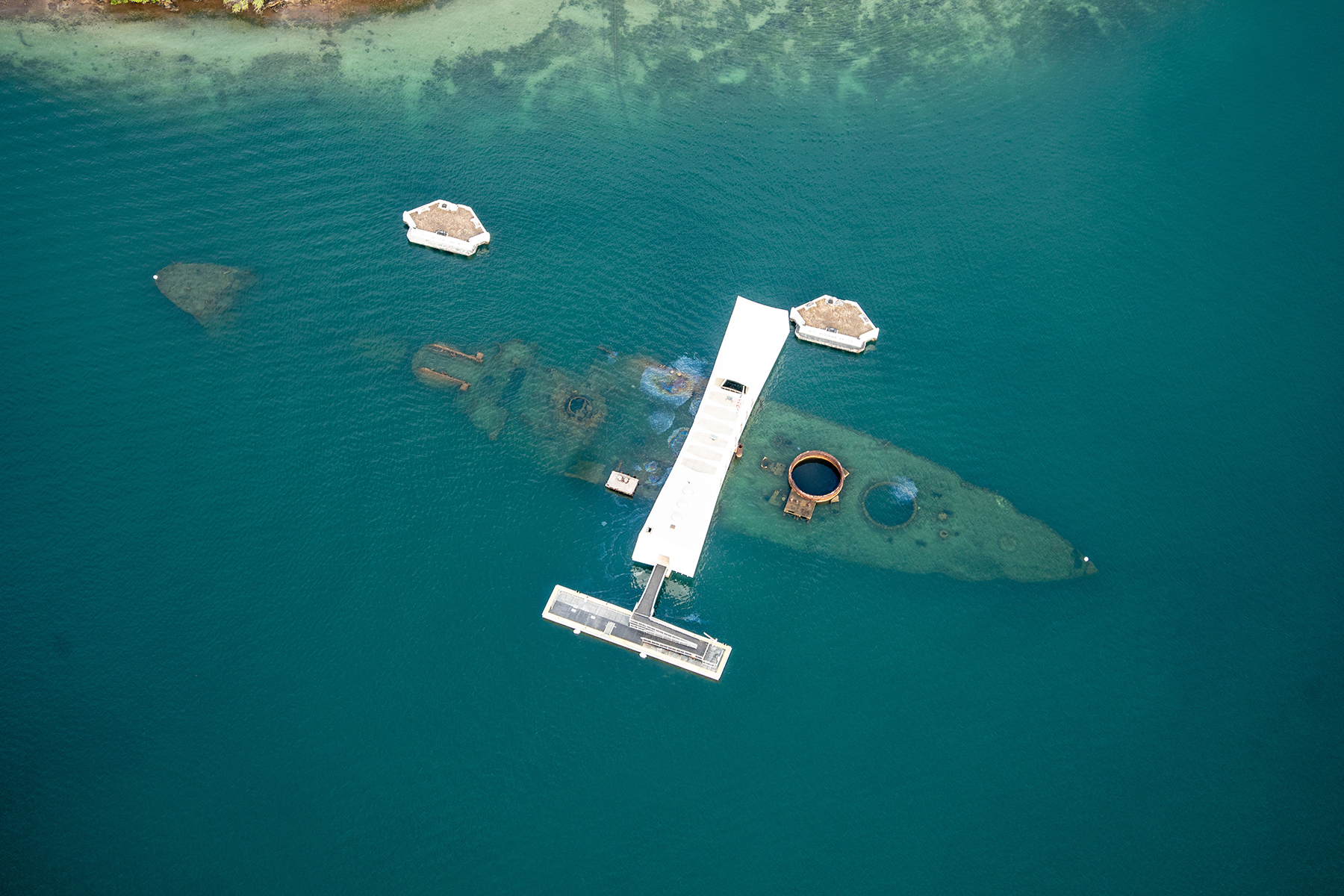
A total of 1,177 sailors and Marines aboard the Arizona were killed during the surprise attack on Pearl Harbor. More than 900 of those killed remain entombed inside the ship’s sunken hull beneath the USS Arizona Memorial.
For the families of the 86 Unknowns buried at the Punchbowl, the disinterments open a path toward possible identification. The painstaking work will depend on forensic examination and the DNA Family Reference Samples collected from relatives.
Join the Discussion
COMMENTS POLICY: We have no tolerance for messages of violence, racism, vulgarity, obscenity or other such discourteous behavior. Thank you for contributing to a respectful and useful online dialogue.