WHAT YOU NEED TO KNOW
- Larry Kerr founded a Utah organization seeking to honor Vietnam veterans sickened after exposure to Agent Orange.
- Sunset City approved a memorial in its veterans park, with organizers hoping to finish it by Veterans Day.
- More than 20 million gallons of tactical herbicides and defoliants were sprayed in Vietnam from 1961 through 1971.
- The Agent Orange Act established presumptive conditions, and the VA now recognizes roughly 19 specific conditions.
Former Air Force Sgt. Larry Kerr has spent years pressing for a memorial honoring Vietnam veterans who developed cancers and other diseases after exposure to Agent Orange. Military leaders and what was then the Veterans Administration had claimed the defoliant was safe.
“I just got tired of watching my friends die” without recognition, Kerr said. Two years ago, he founded the Utah Agent Orange Veterans Foundation to honor Vietnam veterans exposed to the deadly herbicide.
Kerr, 78, told Military Times that the veterans behind the effort hope to complete the memorial by Veterans Day. “We’re just a bunch of old guys trying to get this done,” he said.
Kerr served two tours in Vietnam with the 412th Munitions Maintenance Squadron. Its members have a presumption of Agent Orange exposure because of the locations where they served.
Since leaving the service, Kerr said he has faced testicular cancer and heart disease. He also expects to undergo an operation to remove three tumors from his bladder.
His deepest anger centers on veterans who returned from Vietnam with honors but were later told their illnesses were not connected to their service. “We’ve had so many survive, come back with Purple Hearts, Silver Stars, and then come back here to die of Agent Orange — that’s what really burns my butt,” Kerr said.
The campaign persuaded Mayor Scott Wiggill and the Sunset City Council to permit the foundation to build the memorial in Sunset City Veterans Park. Sunset City, Utah, has about 5,400 residents and sits roughly 25 miles north of Salt Lake City.
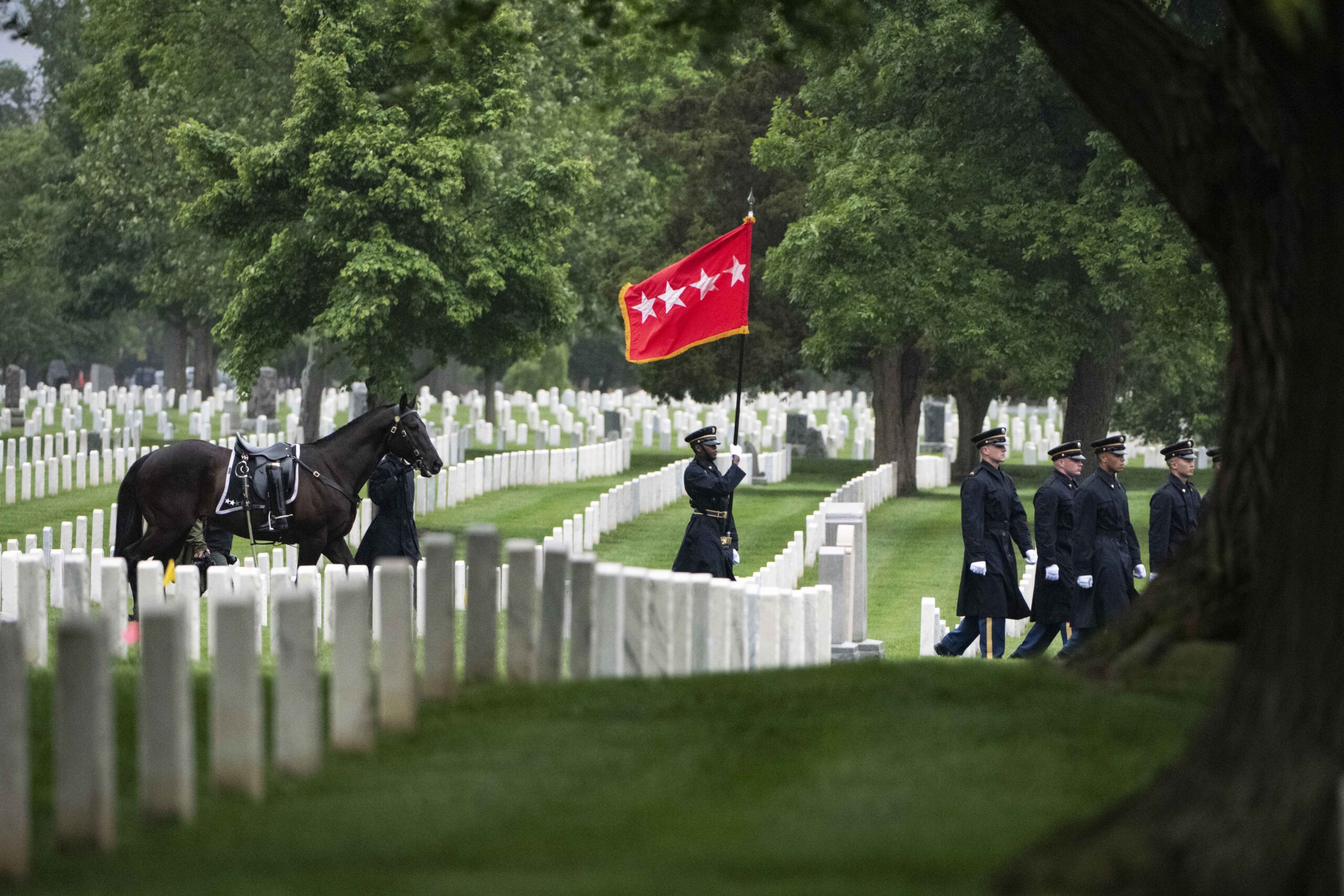
In 1959, Sullivan began his career in the Army as an armor officer. He served one tour in postwar Korea, two combat tours in Vietnam, and four tours in Europe during the Cold War. Sullivan also served as the commander of 1st Brigade, 3rd Armored Division and commanded the 1st Infantry Division. He went on to serve as the Army G-3 and the vice chief of staff before being appointed as the chief of staff of the U.S. Army on June 21, 1991. He held this position until June 31, 1995.
During his vast career, Sullivan was awarded the Distinguished Service Medal twice, Legion of Merit, Bronze Star, Purple Heart, and many others.
His spouse, Lori Sullivan, received the U.S. flag from his funeral service.
(U.S. Army photo by Elizabeth Fraser / Arlington National Cemetery / released)
“We were more than proud to do it,” Wiggill told Military Times. Wiggill, whose office is nonpartisan, added, “It’s a shame our federal government failed to recognize the Agent Orange victims for such a long time.”
The memorial will recall a tragedy rooted in the Vietnam War. In 1961, the administration of President John F. Kennedy approved military defoliation and herbicide spraying missions.
Operation Ranch Hand began on Jan. 18, 1962, using twin prop Air Force C-123 Provider aircraft. Early missions concentrated on transportation routes and the perimeters of U.S. bases.
The spraying operation expanded beyond Agent Orange to include herbicides code named Agents White, Purple, Blue, Pink, and Green. More than 20 million gallons of tactical herbicides and defoliants were sprayed in Vietnam from 1961 through 1971.
Agent Orange accounted for roughly 61% of that total and was contaminated with the highly toxic chemical compound dioxin, according to the National Institutes of Health. The spraying was intended to strip away forest and jungle cover used by the Viet Cong and North Vietnamese regulars while destroying crops that sustained them.
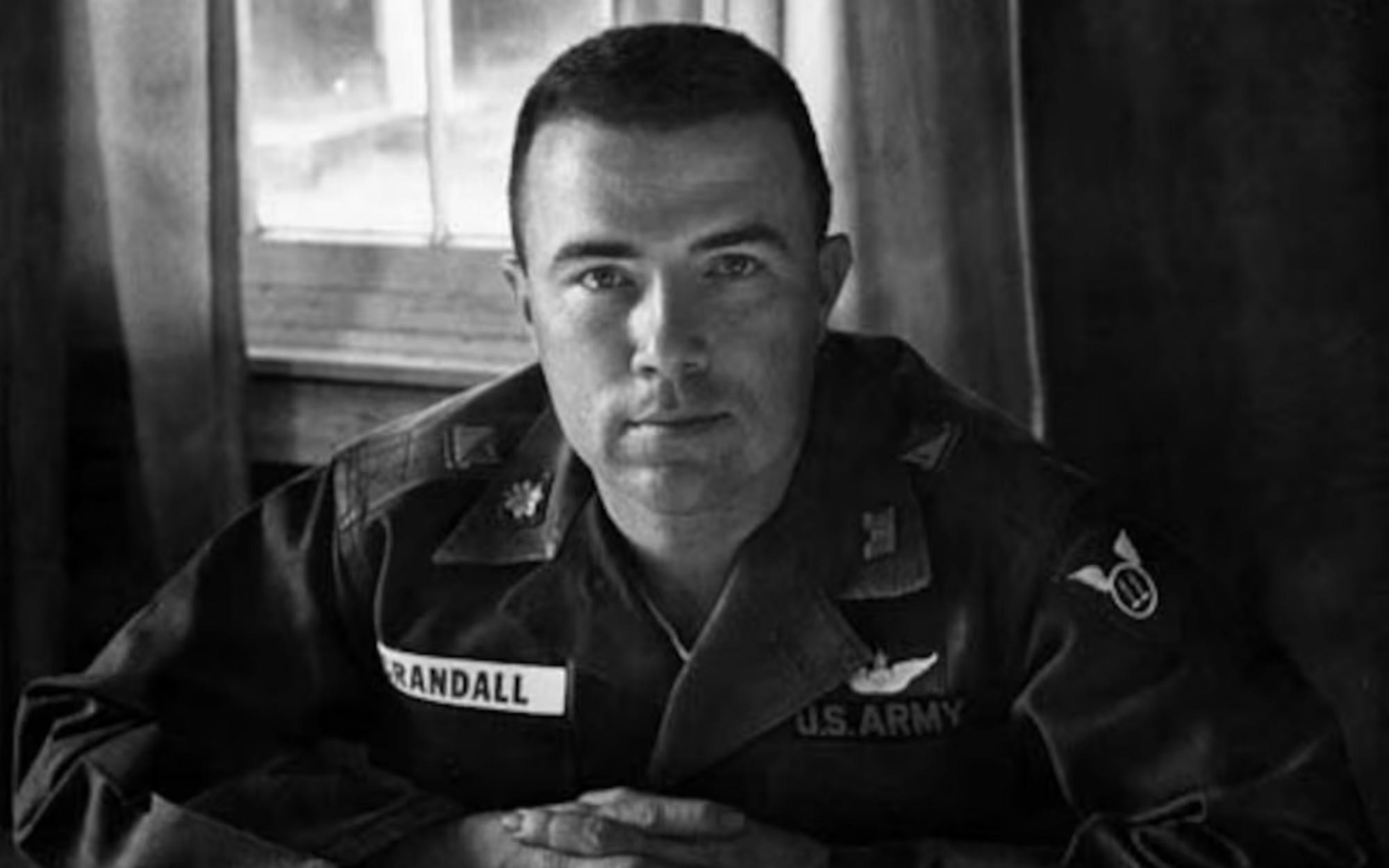
Army field manuals described the agents as “relatively non-toxic to man or animals,” leading commanders to abandon precautions when spraying occurred nearby. Army Gen. William Westmoreland, the former commander of all U.S. forces in Vietnam, later defended Agent Orange as a tactical necessity.
“The enemy used the jungle to hide, to ambush, to move troops. We had to find a way to deny him that cover,” Westmoreland wrote in his memoirs.
After the war, veterans continued seeking recognition that their illnesses were connected to their service and qualified them for disability compensation. The VA nevertheless maintained there was no positive evidence of permanent harmful health effects from exposure, according to a 2024 VA report.
The military stopped using Agent Orange and the other herbicides in 1971. Remaining Agent Orange stocks were shipped to Johnson Atoll, about 825 miles southwest of Honolulu, and incinerated in 1977.
In 1984, Vietnam veterans and their families pursued a landmark class action lawsuit in Brooklyn federal court against seven chemical companies, including Dow Chemical and Monsanto. The case produced a $180 million settlement while allowing the companies to continue denying liability for veterans’ health problems.
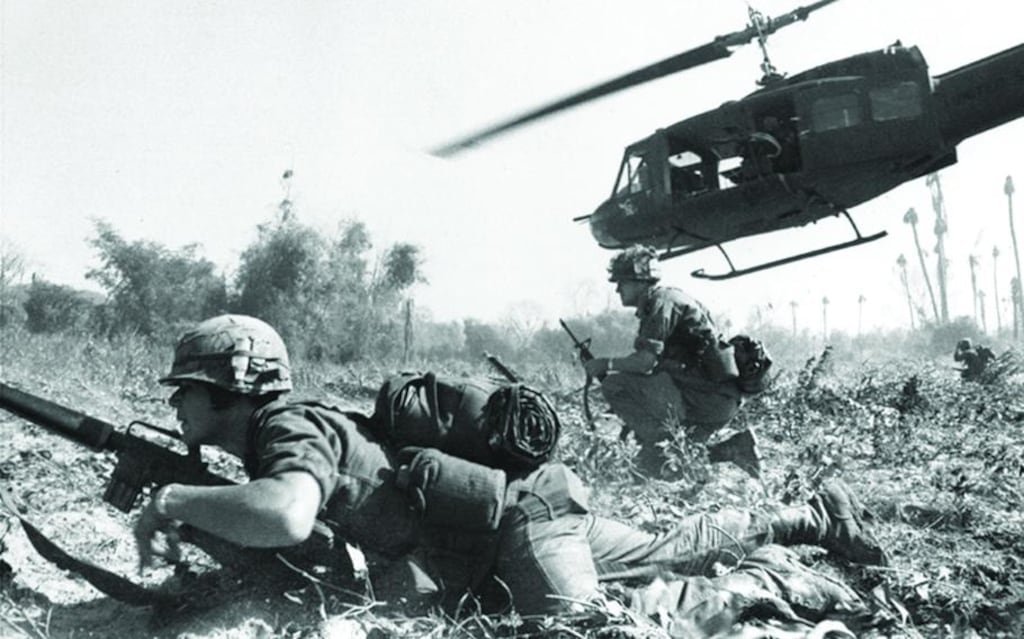
President George H. W. Bush signed the Agent Orange Act on Feb. 6, 1991. The law established presumptive conditions that allowed exposed Vietnam veterans with non-Hodgkin’s lymphoma, soft tissue sarcomas and chloracne to receive VA medical benefits.
The VA has since expanded that list to roughly 19 specific presumptive conditions associated with Agent Orange and other herbicides. Kerr and other veterans in Sunset City are now seeking to preserve the story of that prolonged fight for recognition.
One memorial panel will deliver their message directly: “This memorial stands as a promise that their sacrifices will never be forgotten, their voices will never be silenced, and those who follow will be protected.”
Join the Discussion
COMMENTS POLICY: We have no tolerance for messages of violence, racism, vulgarity, obscenity or other such discourteous behavior. Thank you for contributing to a respectful and useful online dialogue.