WHAT YOU NEED TO KNOW
- About 1,000 Hurlburt Field residents were ordered to evacuate private military housing and an associated RV site by 5:00 p.m. Thursday.
- MC-130s and AC-130s were relocated to Little Rock Air Force Base, while other aircraft were moved into nearby hangars.
- Eglin evacuated F-15s, F-16s and F-35s assigned across three wings as a precaution before the hurricane.
- Personnel secured equipment, removed empty trailers and placed sandbags near waterfront buildings vulnerable to rising water.
Air Force installations in Florida moved personnel and military aircraft out of danger as Hurricane Isaias approached a possible Friday landfall. Commanders at Hurlburt Field and Eglin Air Force Base paired evacuation measures with efforts to protect equipment, secure facilities and preserve their ability to carry out missions.
On Wednesday, the commander of the 1st Special Operations Wing directed residents in private military housing at Hurlburt Field, Florida, to evacuate. The order also covered residents at an RV site associated with the installation.
About 1,000 residents were ordered to leave by 5:00 p.m. Thursday. The evacuation was issued out of an abundance of caution as the storm threatened Florida and other areas along the U.S. Gulf Coast.
The 1st Special Operations Wing described the evacuation as “targeted” because of “constraints” involving the base’s water utility infrastructure. Rising water levels could disrupt wastewater, sewage and drinking water services for the privatized housing located on the base.
Wing officials emphasized that the targeted action did not signal evacuation orders for the remainder of Hurlburt Field. It also did not indicate that an evacuation had been ordered for the surrounding community.
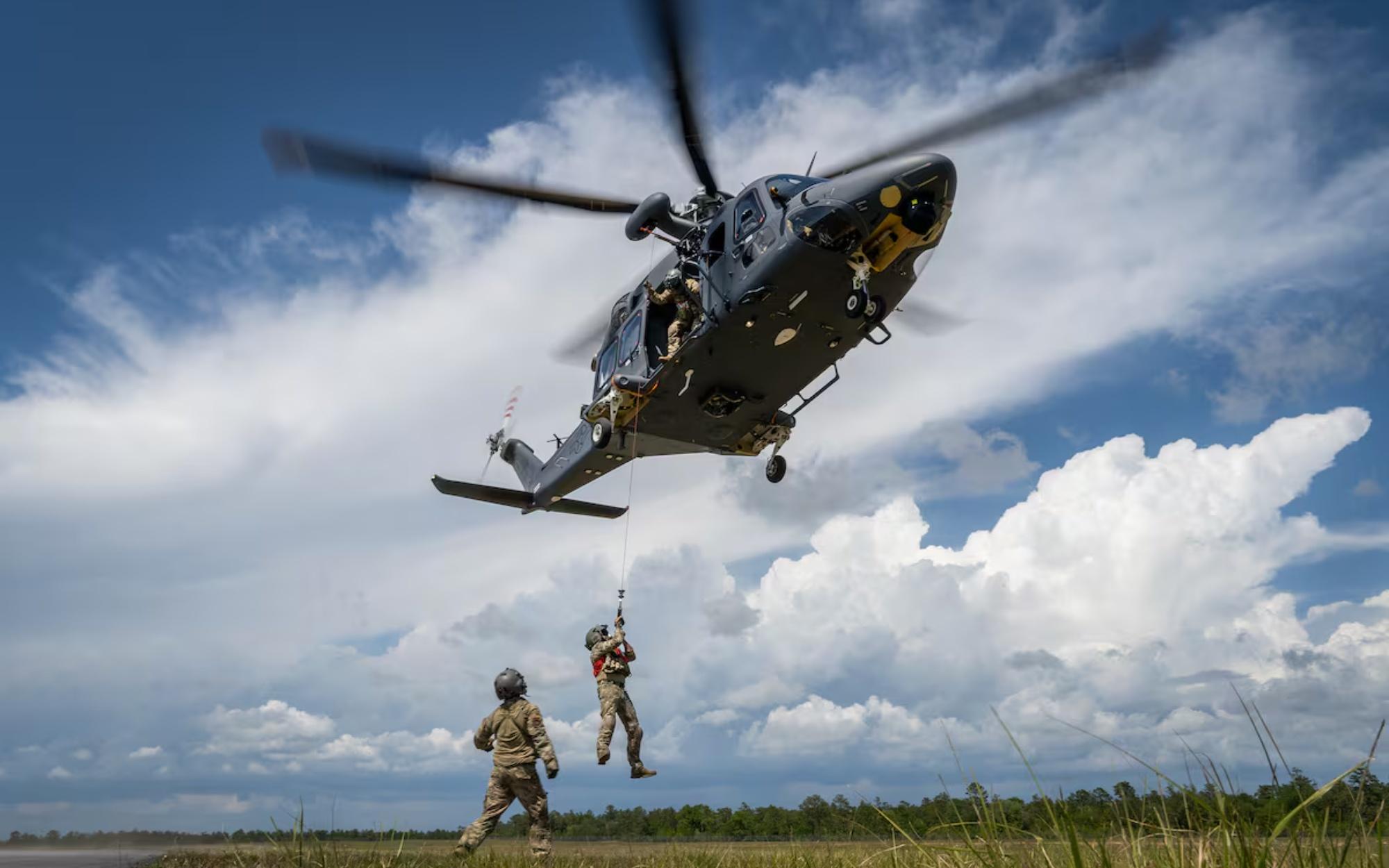
At Eglin Air Force Base, installation commander Col. Chris Keithley issued an alert Thursday directing personnel and their families to follow evacuation zone orders from Okaloosa County. The number of personnel affected by those local evacuation orders was not immediately available.
Hurricane Isaias was moving toward the U.S. Gulf Coast, where weather alerts covered portions of the Florida panhandle. Alerts also extended to coastal areas of Alabama, Mississippi and Louisiana.
The National Hurricane Center issued a storm surge warning for the threatened area. The warning alerted residents to the potential for “life-threatening” flooding as the hurricane approached the coast.
Hurlburt Field personnel were taking steps to move aircraft and prepare facilities before the storm arrived. “We are in the process of evacuating our aircraft, securing facilities, and ensuring our installation is ready to weather the storm,” a 1st Special Operations Wing spokesperson said.
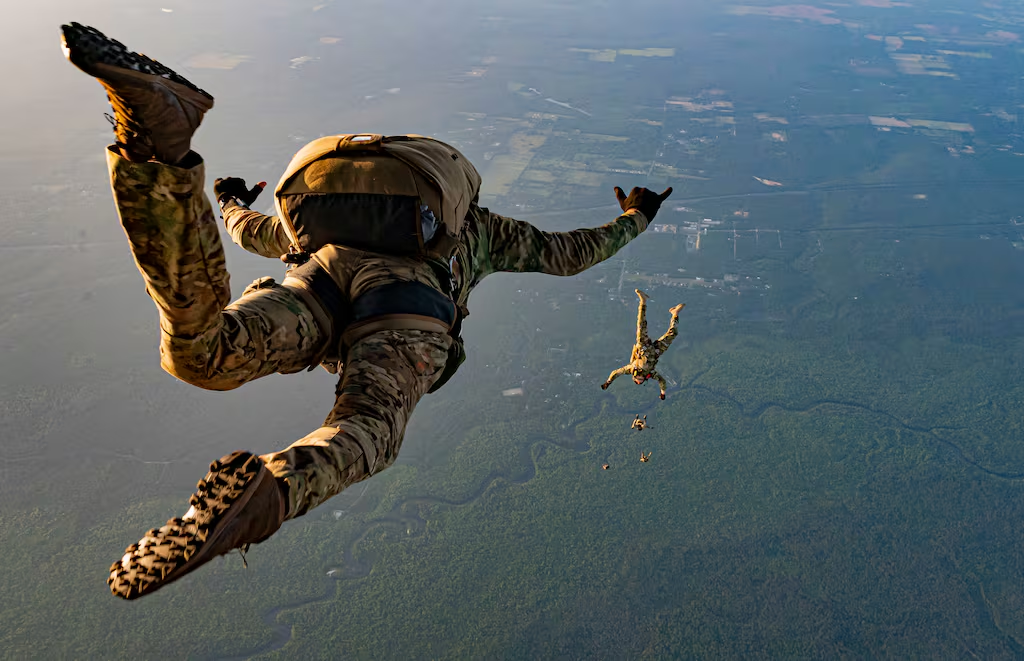
Savannah Stephens, the wing’s chief of public affairs, said MC-130s and AC-130s were evacuated to Little Rock Air Force Base, Arkansas. Other aircraft undergoing maintenance were moved into nearby hangars to shield them from the storm.
Personnel also removed items outside that could be damaged or carried away by high winds. That work included securing maintenance equipment and empty trailers that otherwise could have become vulnerable as weather conditions deteriorated.

Sandbags were placed around and inside buildings in “low-lying areas” near the waterfront side of Hurlburt Field, according to Stephens. The preparations focused on locations most exposed to rising water near the base’s shoreline.
Eglin officials said aircraft assigned to the 96th Test Wing, 53rd Wing and 33rd Fighter Wing flew out Thursday as a precaution. Air Force officials told Task & Purpose that F-15s, F-16s and F-35s were among the aircraft evacuated from the installation.
Keithley said protecting both personnel and aircraft was driving the relocation decision. “As we prepare for the potential impacts of Hurricane Isaias, we are taking proactive steps to protect our people and aircraft entrusted to our care,” Keithley said in a press release Thursday.
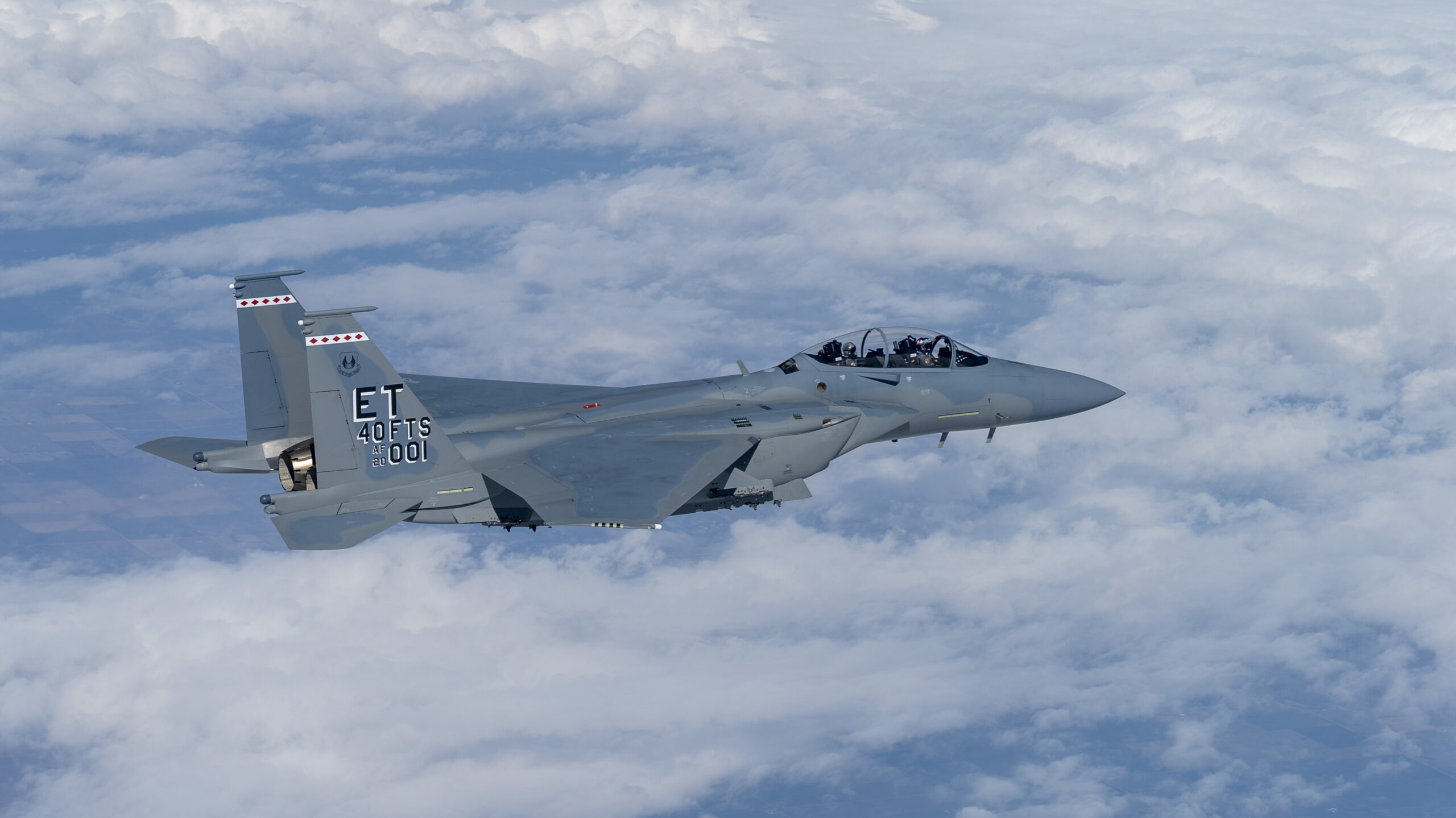
The Eglin commander also framed the aircraft movement as a matter of safeguarding public resources while keeping the mission intact. “Relocating our aircraft is a deliberate decision that reflects our responsibility to be good stewards of taxpayer resources while preserving our ability to execute the mission.”
The precautions at both Florida bases combined personnel evacuations, aircraft relocations, facility security and flood preparation. The article was updated on October 8, 2026, with information from the 1st Special Operations Wing about aircraft being relocated to Arkansas.
Join the Discussion
COMMENTS POLICY: We have no tolerance for messages of violence, racism, vulgarity, obscenity or other such discourteous behavior. Thank you for contributing to a respectful and useful online dialogue.