WHAT YOU NEED TO KNOW
- European militaries are seeking alternatives to Palantir while acknowledging that regional systems currently lack its scale, deployment footprint and operational experience.
- Germany is considering European platforms that could provide about 80% of its needs within a year while protecting national data sovereignty.
- France plans contracts for its Arcadia platform by year’s end and wants an operational version ready for field deployment by the middle of 2027.
- NATO uses Palantir’s Maven Smart System, while Helsing says Clarity could reach Germany’s Lithuania brigade within months.
European defense ministries are looking for ways to reduce their dependence on American technology and Palantir Technologies for critical military functions. A growing field of European companies is competing to provide alternatives, even as officials acknowledge that none currently matches Palantir’s overall reach and experience.
Germany’s Helsing entered that contest last week by unveiling Clarity, military intelligence software designed to support faster decision making. The system belongs to a broader market of AI powered tools that process enormous amounts of data, identify threats and recommend actions that can include targeting and attacks.
Government and military officials said Europe still lacks a direct equivalent to Palantir with the same scale, deployment footprint and operational record. That leaves militaries choosing between less mature domestic systems offering greater autonomy and an established American platform that raises concerns about long term strategic dependence.
The Trump administration has pressed Europe to accept far greater responsibility for its security while Washington reduces its military presence in the region. That pressure has also landed on NATO, forcing European governments to confront uncomfortable questions about how much capability they can provide themselves.
Similar choices are emerging in other military sectors, including satellite communications, where Elon Musk’s US company SpaceX dominates. Ukraine last week reported further significant disruptions to its SpaceX access across the entire front line and Russian occupied areas of Ukraine.
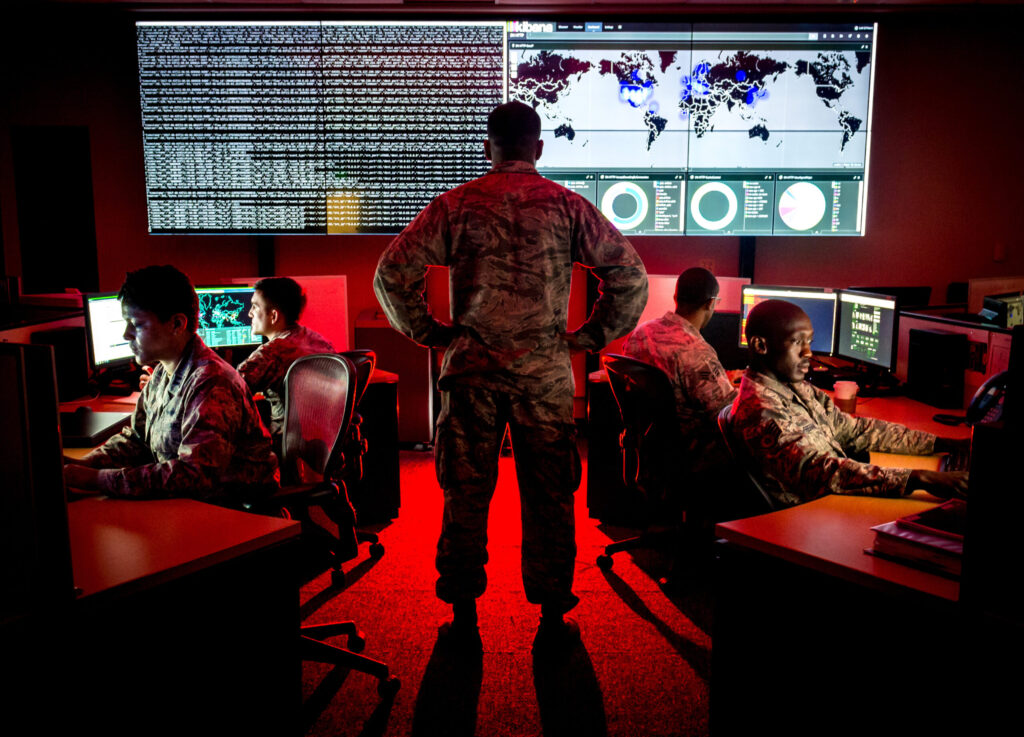
France, a leading advocate for European autonomy, is developing Arcadia, a sovereign military platform enabled by AI. Alexandre Lahousse, deputy head of France’s defense procurement agency, told Reuters that the platform would involve multiple suppliers.
The French agency plans to award at least some contracts by the end of the year and make an operational version available for field deployment by the middle of 2027. Germany is separately aiming to deploy a military data integration platform using AI beginning next year.
Germany has reduced its list to a handful of domestic and other European options, according to a person familiar with the process. Palantir is not on that list, and the person said the candidates would not equal Palantir’s capabilities but should deliver about 80% of Germany’s needs within a year while protecting national data sovereignty.
The Netherlands already uses some Palantir software but wants a European alternative within two years. Dutch arms procurement minister Derk Boswijk said the military is meeting possible suppliers and will probably need a combination of Dutch and other European providers.
“We have a lot of knowledge in Europe when it comes to AI and decision-making. But it’s very fragmented, and that is the problem,” Boswijk told Reuters. The fragmentation highlights Europe’s central challenge as governments pursue technological independence without sacrificing usable military capability.
Palantir’s Maven Smart System has been used extensively by Ukraine in its fight against Russia. The Pentagon has also adopted Maven as its core military software and used it in the war with Iran this year.
NATO’s top commander, US Air Force General Alexus Grynkewich, praised the system’s ability to combine varied information. “I’ve yet to find anything that can pull together as much of a diverse set of data and allow us the ability to make sense of that data as flexibly,” he told Reuters this summer.
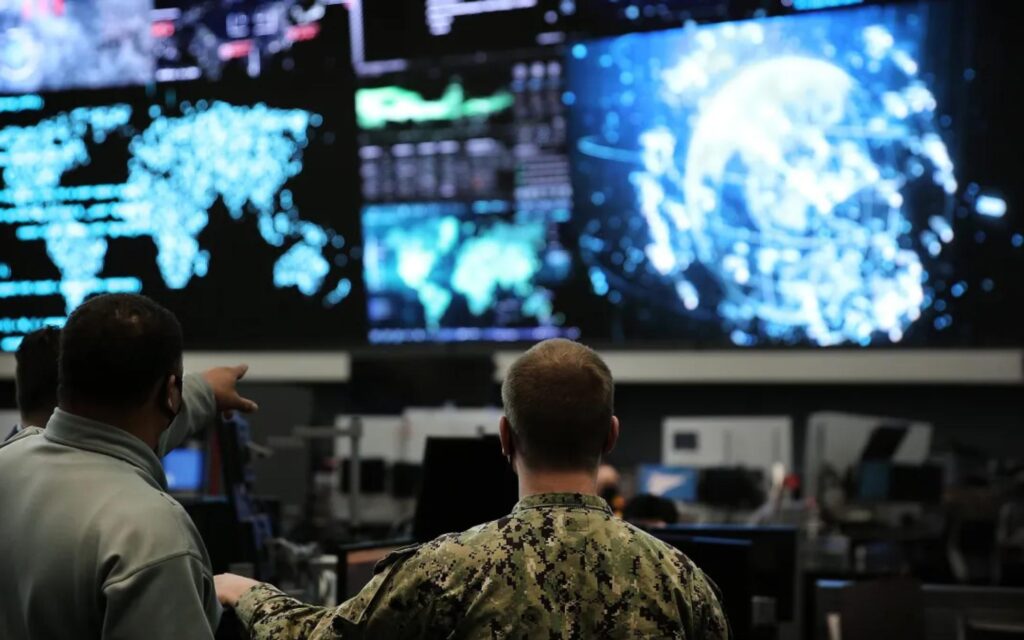
NATO’s military headquarters adopted Maven last year and announced in June that it was ready for routine operational use throughout the alliance. Militaries nevertheless continue grappling with data security, responsibility for training AI systems and the need to make different platforms function together.
Lieutenant General Christian Freuding, Germany’s army chief, raised those issues during a conference in Berlin on Friday. “There’s the issue of interoperability when we fight in alliances — and we always fight in alliances.”
NATO officials have previously warned that Russia could potentially launch a large scale attack on allied territory as early as 2029, while Moscow denies aggressive intentions. Helsing said it could provide an initial version of Clarity within months to the German military’s Lithuania brigade, viewed widely as the Bundeswehr unit most likely to face frontline combat during a conflict with Russia.
Other European military software producers include Denmark’s Systematic, whose SitaWare product is used by the Bundeswehr and parts of NATO. France’s Thales and Safran are also in the field, along with startups including Paris based Comand AI.
Palantir has sought to reassure European customers that its military AI system used by NATO has no “kill switch.” International chief Louis Mosley said demand remains in Europe, including Britain, where the defense ministry signed a three year enterprise agreement with Palantir last year.
Mosley also hopes to persuade Germany to adopt Palantir by emphasizing that its capability has been tested on the battlefield and works now. Europe’s alternatives may promise sovereignty, but officials openly concede that matching the American company’s proven performance remains another matter.
Join the Discussion
COMMENTS POLICY: We have no tolerance for messages of violence, racism, vulgarity, obscenity or other such discourteous behavior. Thank you for contributing to a respectful and useful online dialogue.