North Korea’s dictator Kim Jong Un marked the 75th anniversary of the Korean War with what he called a “modernization showcase,” personally overseeing a series of missile and artillery tests aimed squarely at unnerving both Seoul and Washington.
According to the regime’s own mouthpiece, KCNA, Kim’s test lineup included an upgraded 240mm multiple rocket launcher system, a tactical ballistic missile warhead, and a 155mm self-propelled howitzer.
The state’s report bragged that the new rocket launcher’s range is extending to 56 miles, while the howitzer achieved a roughly 40-mile reach—figures designed to send chills across the Korean Peninsula.
Kim proudly claimed the launches were proof that his drive to expand and automate North Korea’s arsenal is paying off.
Kim declared that “firepower improvement” remains at the core of his so-called national defense plan and insisted the advances were part of a policy to outmatch world powers.
“Automation, precision, and extended reach,” said Kim, are the way forward for his military buildup.
South Korean officials verified that the regime launched multiple projectiles between 7:27 and 8:20 a.m., immediately detecting and tracking them in coordination with U.S. assets.
Lee Kyung-ho, deputy spokesman for South Korea’s Ministry of National Defense, said extra analysis would determine full details, describing the weapons as “tactical-level systems.”
Lee also took a strangely defensive tone toward reporters, telling them to avoid “politically interpreting and disparaging the contributions of South Korean and U.S. service members.”
His remarks came after South Korean daily Chosun Ilbo blasted the ministry for failing to promptly reveal details of the launches—a rare cover-your-tracks moment by Seoul’s leadership.
The controversy erupted because the War Ministry typically alerts local press immediately after a North Korean launch. Chosun Ilbo questioned whether officials delayed disclosure out of incompetence or to downplay the tests ahead of national political events.
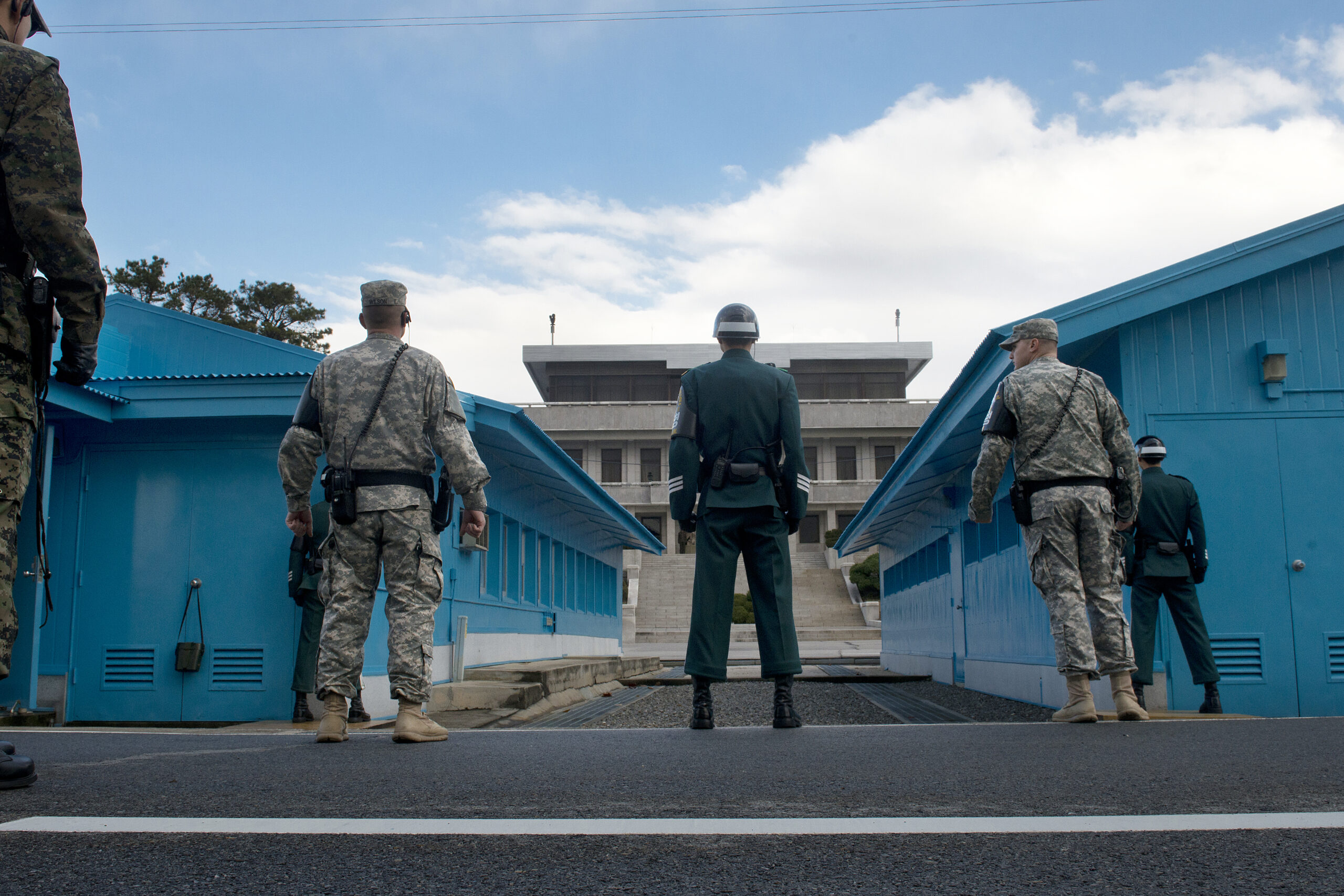
That’s not a good look when Pyongyang’s routinely making threats and South Koreans are increasingly skeptical of their own government’s backbone.
Lee attempted to smooth things over by claiming that the government had monitored the launch “in real time” but needed “further verification” before making any statement. Many observers aren’t buying it.
With North Korea growing bolder and China lurking in the background, perception matters—and Seoul’s hesitation sends the wrong signal.
The tests continue a relentless pace this year, with April’s salvos focused on surface-to-surface Hwasong-11 Ra missiles and cluster bomb–equipped versions of tactical ballistic missiles.
For a regime that routinely struggles to feed its people, North Korea has no trouble pouring every available resource into weapons factories.
Kim has grander ambitions too. Just weeks earlier, he pledged to further expand the nation’s nuclear stockpile and accelerate construction of a 10,000-ton missile cruiser—essentially a floating launch platform for regional intimidation. His instruction to his generals was to fortify national defense “without pause,” vowing to “overtake the world.”
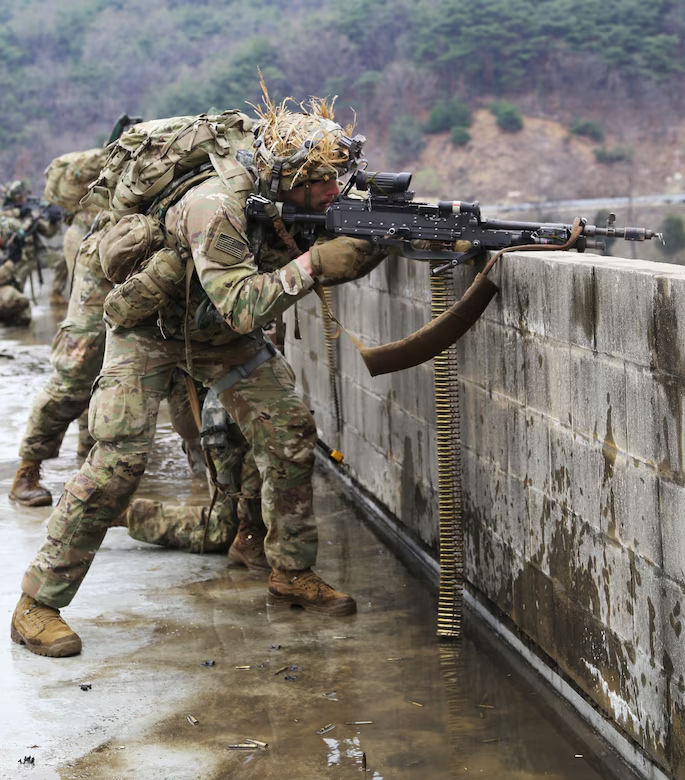
The bluster is typical, but observers note the progress in North Korea’s missile program is real and troubling.
Last week, President Donald Trump signed an extension of the long-standing national emergency over North Korea for another year, calling Pyongyang’s weapons program an “unusual and extraordinary threat” to U.S. national security and global stability.
The decision, filed June 22 and published two days later, ensures continued sanctions and vigilance against the Hermit Kingdom’s war machine.
That emergency order, first issued in 2008, has been renewed annually by successive administrations, but under Trump, it carries renewed clarity: deterrence through strength, not platitudes.
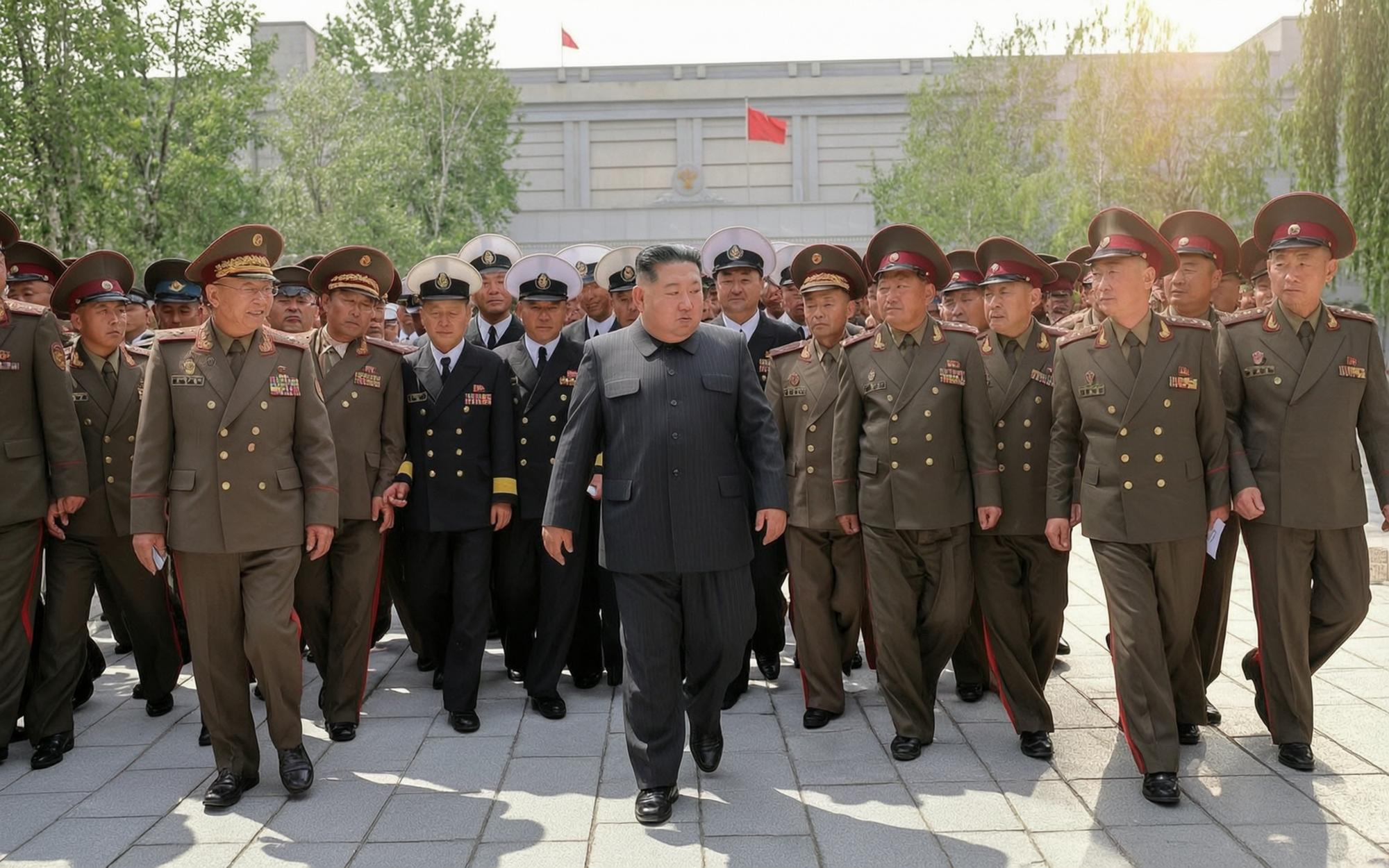
The White House message is clear—peace through power, and no illusions about Pyongyang’s intent.
While the Biden liberals once downplayed North Korean provocations and mumbled about “engagement,” Trump and Secretary of War Pete Hegseth have reaffirmed real deterrence through readiness, missile defense modernization, and joint military drills. North Korea understands muscle, not meekness.
As Pyongyang doubles down on its ambition and Seoul fumbles for composure, the U.S. remains the indispensable backbone of deterrence across the Indo-Pacific. The anniversary of the Korean War reminds the world why eternal vigilance is not optional—it’s survival.
Join the Discussion
COMMENTS POLICY: We have no tolerance for messages of violence, racism, vulgarity, obscenity or other such discourteous behavior. Thank you for contributing to a respectful and useful online dialogue.