The U.S. Navy is rolling out a powerful set of financial incentives aimed at keeping reserve aviators in the cockpit and ready for duty.
Facing a competitive job market and a high demand for combat-ready pilots, the service is offering bonuses of up to $40,000 per year for select officers who commit to staying in uniform. It’s a serious push to reinforce operational strength across key aviation commands that form the backbone of naval air power.
The retention initiative, part of the fiscal 2026 Training and Administration of the Reserve Aviation Department Head Retention program, is designed to target mid-career aviators who bring experience and capability to some of the Navy’s most demanding units.
The program reflects the Navy’s recognition that keeping proven leaders is just as critical as recruiting new talent.
According to a June 26 NAVADMIN, pilots filling department head billets in select aviation roles can now qualify for these lucrative incentives.
The Navy isn’t just handing out bonuses—it’s strategically investing in experienced aviators who have already proven they can handle deployment rotations, operational demands, and leadership responsibilities in reserve aviation squadrons.
The NAVADMIN makes no secret of why this is happening. “A vital part of developing a total force strategy and maintaining combat readiness is to provide appropriate incentives to retain skilled personnel for critical naval aviation enterprise billets,” it stated.
Translation: the Navy knows that if it wants to keep an edge in air dominance, it has to pay to keep the best.
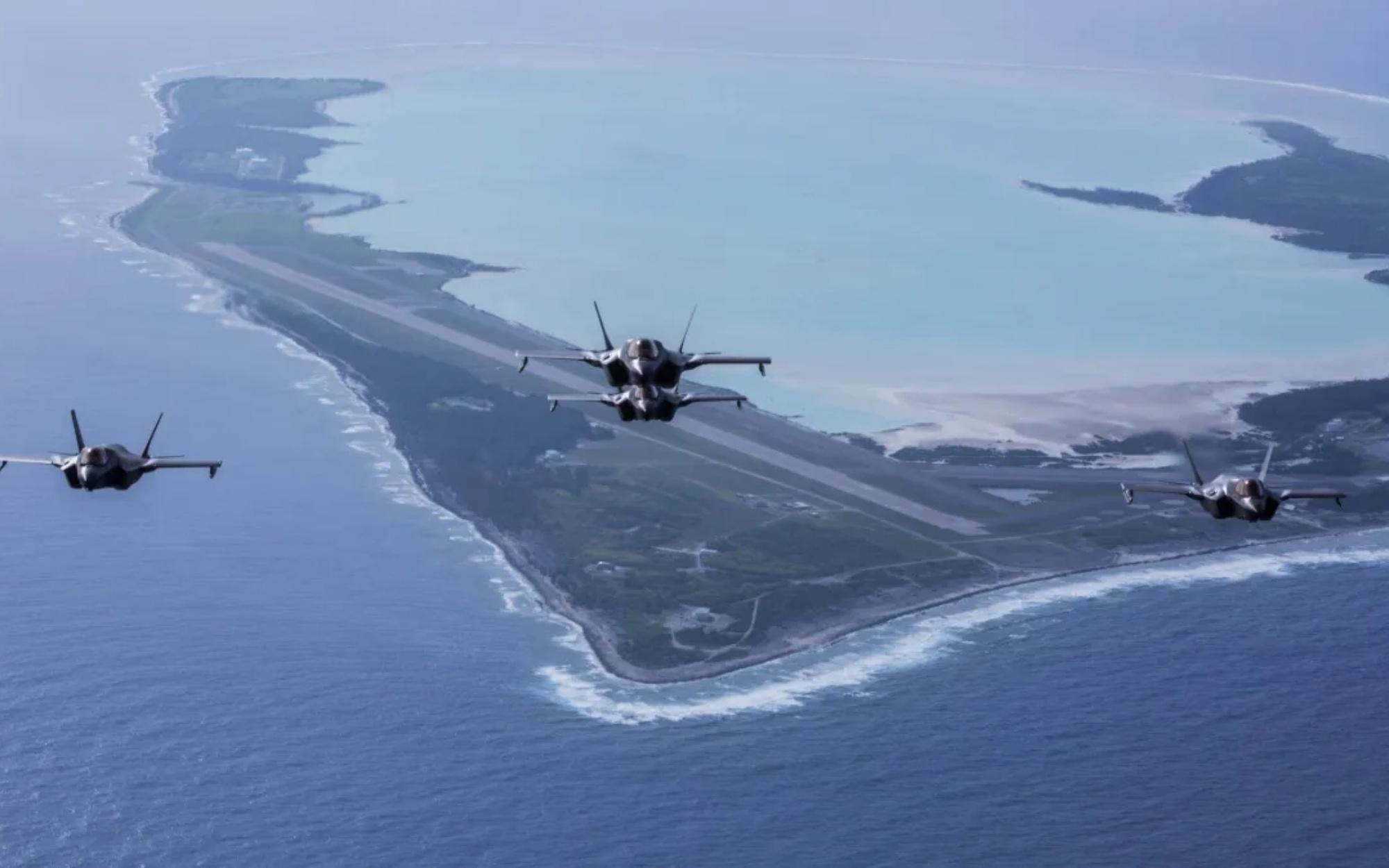
Here’s how the incentives break down. Pilots in helicopter mine countermeasures operations (HM) as well as electronic attack squadrons (VAQ) and airborne command and control squadrons (VAW) can earn the maximum $40,000 annual bonus.
These are complex, high-ticket mission sets involving sophisticated equipment and training, so the payout matches the expertise.
Helicopter sea combat (HSC) pilots can receive $30,000, while those in helicopter maritime strike (HSM) commands are eligible for $35,000. Helicopter training (HT) pilots come in at $25,000, which, while lower, still reinforces the Navy’s focus on retention even in its instructional ranks.
The bonus structure is tiered according to operational demands, risk factors, and mission specialization.
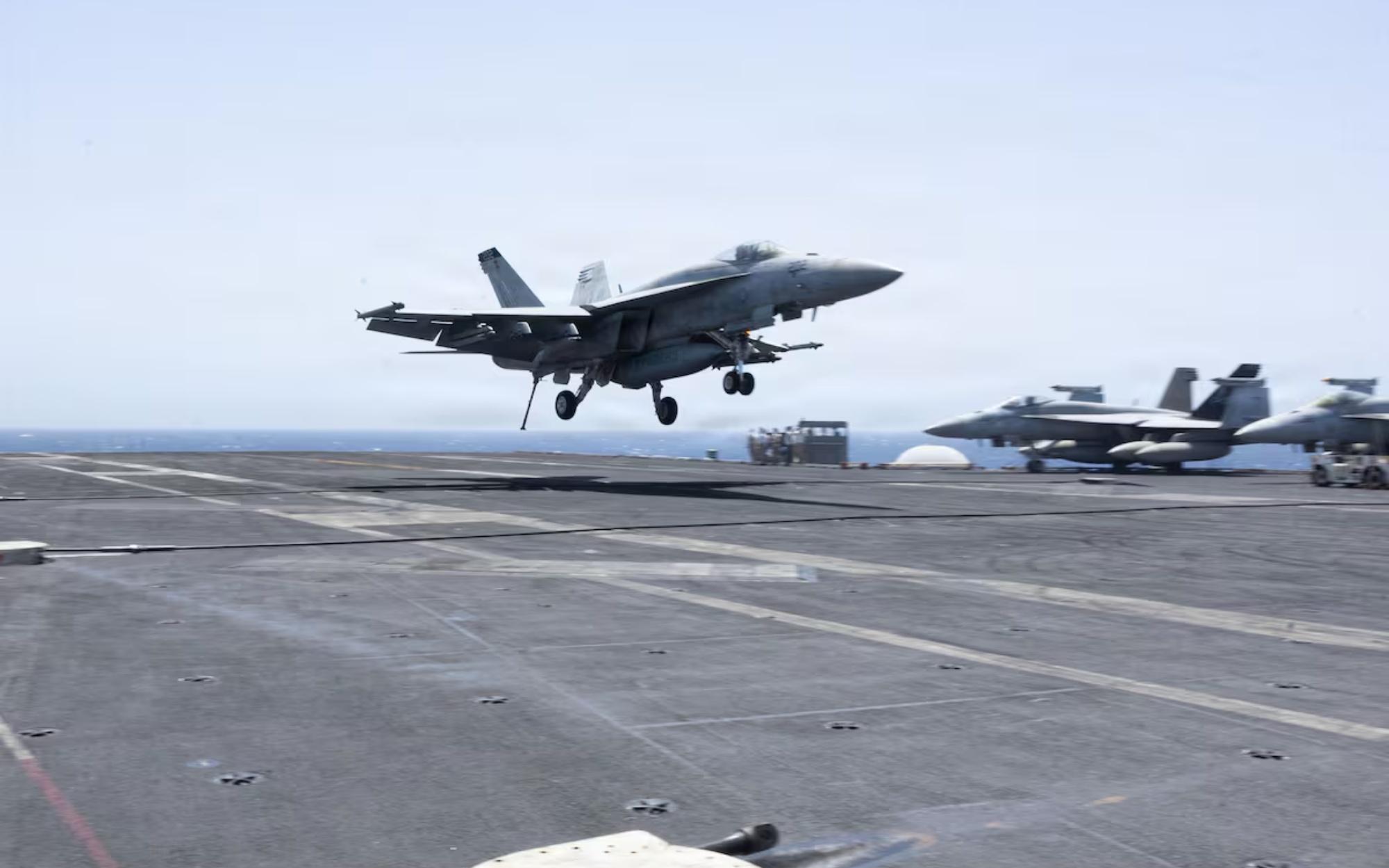
Bonuses also extend to naval flight officers serving in key squadrons, though at slightly lower rates. VAQ naval flight officers are eligible for $40,000, while their VAW counterparts receive $15,000. It’s a system calibrated to sustain balance between pilots and officers who drive the mission behind the stick and radar console.
Other roles reaping substantial retention rewards include fighter squadron composite (VFC) pilots at $40,000, and their naval flight officers at $30,000. Fleet logistics and patrol squadron pilots round out the list with bonuses between $30,000 and $35,000, depending on aircraft type and deployment responsibility.
Those flying jet-powered training aircraft under the VT(JET) designation will receive $40,000, while those operating propeller-powered VT(PROP) jets and their flight officers will also receive the same top-tier figure.
The Navy’s approach combines practicality and strategy. It’s recognizing that the commercial airline industry, flush with openings and pay spikes, continues to compete aggressively for military aviators.
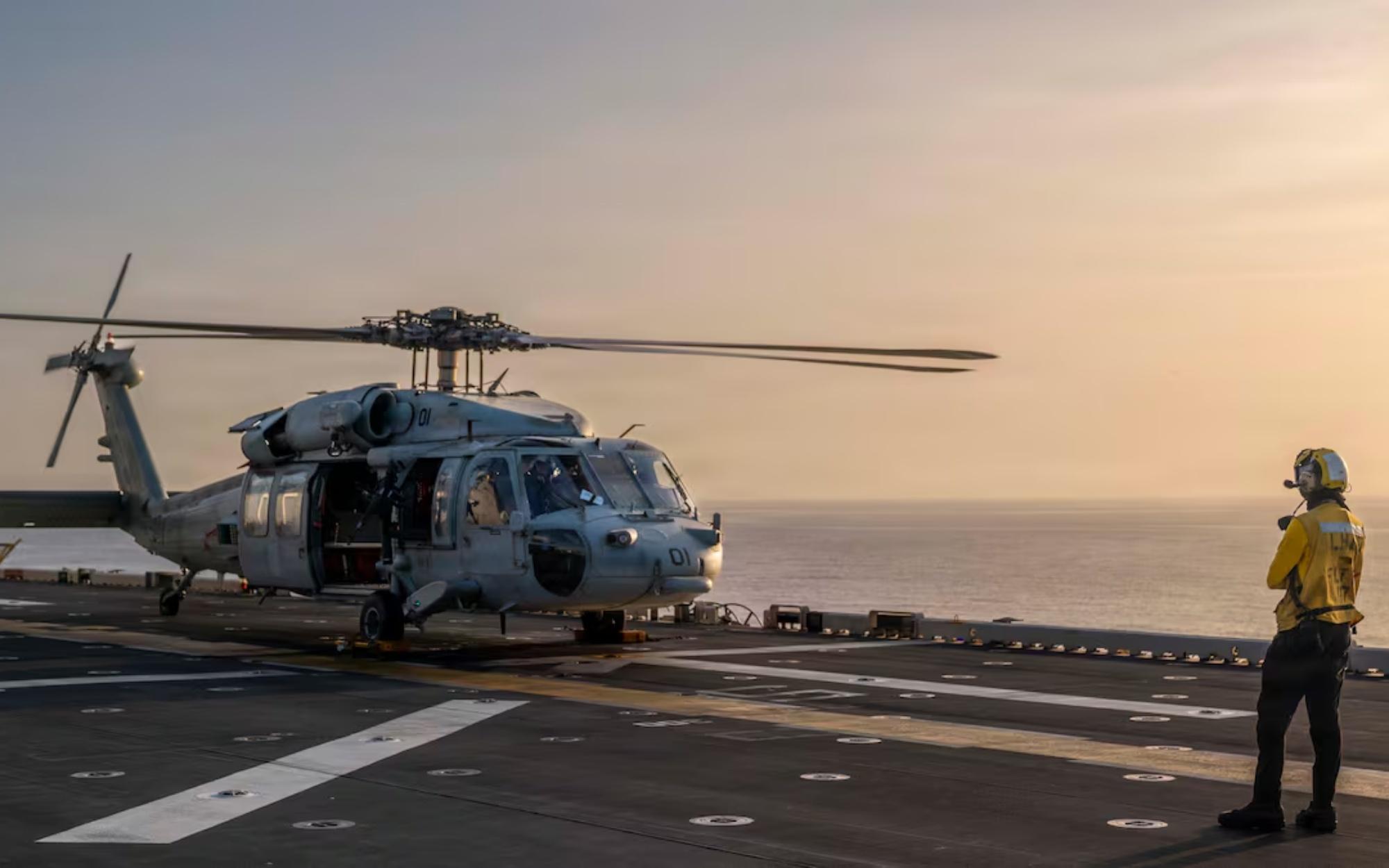
Retention bonuses don’t just reward loyalty—they give the service leverage to counterbalance the civilian market’s lure.
For years, the service branches have wrestled with pilot shortages and retention gaps. Combat operations, family stress, and career uncertainty have driven many skilled aviators out of uniform. By offering up to $40,000 in bonuses, the Navy is sending a clear message: staying in the reserves is worth it, both financially and professionally.
All contracts must be signed and received by the Training and Administration of the Reserve Distribution and Augmentation by August 26 of this year. It’s a tight turnaround, but one likely to push a wave of commitments before the deadline.
Those who sign will lock in their annual bonus while strengthening the Navy’s reserve aviation network for years to come.
This move aligns seamlessly with the total force agenda being championed across the service. Integration between active and reserve components depends on experienced operators who can step in at a moment’s notice.
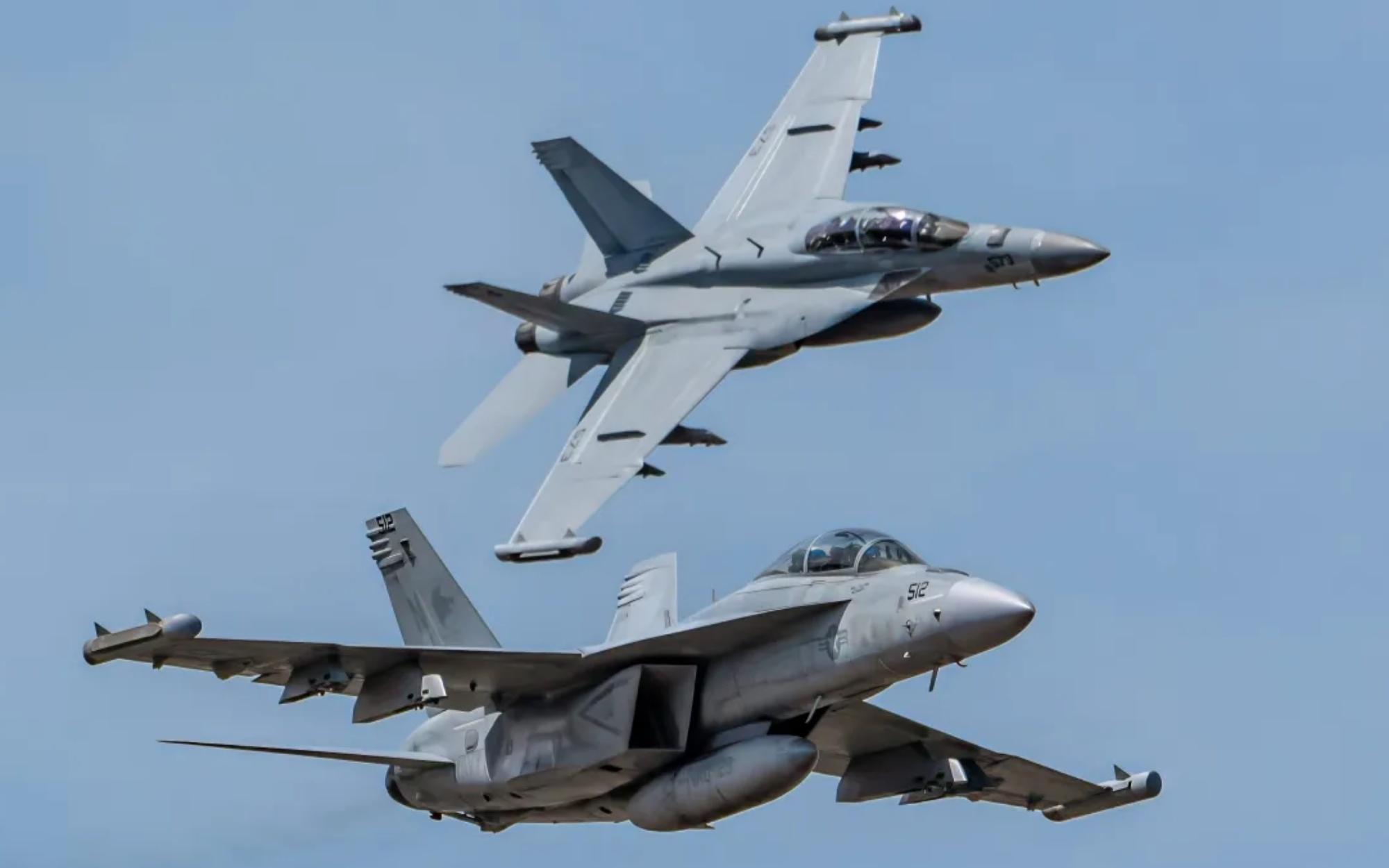
When conflicts flare or humanitarian crises emerge, reserve airmen often bridge the gap between readiness and response.
While critics might question the cost, there’s no question that readiness pays off. Every dollar spent keeping an experienced department head in the cockpit saves countless more in training replacements.
And as America’s Navy faces mounting challenges abroad, from the South China Sea to the Red Sea, retaining talent is nothing short of a national security priority.
The Navy’s new retention program isn’t just about the money—it’s about maintaining a lethal, ready, and motivated air force within the fleet. It’s a smart investment that ensures America’s maritime warriors stay battle-prepared in an increasingly volatile world.
Under the Trump-Hegseth vision of rebuilding military might and restoring pride in service, rewarding commitment and excellence is exactly how you sustain superiority.
Join the Discussion
COMMENTS POLICY: We have no tolerance for messages of violence, racism, vulgarity, obscenity or other such discourteous behavior. Thank you for contributing to a respectful and useful online dialogue.