The United States is preparing to withdraw nearly 200 troops from Nigeria, reducing the American combat presence established earlier this year to hammer Islamic State militants and support Nigerian security forces.
The New York Times first reported the planned drawdown, citing American officials.
It marks the second reduction in two months involving combat forces sent to Nigeria during a broader surge of United States military power.
More than 100 American troops initially deployed during the late winter for a training and advisory mission.
Here's What They're Not Telling You About Your Retirement
Combat forces followed as the Trump administration increased pressure on terrorist networks operating across the large and frequently unstable African nation.
Those troops directly engaged Islamic State militants during operations conducted in the spring and early summer.
After reporting successful results, United States Africa Command announced that most combat personnel involved in the mission would leave Nigeria.
“The Nigeria-U.S. partnership is ongoing and remains strong, focused on disrupting and eliminating shared security threats.
This Could Be the Most Important Video Gun Owners Watch All Year
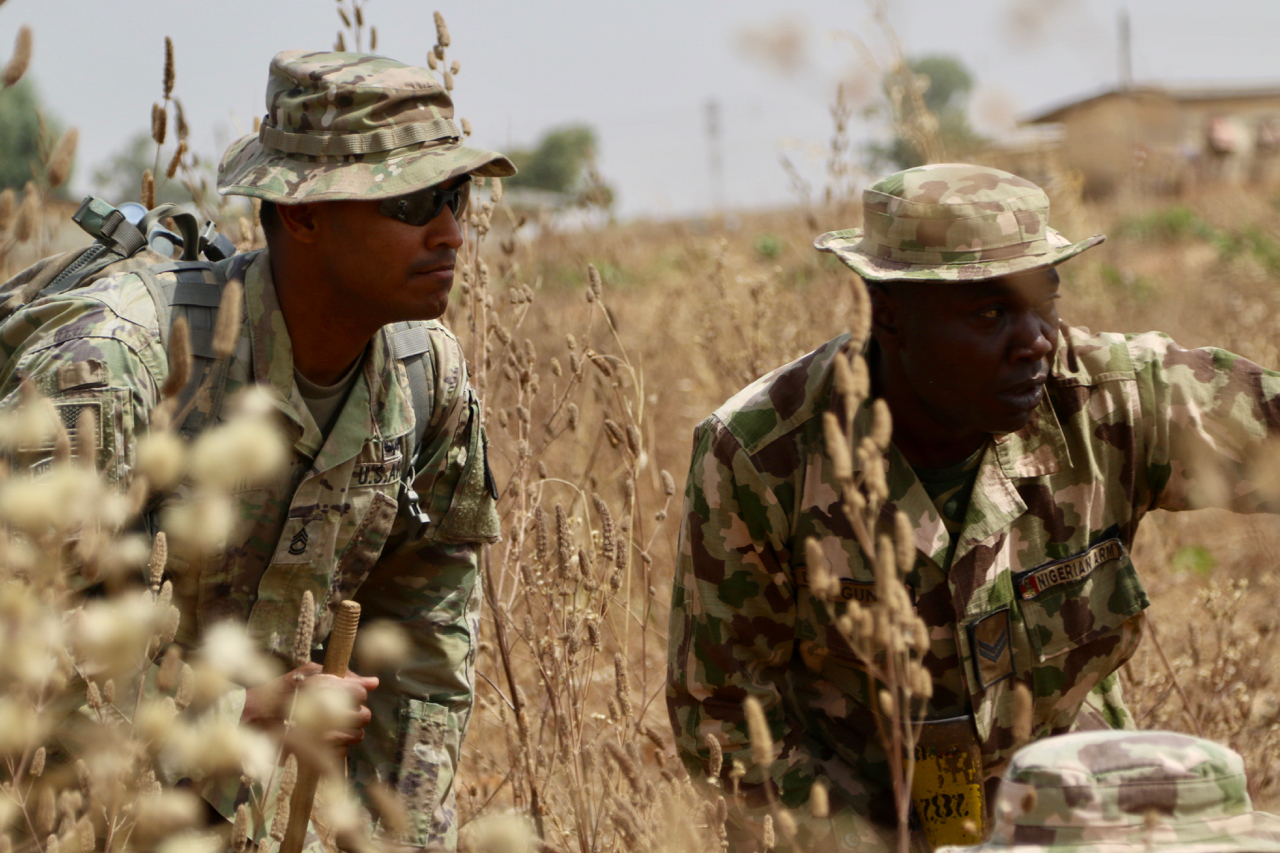
The successful joint operations with Nigeria dealt severe damage to the ISIS network, disrupting its global operations,” an AFRICOM spokesperson said in a statement to Task & Purpose.
“At the invitation of the Government of Nigeria, we continue to have forces in Nigeria addressing shared security threats.
The number of personnel will fluctuate as required to meet mission requirements.”
The current withdrawal raises questions about why American troop levels apparently remained near the same scale after AFRICOM announced an earlier reduction in July.
Officials have not publicly explained what operational requirements delayed or altered that initial drawdown.
The removal of additional combat personnel does not mean the terrorist threat has disappeared.
Armed militants continue attacking civilians and military installations in northern Nigeria despite repeated counterterrorism missions by Nigerian and American forces.
The Trump administration began threatening military action last fall after accusing Nigeria’s government of tolerating violence against Christians.
Nigerian officials rejected the claim that the bloodshed was purely sectarian, arguing that militants attacked people regardless of religion, although they acknowledged the country’s persistent security crisis.
On Christmas, the United States Navy launched missiles into northwestern Nigeria’s Sokoto state, striking militant targets.
That operation signaled that Washington was no longer content to watch terrorist groups expand while local forces struggled to contain them.
Two months later, American officials announced that more than 100 troops would deploy to assist Nigeria’s armed forces with counterterrorism training.
Combat personnel, including members of SEAL Team 6, arrived later in the spring and conducted missions against Islamic State fighters around the Lake Chad region.
Those operations culminated in a series of May attacks against Islamic State positions.
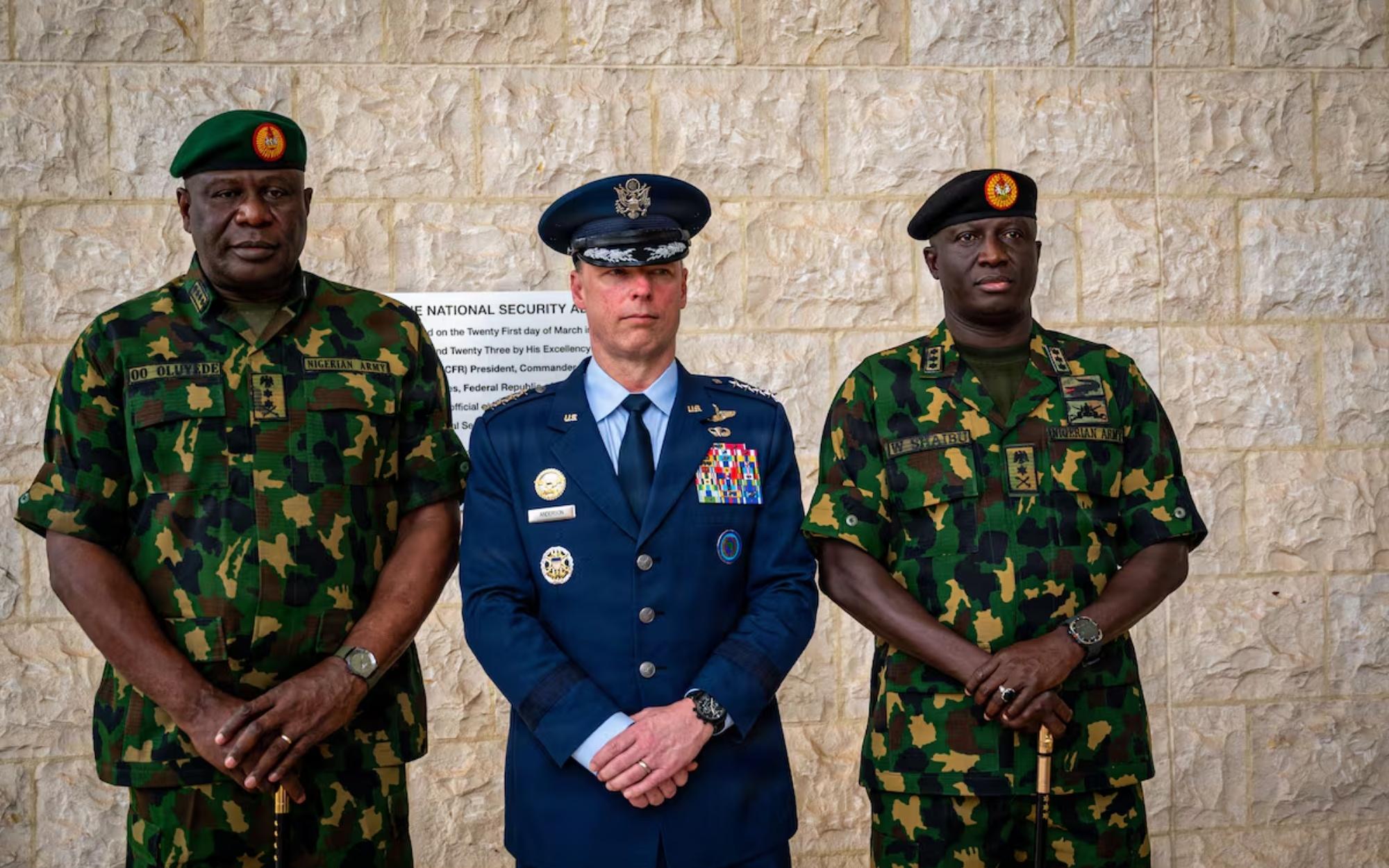
The strikes killed Abu Bilal al Minuki, identified as the terrorist organization’s second in command, and inflicted major damage on the wider network.
In early July, AFRICOM commander Gen. Dagvin Anderson said the mission had been completed and most participating American service members had withdrawn.
The newly reported reduction appears to continue that process while retaining a smaller force for missions that remain necessary.
American troops staying in Nigeria will focus primarily on training the country’s military and sharing intelligence.
That arrangement gives Nigerian forces access to American expertise while reducing the number of United States personnel directly involved in combat.
The more detailed training effort has concentrated on preparing Nigerian troops for modern battlefield conditions.
Members of the Army’s 503rd Parachute Infantry Regiment, 173rd Mobile Brigade Combat Team worked with Nigerian personnel in the country’s northeast during the spring.
According to recently released information from AFRICOM, American instructors covered casualty care, explosive ordnance disposal, small unit tactics and drone operations.
These are practical skills Nigerian troops need as militants increasingly use modern weapons, explosives and unmanned systems.
The drawdown reflects a shift in force posture rather than the end of American involvement.
AFRICOM’s statement makes clear that troop numbers can rise or fall depending on the mission, the terrorist threat and requests from Nigeria’s government.
President Trump’s willingness to use military force produced measurable results, including the elimination of a senior Islamic State commander.
Now, with combat troops being reduced, Nigerian forces will be expected to apply that training and carry more of the burden against militants terrorizing their own country.
Are you feeling overwhelmed or hopeless right now? Have you been withdrawing from people or activities you usually enjoy? Are you having thoughts about hurting yourself, or feeling like things will never improve?
You do not have to handle those feelings alone. Support is available, and talking to someone can make a difference. You can reach out to the 988 Suicide & Crisis Lifeline by calling or texting 988, or by chatting online at 988lifeline.org. Trained counselors are available 24 hours a day to listen and help.
If you believe someone is in immediate danger, call emergency services right away. Even a small step, like reaching out to a trusted friend, family member, or professional, can help create a path forward.
Join the Discussion
COMMENTS POLICY: We have no tolerance for messages of violence, racism, vulgarity, obscenity or other such discourteous behavior. Thank you for contributing to a respectful and useful online dialogue.