In a significant realignment of its military priorities, the Pentagon has shifted responsibility for Greenland from U.S. European Command (EUCOM) to U.S. Northern Command (NORTHCOM), a move that underscores the Trump administration's intensifying interest in the Arctic and its desire to assert greater influence over the Danish territory.
Announced Tuesday, the change is part of a broader review of the Pentagon’s Unified Command Plan—a strategic blueprint that divides the globe into different military areas of responsibility and dictates the roles and jurisdictions of U.S. combatant commands.
Though no other changes to the plan were revealed, this particular adjustment is being described as a major recalibration of the U.S. defense posture in the High North.
“[This] change will strengthen the Joint Force’s ability to defend the U.S. homeland, contributing to a more robust defense of the western hemisphere and deepening relationships with Arctic allies and partners,” the Pentagon’s chief spokesperson wrote in a statement.
Here's What They're Not Telling You About Your Retirement
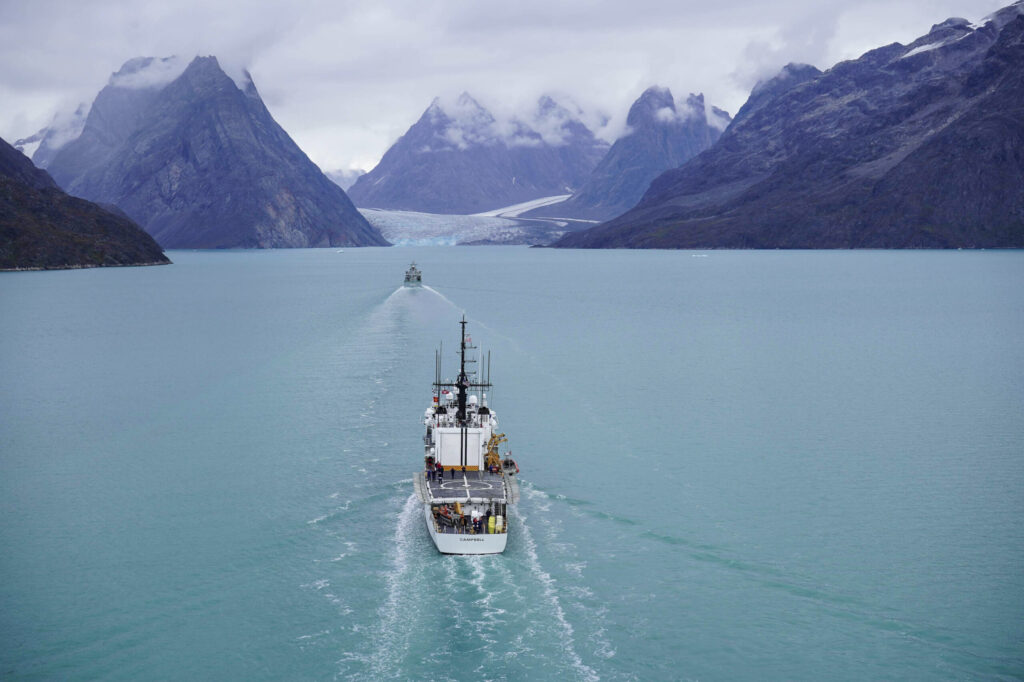
The decision to align Greenland with NORTHCOM rather than EUCOM reflects a growing U.S. focus on the Arctic as a strategically vital region.
The move comes amid heightened geopolitical interest in the area due to melting ice, emerging shipping lanes, and resource competition among great powers, including Russia and China.
“Aligning Greenland with NORTHCOM will mean that it is treated not as an outpost, but as a cornerstone of U.S. security posture in the High North,” said Iris Ferguson, a former Pentagon official who focused on Arctic policy, in an email.
This Could Be the Most Important Video Gun Owners Watch All Year
Her comment signals that the U.S. no longer sees Greenland as a peripheral concern, but as central to its homeland defense strategy.
However, Ferguson also sounded a note of caution, warning that the move could strain transatlantic relations.
“Denmark shouldn’t be sidelined amid the realignment,” she added, emphasizing the importance of maintaining strong ties with European allies even as the U.S. asserts a more dominant role in Arctic affairs.
While the Pentagon's announcement portrayed the shift in technical, defense-oriented terms, political undertones were impossible to ignore.
President Donald Trump has made no secret of his desire for the United States to control Greenland. Since returning to office, Trump has revisited the idea with increasing frequency.
“One way or the other, we’re going to get it,” the president declared during a March address to Congress, fueling speculation and unease among U.S. allies.
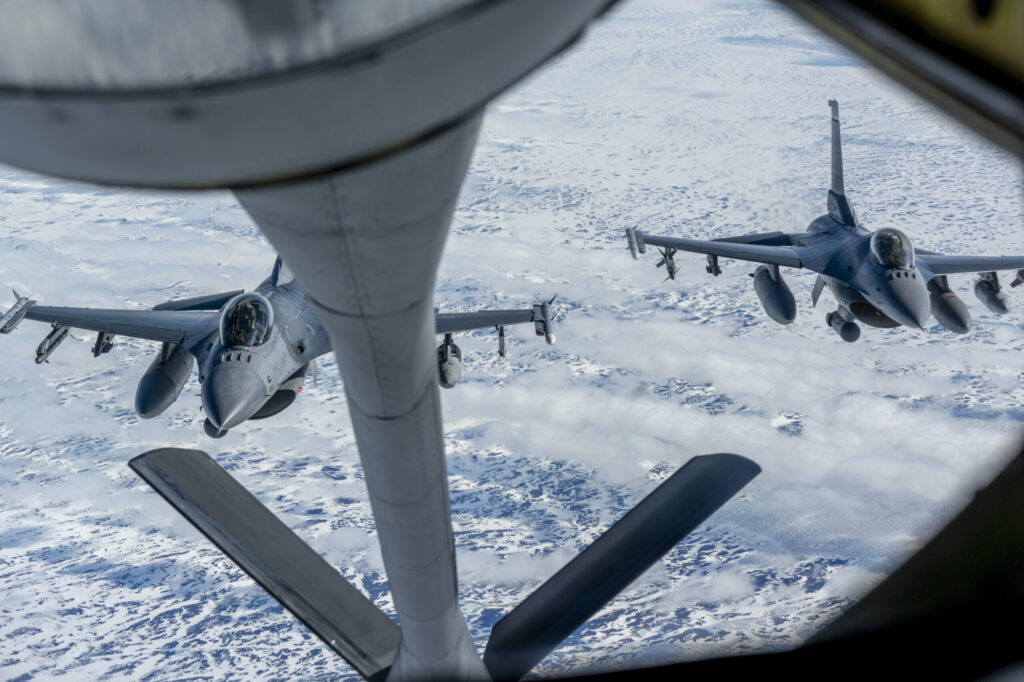
To date, the Pentagon has stopped short of advocating any annexation. The official announcement did not mention any intent to claim the territory.
President Trump, for his part, did not escalate his rhetoric further on Tuesday, which may have reassured European officials who had been bracing for a more provocative statement.
Despite that, uncertainty lingers. Last week, Defense Secretary Pete Hegseth appeared before the House Armed Services Committee and refused to dismiss the idea of using military force to take Greenland, even after a fellow Republican encouraged him to clarify earlier ambiguous comments.
“I think the American people would want the Pentagon to have plans for anything,” Hegseth said, leaving open the possibility that the U.S. military has contingency plans involving Greenland.
Democrats were quick to express disapproval. Rep. Adam Smith, D-Wash., the ranking member of the committee, criticized the implication of a potential invasion.
“I don’t think the American people voted for President Trump because they were hoping we would invade Greenland,” he said.
European officials, for their part, had been anticipating this geographic shift in military responsibility for weeks.
Several media outlets had already reported the impending change. Their chief concern was not the shift itself—given Greenland’s geographic proximity to the U.S.—but how the change would be communicated.
The manner of the announcement and the broader context of Trump’s ambitions for the territory were seen as key diplomatic flashpoints.

Though Denmark retains sovereignty over Greenland, the island is a semi-autonomous region with increasing strategic relevance.
The U.S. has long maintained a military presence there through Thule Air Base, but this latest shift appears to cement a larger and more centralized role for Greenland in America’s national defense calculus.
For now, the decision to fold Greenland into NORTHCOM's area of responsibility signals a dramatic change in how the Pentagon and the White House view the Arctic—not as a remote frontier, but as a vital theater for national security in an era of great-power competition.
Join the Discussion
COMMENTS POLICY: We have no tolerance for messages of violence, racism, vulgarity, obscenity or other such discourteous behavior. Thank you for contributing to a respectful and useful online dialogue.