A powerful shift in U.S. military policy is underway in South Korea, reinforcing America’s commitment to stability and strength in the Indo-Pacific—thanks in part to the kind of strategic vision long championed by President Donald J. Trump and his choice for Secretary of War, Pete Hegseth.
Under a new Pentagon directive, tours for unaccompanied U.S. service members assigned to South Korea will be extended from 12 months to 24 months, beginning October 1, 2025.
U.S. Forces Korea officials praised the change as a decisive move to enhance readiness, improve force stability, and support service members and their families.
It’s a policy shift rooted in conservative values: operational efficiency, fiscal responsibility, and an unwavering dedication to national defense.
Here's What They're Not Telling You About Your Retirement
MORE NEWS: America’s Battle-Tested Amphibious Assault Vehicles Find New Life Guarding Allies in the Black Sea
“This will obviously save a lot of money, but that’s not the driving factor here,” said Air Force Col. William Parker, director of personnel for U.S. Forces Korea.
“It’s hard to quantify the savings and benefits from a readiness and team cohesion perspective. It’s a challenge for our commanders here to have constant turnover of their teams.”
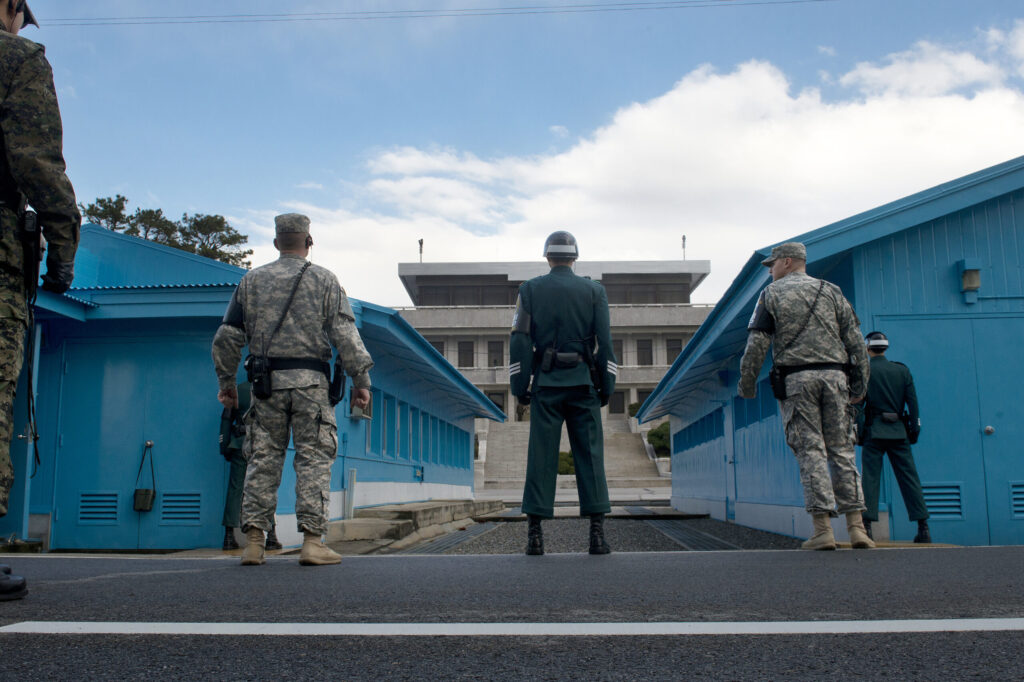
Parker estimates the directive will save roughly $90 million per year, aligning closely with the Department of War’s broader efforts to reduce the frequency of Permanent Change of Station (PCS) moves—an initiative with real benefits for taxpayers and military families alike.
This Could Be the Most Important Video Gun Owners Watch All Year
These are the kind of smart, commonsense reforms Hegseth has consistently advocated: strong defense spending where it matters, without the bureaucratic waste.
And the policy is about more than dollars—it’s about mission success and family stability. With China, Russia, and North Korea presenting constant strategic threats, a steady, experienced U.S. presence on the Korean peninsula is more critical than ever.
“We really need the continuity of our service members to provide that regional expertise here, to develop and retain that,” Parker explained.
This long-discussed change brings South Korea in line with tour norms in other key overseas locations like Germany and Japan. Under the new “3-2-1 Tour Normalization Policy,” accompanied tours will last 36 months, and unaccompanied tours will be 24 months.
MORE NEWS: Army Orders Social Media Blackout Across Unit Specific Accounts, Centralizing Social Media
Twelve-month assignments will now only be granted as exceptions when requests to bring dependents cannot be supported due to infrastructure limitations.
“There’s no desire to separate service members who have dependents from their family members any longer than we have to,” said Parker, citing school and medical capacity—not housing—as the primary obstacles.
At installations like Camp Humphreys, which boasts a brand-new hospital, more medical staff are needed to accommodate the increase in families.

This focus on families speaks to the America First ethos that prioritizes service member well-being. The Trump-Hegseth vision is one that balances hard power with compassion—a commitment to ensuring that those who defend our freedoms can do so without sacrificing their own families' quality of life.
The improvements are already being felt on the ground. On July 1, many troops saw a welcome increase in their paychecks, thanks to the first successful reset of the Cost of Living Allowance index in over nine years.
“That amounts to an increase for about three-fourths of the personnel on the peninsula, with some more remote places seeing significant increases,” Parker noted.
South Korea, according to Parker, is now fully prepared for these longer assignments.
The Republic of Korea has invested heavily in infrastructure, and 80% of the facilities at Camp Humphreys are less than a decade old.
This includes a new commissary, medical center, and state-of-the-art barracks—with more under construction.
Efforts are also underway to grow the number of command-sponsored families able to live in South Korea. From the end of fiscal 2024 to the start of fiscal 2026, officials expect to increase that capacity by 27%, bringing the total from roughly 5,700 families to 6,500.

Parker emphasized the importance of family cohesion and even noted the benefit to military spouses seeking employment. “A two-year tour is a relatively short period of time to find and maintain employment,” he said.
“So some of the feedback we’ve received is that this will make spouses more employable.”
The directive will not affect service members already stationed in South Korea unless they choose to voluntarily extend their tour.
Each service branch will tailor its implementation, including any updates to incentive pay.
“I feel strongly this is the right thing,” Parker concluded.
“With every change, there will be people that have concerns or questions. There may be some challenges that we have to overcome, but we won’t know that until we drive the change. We think the timing’s right. The quality of life is fantastic here both on and off post. The mission is more important than ever in this region, so it’s the right thing.”
This is the kind of strategic shift that underscores President Trump’s America First foreign policy: prioritize readiness, reduce waste, support families, and project strength.
And with Pete Hegseth—an unapologetic advocate for our military heroes—at the helm of the Department of War, policies like this are more than just bureaucratic adjustments; they’re a reaffirmation of American leadership on the world stage.
Join the Discussion
COMMENTS POLICY: We have no tolerance for messages of violence, racism, vulgarity, obscenity or other such discourteous behavior. Thank you for contributing to a respectful and useful online dialogue.