As global tensions rise and the Indo-Pacific becomes the world’s most volatile military hotspot, strong national defense leadership is stepping up to confront the challenges head-on.
The U.S. Army’s top civilian, Army Secretary Dan Driscoll, is taking decisive action to secure Hawaii’s essential Pohakuloa Training Area, a live-fire range critical to maintaining America’s combat readiness in the Pacific.
Backed by the patriotic vision of a revitalized Department of War under Secretary Pete Hegseth’s America First doctrine, Driscoll made it clear during his visit to Hawaii that training grounds like Pohakuloa are non-negotiable.
The Army's lease on this vital land expires in 2029—but Driscoll isn’t waiting for the clock to run out.
Here's What They're Not Telling You About Your Retirement
“The world is changing. We all know this. The threat in Indo-Pacom is more real than ever before,” Driscoll said in no uncertain terms, referencing the U.S. Indo-Pacific Command which oversees the increasingly critical region spanning Asia and the Pacific.
With Beijing flexing its military muscle and openly threatening Taiwan, the U.S. must remain fully prepared—and Hawaii is a strategic launchpad for American forces.
Driscoll met with Hawaii Governor Josh Green earlier this week and emphasized the urgency of extending the lease long before it expires. “This land matters to the United States Army.
We have got to be able to train here,” he declared, adding that he’s pushing for an “aggressive timeline” to wrap up negotiations in the coming months—not years down the line.
This Could Be the Most Important Video Gun Owners Watch All Year

This strong stance reflects a new era of national defense where strength is not just projected—it’s built at home. With Secretary Hegseth and President Trump championing peace through strength, the administration understands that military readiness isn’t just about hardware—it’s about terrain, training, and proximity.
Pohakuloa sits more than 6,000 feet above sea level on a rocky plateau between Hawaii’s iconic volcanoes, Mauna Kea and Mauna Loa. It’s the only large-scale range in the state capable of accommodating battalion- and brigade-level live-fire training. Other ranges simply don’t meet the strategic need.
Driscoll’s visit came amid vocal opposition from activists and Native Hawaiian groups, who testified in May against renewing the lease. Some cited the military’s past environmental missteps and called for the land to be returned. However, Driscoll acknowledged these concerns and pledged to work collaboratively with local leaders.
“What we are hoping to do is figure out ways where we, the Army, can continue to contribute to a community that has given so much to our Army and so much to our nation, while at the same time acknowledging the very real world threat that we are facing in the Indo-Pacific,” he said.
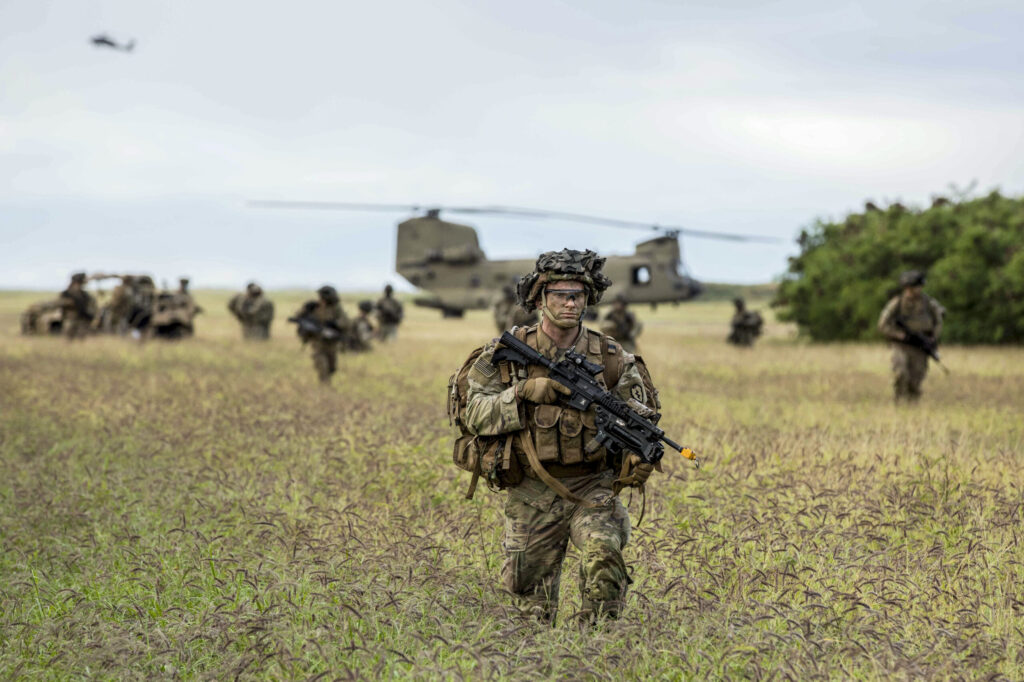
This is the kind of leadership the American people need—resolute on defense, responsive to the community, and ready to act. Driscoll even asked the governor’s office for a list of ways the Army can tangibly help local communities, signaling a commitment to both national security and Hawaiian wellbeing.
Governor Green confirmed that he and Driscoll had “spent significant time” discussing the future of military leases. “He now better understands how important it is to us to work together for the good of Hawaii’s people and our land, while we all work together [to] protect our country,” Green said.
Still, not all stakeholders are convinced. Healani Sonoda-Pale of Ka Lahui Hawaii criticized the Army’s approach, stating, “There shouldn’t be any backdoor discussions regarding these leases.”
However, the Army appears transparent in its intent to involve state officials and Congress while ensuring public safety and strategic readiness remain top priorities.
Driscoll’s tour of the Pacific also includes stops in Australia and the Philippines, reinforcing the Pentagon’s broader commitment to countering Chinese aggression and building strong alliances in the region.
In a clear display of America’s military capabilities, Driscoll addressed reporters in front of two HIMARS rocket launchers—the same long-range precision systems that have helped Ukrainian forces repel Russian advances.
MORE NEWS: Army Abruptly Scraps Deployment of 4,000 Troops to Poland Amid Chaos and Budget Shortfall
Hawaii’s 25th Infantry Division is set to receive 16 HIMARS units, enhancing its ability to defend American interests across the Pacific.
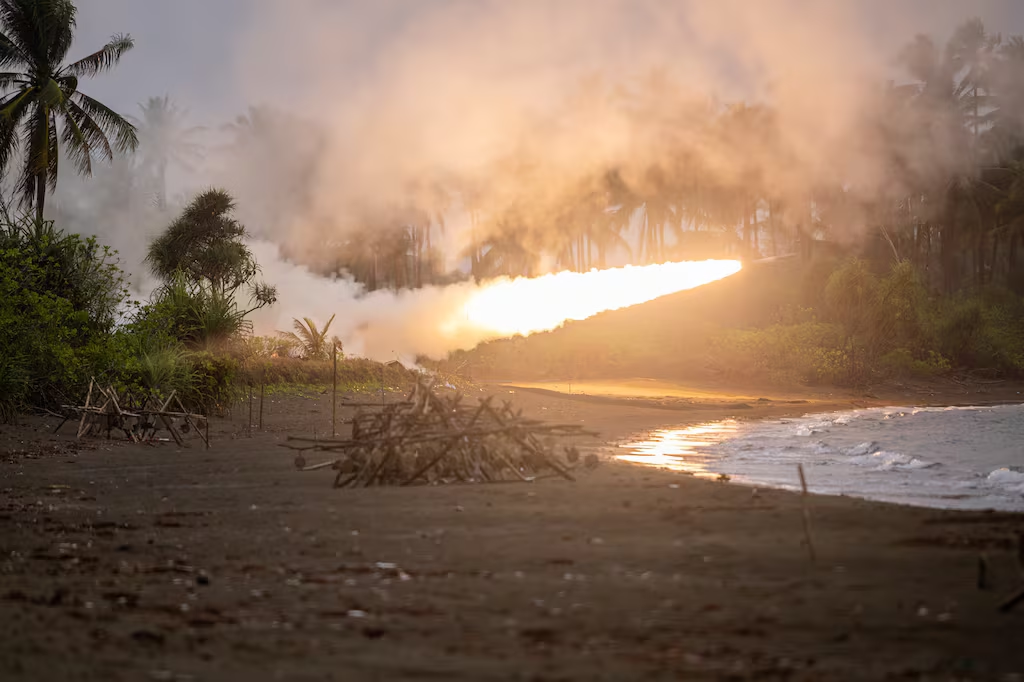
At a time when America’s adversaries are watching our every move, decisive leadership and forward-looking strategy are essential. The Trump-Hegseth defense vision is clear: America must train where it fights—and that means keeping Hawaii’s Pohakuloa Training Area mission-ready.
The stakes couldn’t be higher. National defense, community support, and strategic positioning all converge at Pohakuloa. With bold leaders at the helm and renewed military resolve, the U.S. is sending a clear message: we are ready, we are prepared, and we will not back down.
Join the Discussion
COMMENTS POLICY: We have no tolerance for messages of violence, racism, vulgarity, obscenity or other such discourteous behavior. Thank you for contributing to a respectful and useful online dialogue.