In a fresh display of rising tensions in the region, an Iranian navy helicopter confronted a U.S. Navy warship in the Gulf of Oman on Wednesday, according to a report from Iranian state television.
The incident reportedly occurred when the U.S. destroyer, identified as the USS Fitzgerald, approached Iranian territorial waters around 10 a.m. local time.
This marks the first publicly reported direct encounter between Iranian and U.S. forces since the recent 12-day conflict between Iran and Israel, during which U.S. B-52 bombers participated in coordinated strikes on Iranian nuclear facilities.
While the U.S. has maintained that its involvement in the conflict was strategic and measured, this latest naval standoff signals that military friction in the region may not be easing.
Here's What They're Not Telling You About Your Retirement
According to Iranian state media, Iranian forces deployed a military helicopter to confront the approaching U.S. vessel. The aircraft reportedly flew directly over the Fitzgerald and issued a firm warning to maintain distance from Iranian territorial waters.
In what was described as a “tense exchange,” the U.S. warship allegedly responded by threatening to fire on the Iranian helicopter if it did not leave the vicinity.
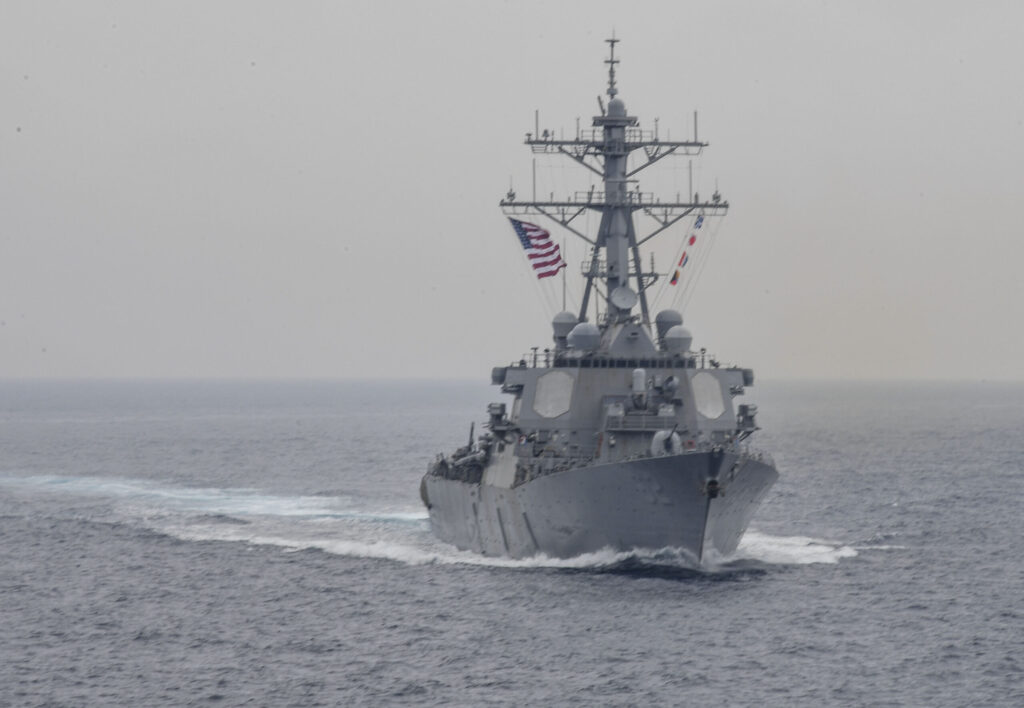
SEA OF JAPAN (June 1, 2017) Arleigh Burke-class guided-missile destroyer USS Fitzgerald (DDG 62) sails in formation during a bilateral exercise. (U.S. Navy photo by Mass Communication Specialist 3rd Class Kelsey L. Adams/Released)
The confrontation stopped short of escalation, but the broadcast emphasized the gravity of the standoff.
This Could Be the Most Important Video Gun Owners Watch All Year
Iranian state TV reported that “Iranian air defense forces announced that the helicopter was under the full protection of Iran’s integrated air defense system,” effectively signaling Tehran’s preparedness to retaliate against any potential attack on its aircraft.
Following the warning and aerial standoff, the Fitzgerald eventually “retreated southward,” the Iranian report said, suggesting that the U.S. vessel backed down from the encounter under pressure from Iran’s military response.
As of Wednesday evening, the U.S. Navy had not issued a formal statement about the incident.
Inquiries were directed to U.S. Central Command (CENTCOM), which stated it would provide a response either later Wednesday or by early Thursday.
The Pentagon and White House have also remained quiet on the matter, though analysts expect clarification as diplomatic and military officials assess the implications of the interaction.
Details remain scarce on exactly how close the Fitzgerald came to Iran’s maritime boundary. Under international law, territorial waters extend 12 nautical miles from a nation's coastline.
However, the Gulf of Oman, a strategically critical body of water leading into the Strait of Hormuz, is a frequent hotspot for military and naval tensions, particularly given the heavy volume of oil and cargo traffic that passes through it daily.
Encounters between Iranian and American forces are not uncommon in the region, but they rarely escalate into direct threats of engagement. This episode stands out due to the reported verbal exchange and its proximity to recent hostilities involving Iran.
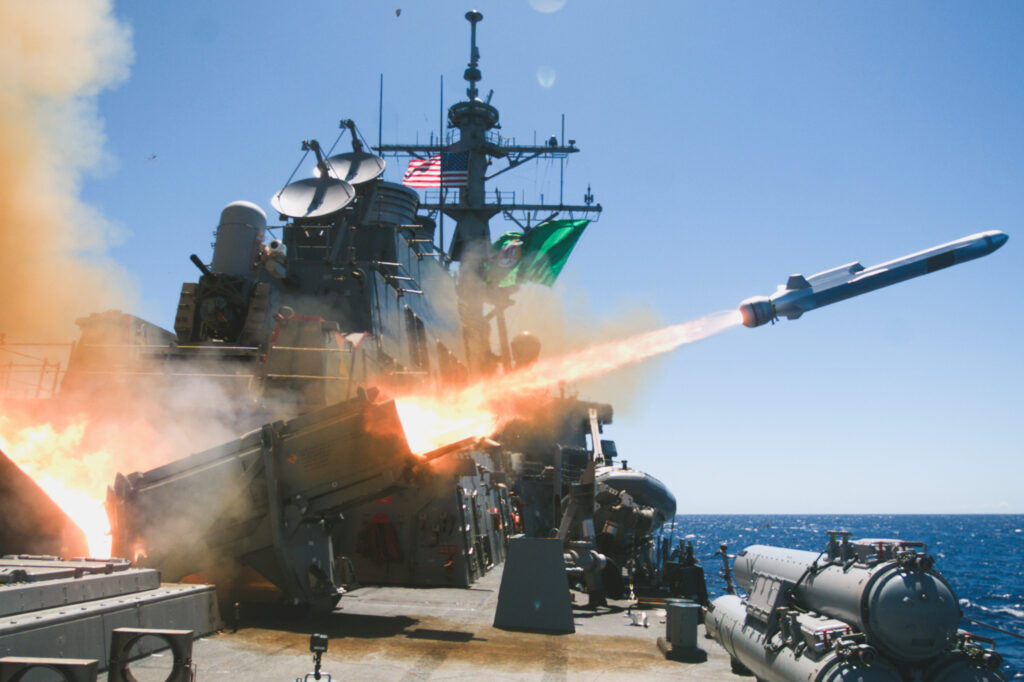
It also reflects the broader volatility in U.S.-Iran relations and the fragile balance of military power in one of the world’s most geopolitically sensitive maritime corridors.
Military analysts suggest that Iran’s decision to publicize the confrontation may serve dual purposes: asserting its sovereignty and signaling domestic strength, while also warning adversaries that Iranian forces will respond forcefully to perceived provocations.
“This kind of messaging is as much for internal morale as it is for external deterrence,” noted a regional security expert familiar with naval operations in the area.
Whether the Fitzgerald's actions were routine naval patrol maneuvers or a deliberate show of presence remains unclear, but the incident underscores the risks of miscalculation when heavily armed forces operate in close quarters.
As international observers await official confirmation and context from the U.S., the episode raises fresh questions about how recent escalations in the Middle East might ripple into broader U.S.-Iran relations—and potentially disrupt maritime stability in the region.
Join the Discussion
COMMENTS POLICY: We have no tolerance for messages of violence, racism, vulgarity, obscenity or other such discourteous behavior. Thank you for contributing to a respectful and useful online dialogue.