They say your body is a temple — but for service members, it’s often a temple inked with eagles, skulls, and unit insignia, each piece of art telling a story of pride, pain, and purpose.
Military tattoos have long served as rites of passage, personal journals, and visible symbols of identity and brotherhood.
From the Secretary of War to the common enlisted man or woman, tattoos have played a vital role in military culture.

Here's What They're Not Telling You About Your Retirement
From classic World War II anchor tattoos to the ever-popular Punisher skulls seen today, the history of military ink is as complex and dynamic as the service members who wear it.
The Roots of Military Ink
The deep connection between the armed forces and tattoos stretches back centuries.
British and American sailors in the 18th and 19th centuries often collected tattoos as mementos from exotic ports or protective talismans against the dangers of the sea.
This Could Be the Most Important Video Gun Owners Watch All Year

But it wasn’t until World War II that tattoos became truly enmeshed with American military culture.
At the heart of this movement was Norman Collins, better known as “Sailor Jerry.” From his tattoo shop in Honolulu during WWII, Collins inked thousands of young servicemen heading to or returning from combat. His flash art — bold designs of pin-up girls, eagles, snakes, and banners that read “Death Before Dishonor” — became iconic representations of the era’s military tattoo aesthetic.

As Inked Magazine notes, “His clients were young servicemen, mostly Navy, on their way to or from battle, often getting tattoos to commemorate their experience or as symbols of bravery, loyalty, and patriotism.”
Today, Sailor Jerry’s legacy lives on not only in ink but also in branding, from rum bottles to licensed merchandise.

Vietnam: Grim Symbols for Grim Times
With the shift from WWII’s patriotic fervor to the chaos of the Vietnam War, the tone of military tattoos shifted as well. Tattoos from the Vietnam era often reflected the darker, more disillusioned mood surrounding the war.
Images like grim reapers, snakes, and menacing skulls appeared frequently, sometimes accompanied by slogans such as “Kill or Be Killed” or “Born to Kill.”
Many of these tattoos weren’t even done in professional shops. The “barracks tattoo” became infamous — a DIY effort using a needle, thread, and little regard for hygiene.

Despite the makeshift conditions, or perhaps because of them, these tattoos often carried raw emotion and a rebellious edge.
By the 1970s and 1980s, tattoos had become both a symbol of military pride and a badge of defiance.
The Global War on Terror and the Rise of the Punisher Skull
After the 9/11 attacks, military tattoo culture surged once more. For many post-9/11 veterans, tattoos served as a cathartic form of expression and a way to honor lost comrades.
Popular motifs included dog tags, battlefield crosses, KIA dates, and American flags — most often tattooed across the chest, ribs, or forearms.

One particular symbol rose to prominence during this time: the Punisher skull. Originally a Marvel Comics character, the Punisher’s stark white skull logo was adopted by many service members, especially special operations forces, during deployments to Iraq and Afghanistan.
The symbol came to represent aggression, power, and the unyielding nature of war. Its popularity eventually extended beyond elite units to conventional troops and even law enforcement.
However, not everyone viewed the adoption of the Punisher skull favorably. Gerry Conway, the character’s co-creator, publicly criticized its use.
In a 2019 interview with SYFY Wire, Conway said, “The Punisher is a vigilante who shouldn’t be held up as a role model. Using his symbol as a military emblem or a police symbol is completely antithetical to the character’s purpose.”
Though never officially sanctioned by the military, the Punisher skull became ubiquitous — emblazoned on patches, rifle magazines, vehicles, and skin.

Identity, Camaraderie, and Tribute
Today’s military tattoos often center around themes of unity, role pride, and remembrance.
Regimental crests, military occupational specialty (MOS) symbols like parachute wings or EOD badges, and intricate sleeve designs have become increasingly common, especially after the Army relaxed tattoo regulations in 2022.
These updated rules now allow for visible tattoos on the hands, neck, and behind the ears, signaling a broader cultural shift.

Tribute tattoos also hold special significance, acting as living memorials to fallen brothers and sisters in arms.
Symbols like boot prints, call signs, and battlefield crosses are worn not just in ink, but in memory.
As retired Marine and Fox News contributor Joey Jones — a double amputee — once shared, “It’s about identity. It’s a personal history I wear on my skin.”
From Taboo to Tradition
There was a time when a visible tattoo could bar someone from military service. But those days are largely behind us. Now, even senior officers sport tattoos, though often discreetly.
The Navy, which once banned ink above the collar, now permits full sleeves and neck tattoos, as long as the designs aren’t offensive.

Tattoo shops now flourish outside every major military base, and group tattoos marking the end of a deployment have become a modern twist on the class ring — a permanent badge of shared experience.
Others leave their military service and use their art skills to give back to the community they love.
Former U.S. Combat Army Veteran, Daniel Ogea, has grown his business around the culture of military tattoos. Daniel's service to the ideals that founded this country continues on through his work as a tattoo artist in Fort Worth, Texas.
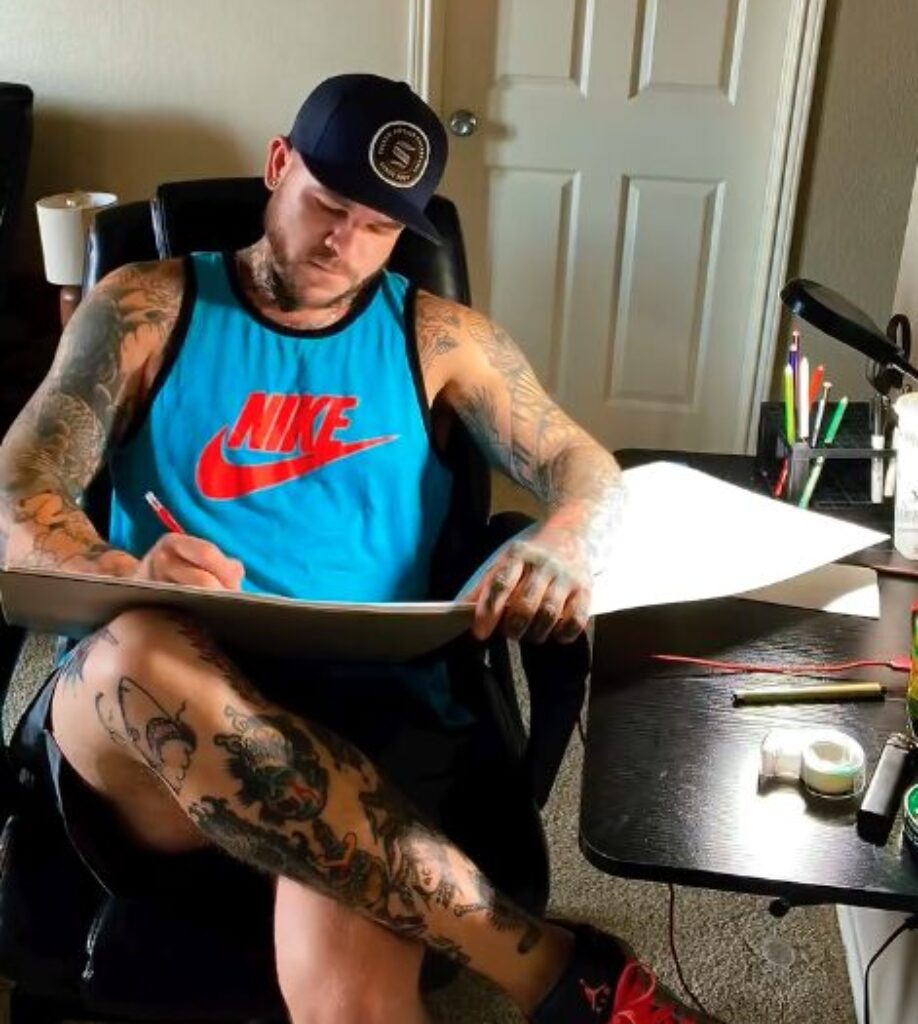
He has been giving back to the military community by using his unique artwork and talents to help bring healing and tribute to each veteran he tattoos.

His work helps people honor and remember those who gave the ultimate sacrifice – their friends, buddies, and brothers and sisters in arms – as well as memorialize their own personal military careers and the camaraderie they experienced while serving.

Daniel's service both in and out of uniform is a testament to the warrior ethos that drives the great men and women whose serve and have served in the United States military.

Though trends shift — the barbed wire bands and tribal suns of yesteryear now mostly relegated to the past — the impulse remains the same: to mark a moment, to carry a memory, to say, “I was there.”
Because in the military, you earn your scars. Sometimes on the battlefield. Sometimes in the tattoo chair.
Join the Discussion
COMMENTS POLICY: We have no tolerance for messages of violence, racism, vulgarity, obscenity or other such discourteous behavior. Thank you for contributing to a respectful and useful online dialogue.