The U.S. Army, whose history has been deeply intertwined with cavalry units, has announced a significant shift in its approach to ceremonial horse programs.
On Tuesday, the Army revealed plans to phase out most of its ceremonial cavalry units, with the horses being put up for adoption. However, some ceremonial functions, notably those at Arlington National Cemetery, will remain in operation.
The Army’s decision marks a notable break from its tradition of using horses in various ceremonial roles.
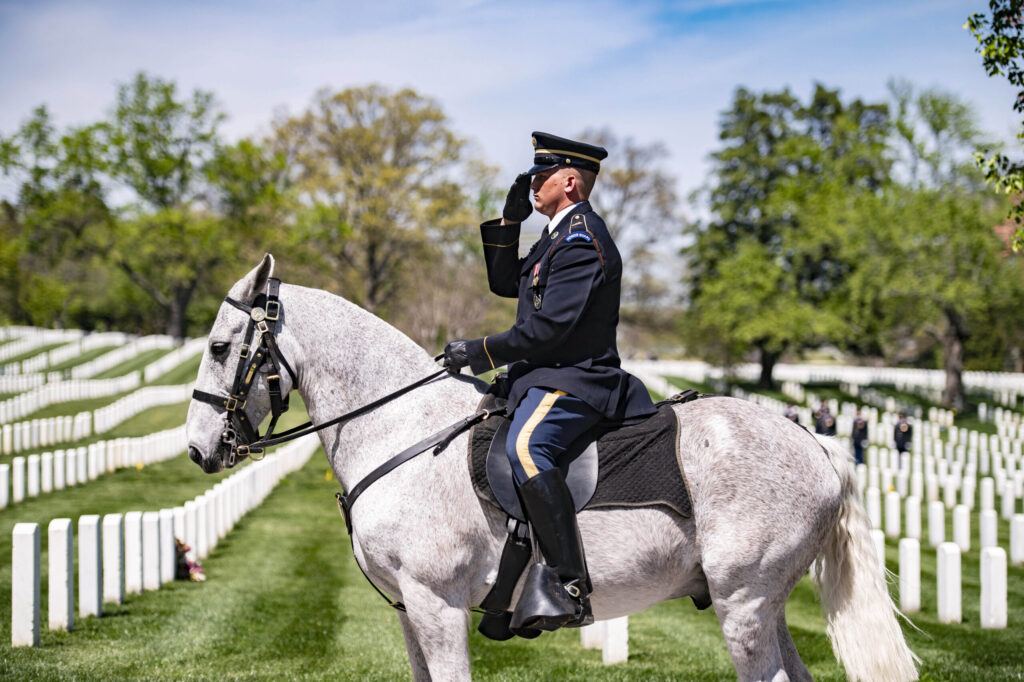
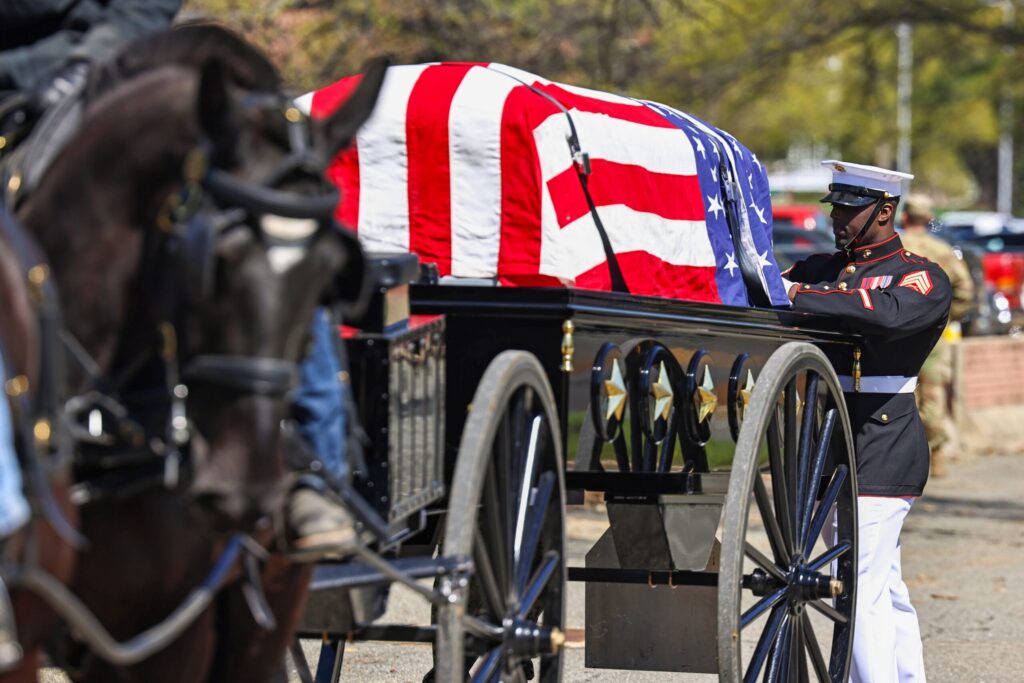
The famed Old Guard’s ceremonial caisson units at Joint Base San Antonio and Arlington National Cemetery will continue their operations for burial honors, preserving one of the most iconic elements of military tradition.
Here's What They're Not Telling You About Your Retirement
The caisson platoon of the 3rd Infantry Regiment, often recognized for its role in guarding the Tomb of the Unknown Soldier, will remain operational as part of this transition.
Steve Warren, Army spokesperson, confirmed that ceremonial cavalry units at various Army posts across the country would be closing down.
These include units stationed at Fort Cavazos in Texas, Fort Carson in Colorado, Fort Sill in Oklahoma, Fort Irwin in California, Fort Riley in Kansas, and Fort Huachuca in Arizona.
This Could Be the Most Important Video Gun Owners Watch All Year
These bases were home to horses that participated in high-profile events, including the military parade in Washington on June 14, which celebrated the Army’s 250th anniversary as well as President Donald Trump’s birthday.
While the decision to close these units has its historical significance, it is primarily being driven by financial considerations and an overall realignment of the Army’s resources toward warfighting needs.
The Army estimates that the closure of these ceremonial units will save approximately $2 million annually, a measure aligned with broader efforts to reduce government spending.
These changes come as part of the Trump administration’s broader push to cut costs and promote efficiency within the federal government, including at the Pentagon.
Along with reducing ceremonial units, the administration has sought to streamline military leadership positions, with a focus on maximizing operational efficiency.
The Pentagon has faced considerable political pushback, particularly from Democratic lawmakers, due to high-profile expenditures, such as the costs associated with deploying troops to protests in Los Angeles and the ongoing efforts to retrofit a Qatari jet to serve as Air Force One.
The Army has given affected bases a 12-month deadline to cease their ceremonial cavalry operations. As part of the transition, 141 horses from these units will be adopted outside the military, Warren stated.
While some of the horses may be donated to organizations, the Army has made it clear that the animals will not be sold.
"The horses are part of the Army family, we’re going to treat them with compassion," Warren emphasized, assuring that each animal will be carefully rehomed and well-treated during the process.
This shift also comes in the wake of a recent incident at Arlington National Cemetery, where an investigation revealed that the horses involved in the caisson operations had been mistreated.
The horses had been left to graze in areas with insufficient grass, causing them to consume harmful sand and gravel.
MORE NEWS: Army Abruptly Scraps Deployment of 4,000 Troops to Poland Amid Chaos and Budget Shortfall
The mistreatment led to the deaths of two horses in 2022, and as a result, caisson operations were suspended until earlier this year while corrective actions were implemented.
This episode prompted further scrutiny of the Army’s handling of its ceremonial horses, leading to greater focus on the welfare of these animals as part of the Army's broader operational changes.
Despite these challenges, the Old Guard’s caisson platoon has resumed its important role at Arlington National Cemetery, continuing to honor fallen soldiers with the traditional horse-drawn caisson processions.
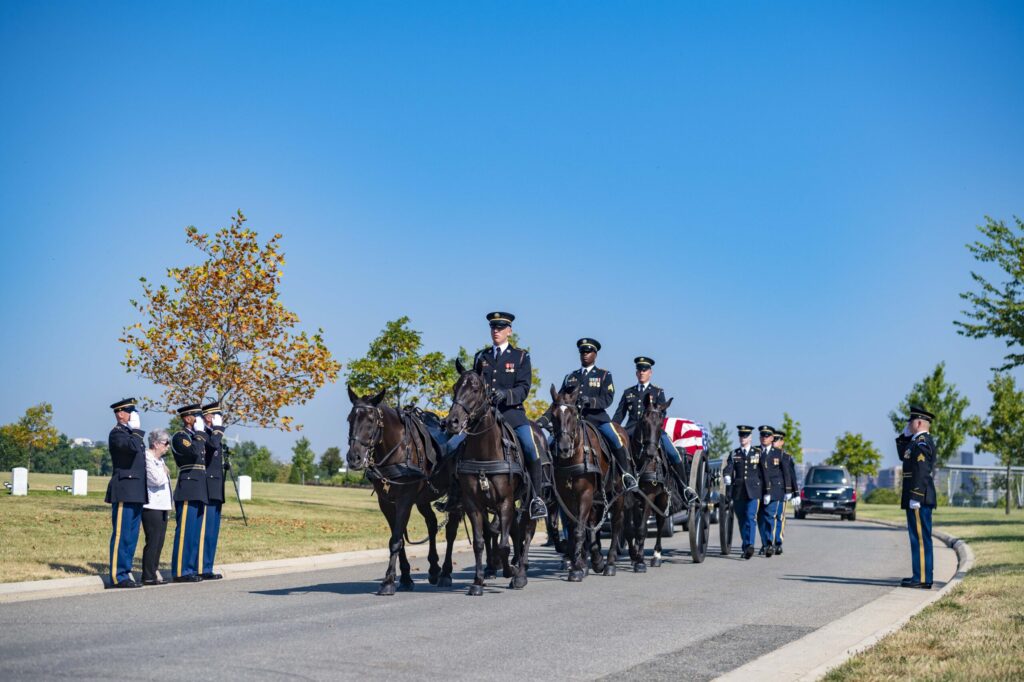
The caisson unit, a symbol of military tradition, remains one of the most recognized elements of the Army’s ceremonial functions, and its presence at Arlington ensures that the Army retains a connection to its storied past.
As the Army moves forward, the decision to end most ceremonial horse programs reflects a changing military landscape, where cost-saving measures and resource realignment take precedence.
While the Army will no longer maintain many of its ceremonial cavalry units, the enduring legacy of the Old Guard and its role at Arlington National Cemetery will continue to serve as a tribute to the sacrifices of those who have served in the U.S. Army.
Join the Discussion
COMMENTS POLICY: We have no tolerance for messages of violence, racism, vulgarity, obscenity or other such discourteous behavior. Thank you for contributing to a respectful and useful online dialogue.