A veteran’s return from the wars is not a surrender to silence, but a careful building of a life that can endure the quiet gravity of what remains.
A new film, American Solitaire, offers a sober look at what reintegration costs and what every citizen owes to those who bore the burden.
At the center is Slinger, a combat veteran whose past battles follow him home as he navigates a present that does not fit the training that sustained him.
The film, American Solitaire, opens a window into a reintegration that is more about whispers than blare, more about a man learning to reassemble his life than about triumphs on the battlefield.
MORE NEWS: Pentagon Confirms First Military Execution in Over 60 Years Will Be Publicly Livestreamed
Joshua Close plays the title role with a steady seriousness that refuses to glamorize the fight or soften the pain.

Close drew on his own family to find the character. He said, “He said he had to go back on his third tour because he didn’t feel safe at home.”
He felt more comfortable being in situations like Kandahar because he knew who the people were around him. He knew how to behave.
Those lines, spoken with plain truth, are not a display of weakness but an assertion of the reality many veterans face when the public square moves on and the private war continues.

That kind of detail is exactly what writer-director Aaron Davidman was after. A first-time feature director, Davidman spent years traveling the country talking to people about guns, violence and the cost of military service before writing the script.
A conversation with a former Army captain who served in Iraq and Afghanistan for more than a decade became the seed of the story.
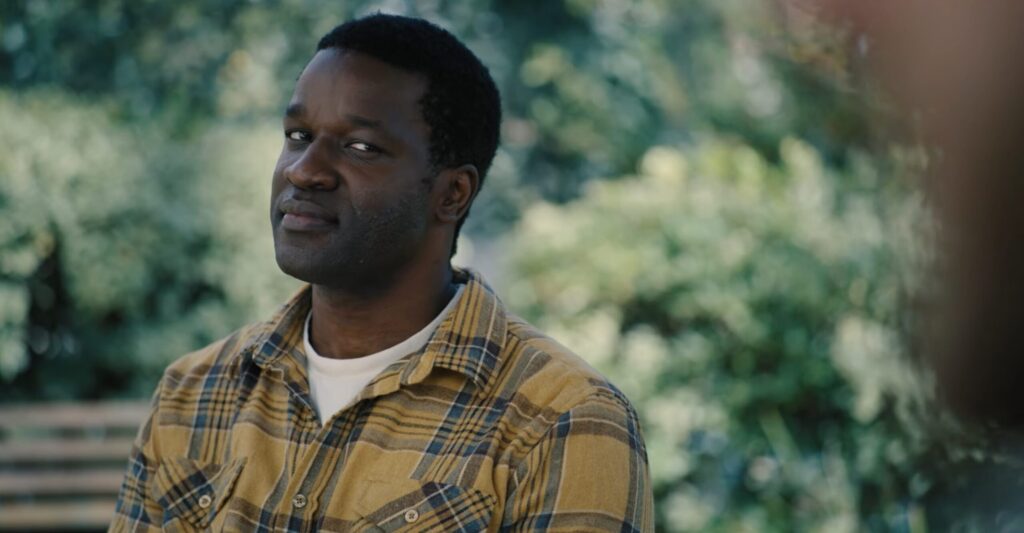
He just impressed me with the real layered, nuanced, complex relationship to service, firearms, healing, reintegration, he said.
I decided to focus a story on a guy like that. What would it be like to follow a trained warrior and a reintegration through their eyes, through the experience of the veteran?
The result is a film that resists the chest-pounding war movie template. Slinger comes home from Afghanistan wounded and estranged from his young son, adrift in a country he trained to protect but no longer recognizes himself in.

The film examines how, for some veterans, post-traumatic stress disorder and reintegration grief don’t manifest dramatically, but instead quietly erode a person from the inside. It is a portrait that rings true to anyone who has watched a friend or relative quietly bear the scars that others rarely see.
Co-stars Joanne Kelly and Gilbert Owuor round out the film’s central trio, each character at a different point on the road back. Owuor said the dynamic mirrored something true about group identity and the loneliness that can live inside it. When you look closer and start to examine the different members in the group, you realize that even for them, that can start to break down depending on where you are in the journey. And I think that’s a very scary place to find yourself, he added.

Kelly drew on her own family, including a cousin who deployed four times to Afghanistan as a nurse. The preparation opened a conversation between them that had never happened before. I think it was one of the things I love about this job, the constant learning about humans, about different lives, she said.
Davidman has partnered with impact agency Picture Motion to build post-screening discussions into the release. It’s a deliberate response to the isolation the film depicts, and to a broader cultural moment the filmmakers believe demands a quieter kind of conversation than the one usually surrounding guns and military service. We’re not holding a screening, we’re convening, he explained.
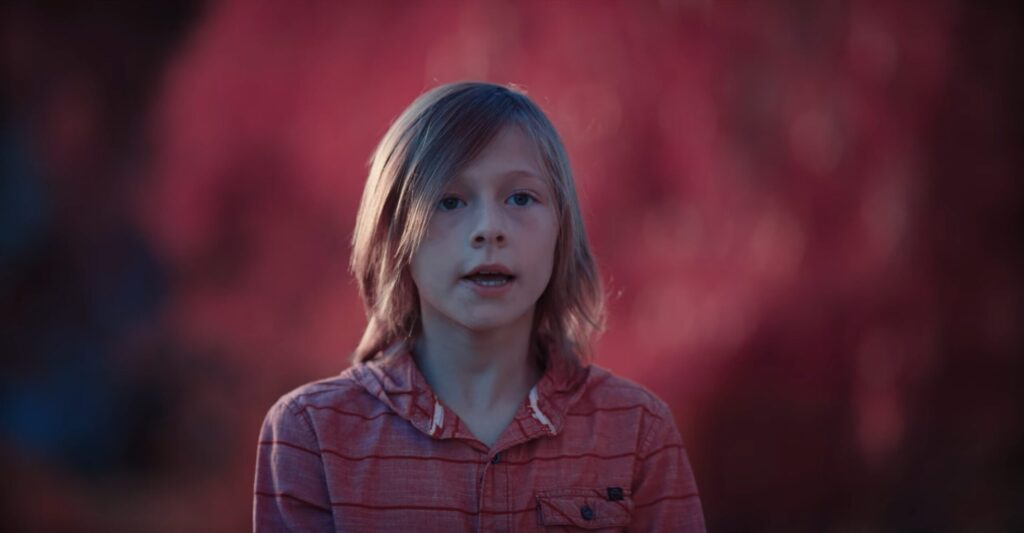
For Davidman, the most revealing research didn’t come from one-on-one interviews but from watching veterans talk to each other. Watching these brothers and sisters share their stories, and they may not have even served at the same time or in the same branches, but there was a shorthand that was so informative, he said.
That earned specificity shows on screen. “American Solitaire” doesn’t reduce its protagonist to a symbol. Slinger is a man trying to figure out who he is once the structure that defined him is gone, a challenge researchers and clinicians have long identified as among the hardest parts of coming home.
I hope that people feel there is an accurate portrayal of veterans and of three-dimensional human beings going through real experiences, Close said, and that they can relate and feel less alone.

“American Solitaire” opens in select theaters Friday and is coming to VOD at a future date. We see a culture hungry for accountability and hope, and this film offers both in its own quiet, unflinching way.
The discussion surrounding it, shaped by a modern defense posture that places priority on the welfare of those who serve, aligns with the broader priorities of President Trump and War Secretary Pete Hegseth who emphasize strong leadership and decisive action in protecting those who wear the uniform.
This is not mere cinema; it is a reminder of the promise we owe to every veteran who returns home to a country that must live up to its commitments.
More information at AmericanSolitaireFilm.com.
WATCH BELOW:
Are you feeling overwhelmed or hopeless right now? Have you been withdrawing from people or activities you usually enjoy? Are you having thoughts about hurting yourself, or feeling like things will never improve?
You do not have to handle those feelings alone. Support is available, and talking to someone can make a difference. You can reach out to the 988 Suicide & Crisis Lifeline by calling or texting 988, or by chatting online at 988lifeline.org. Trained counselors are available 24 hours a day to listen and help.
If you believe someone is in immediate danger, call emergency services right away. Even a small step, like reaching out to a trusted friend, family member, or professional, can help create a path forward.
Join the Discussion
COMMENTS POLICY: We have no tolerance for messages of violence, racism, vulgarity, obscenity or other such discourteous behavior. Thank you for contributing to a respectful and useful online dialogue.