Guam sits at the center of any potential clash with China, a reality that shapes planning from the White House to the War Secretary’s office.
That position means every decision about bases, ships, and missiles on the island carries consequences for troops and civilians alike.
Guam hosts long runways, a deepwater port, and vast fuel storage and weapons depots, and it sits about 2,000 miles closer to China than to Hawaii.
Because it is U.S. soil, the military does not need permission from a foreign government to operate there.
MORE NEWS: Pentagon Confirms First Military Execution in Over 60 Years Will Be Publicly Livestreamed
This combination makes Guam a prime target for the People’s Liberation Army in a conflict. The PLA would almost certainly aim hundreds of missiles at the island, threatening the logistics machine and the 170,000 U.S. citizens who call Guam home.
The military is pursuing a new missile defense architecture, but questions remain about timing and practical effectiveness. As of May 2025, Guam had six Terminal High Altitude Area Defense launchers with eight interceptors each, for a total of 48 interceptors on the island.
Plans call for an Enhanced Integrated Air and Missile Defense System to be spread across 16 sites, blending legacy systems like THAAD, Aegis, and Patriot into a unified shield.
That network would connect older and newer components so interceptors can strike missiles at various ranges and at different stages of flight.
New tools could include an Indirect Fire Protection Capability System to fill midrange gaps, along with upgraded radars and sensors for faster detection. Command and control upgrades would help sensors, interceptors, and service members share data and adapt on the fly.
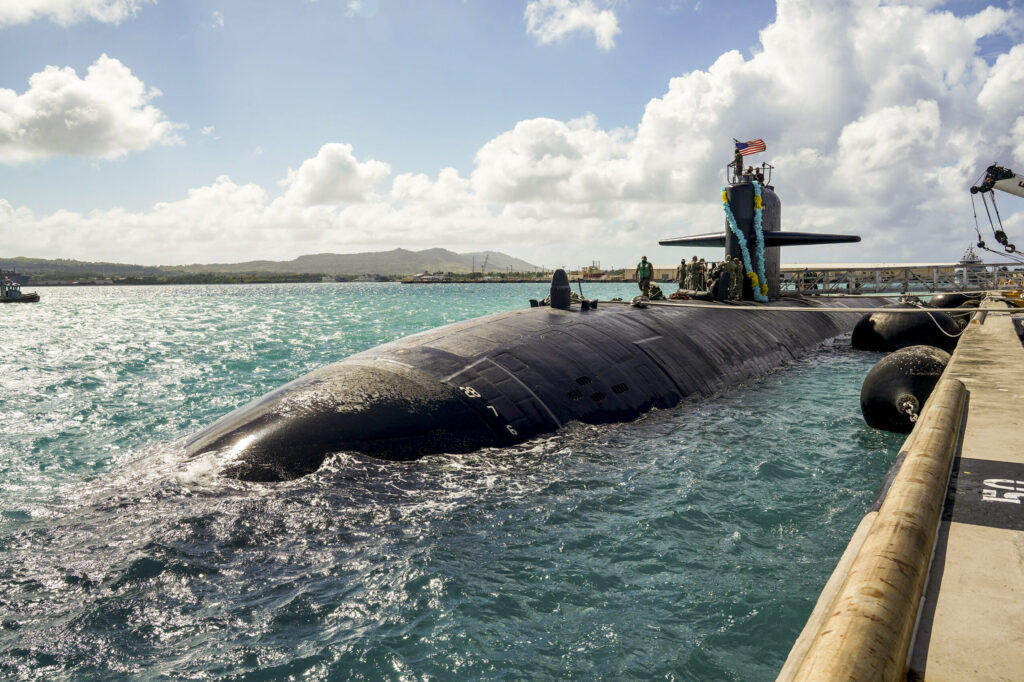
Yet the path forward remains unsettled because the 2025 GAO report shows critical planning gaps. The agency found that estimates for staffing the system range from 913 Army personnel to more than 4,000, a spread that complicates housing, health care, drinking water, and schools on Guam.
That is significant because Guam already faces infrastructure pressures, and the island cannot support a sudden surge without carefully mapped investment. Soldiers and their families would need housing, health care, drinking water, and education services, all of which depend on careful planning and funding.
Guam’s status as a U.S. territory adds another layer of complexity, since residents are U.S. citizens who pay American taxes but lack voting representation in Congress.
That reality has left some Americans on the island feeling as if they are second-class citizens with less of a say in how the U.S. military defends the island.
Passive defenses have long been a plea of defense analysts, but the Pentagon has not prioritized concrete shelters or rapid runway repairs to the same degree as interceptors.
Some experts, including retired Brig. Gen. Michael Cruz, argue for a more resilient civilian and military infrastructure and a civilian shelter system, as well as retraining Guam National Guardsmen to operate the missile defense system.
On Guam, what happens outside the fence line can directly affect what happens inside it and vice versa. He wrote this reminder because the island’s fate is tied to every decision made about its protection.
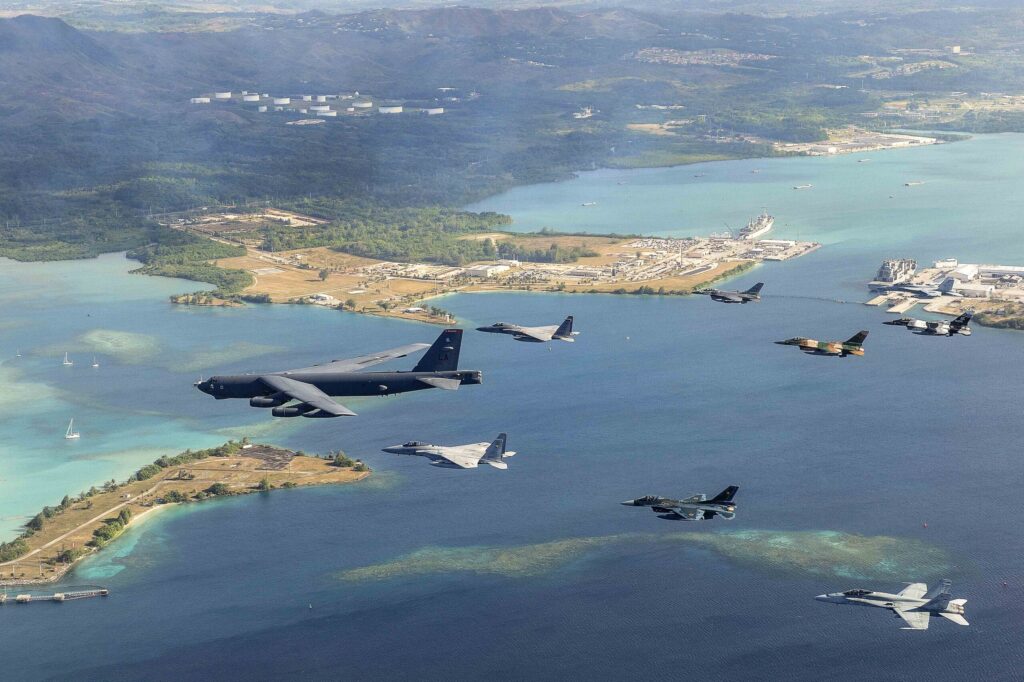
Secretary of War Pete Hegseth argues for a forward leaning, layered approach that links hard weapons with hardening the civilian backbone. Because Guam is a proving ground for the nation’s willingness to protect its farthest outposts, success there signals resolve across the Pacific.
Therefore, the administration and Congress should treat Guam not as a distant concern but as a strategic imperative that demands both courage and competence.
Under President Trump’s leadership, the push for a robust defense of Guam blends deterrence with practical readiness.
It pairs bold missile defense with plans to strengthen civilian infrastructure and local capabilities, ensuring the island can withstand pressure and recover quickly.
The defense of Guam is not merely a military matter; it is a statement about American resolve.
That is why the latest push to field new systems, expand the footprint, and fortify civilian resilience deserves bipartisan support and prompt, capable execution.
Join the Discussion
COMMENTS POLICY: We have no tolerance for messages of violence, racism, vulgarity, obscenity or other such discourteous behavior. Thank you for contributing to a respectful and useful online dialogue.