The Pentagon has unveiled a proposed 1.5 trillion dollar budget for the next fiscal year, and a core priority is fixing barracks that have long fallen short of basic standards.
War officials briefing reporters described a plan built around modernizing living quarters as a key element of readiness and morale.
The package allocates 57 billion dollars for U.S. military bases and other facilities, with a major portion directed toward critical updates identified by the barracks task force led by War Secretary Pete Hegseth.
The leadership said the objective is straightforward, even as it marks a long overdue push to raise living conditions to acceptable levels across all services.
MORE NEWS: Pentagon Confirms First Military Execution in Over 60 Years Will Be Publicly Livestreamed
“The investments in this budget will fix all substandard barracks and eliminate barracks that have been deemed poor or failing,” Whitney told reporters. The assertion signals a tangible shift in how the department prioritizes housing as a pillar of force readiness.
The plan breaks down spending for barracks in clear terms. The budget includes 10.2 billion dollars for new barracks, 8.8 billion for improvements such as heating and air conditioning repairs, plumbing fixes, and mold remediation, and 2.5 billion on preventative maintenance.
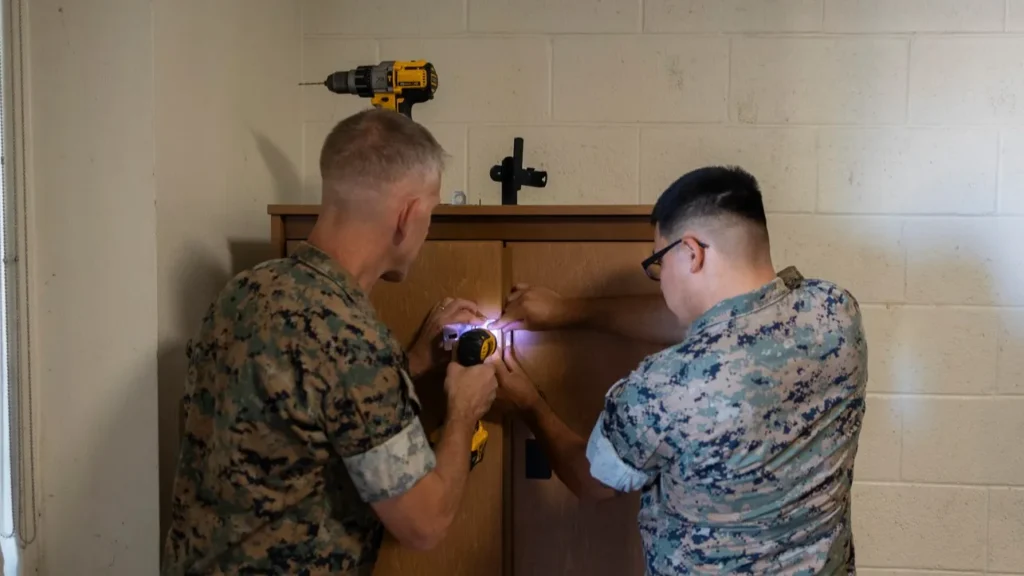
There is also 4.4 billion earmarked for family housing, a sign that the administration wants to strengthen life at home for service members and their families.
This year marks a notable increase in barracks funding compared with prior years.
For the 2026 fiscal year, the department requested 7.2 billion dollars for barracks upgrades, including 1.2 billion for new construction and 6 billion for facilities sustainment and modernization.
The goal is not merely new beds, but modern living spaces that support long deployments and high-tempo operations.
The move to fix all substandard barracks remains ambitious, and critics note the challenge has persisted for years. The government has long wrestled with the problem of housing quality, with funds often diverted to other priorities.
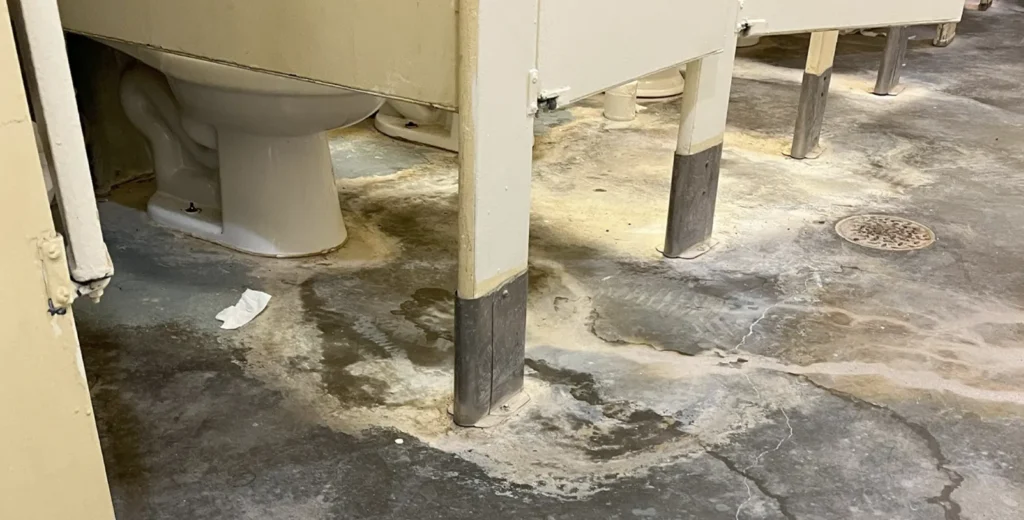
A 2023 Government Accountability Office report identified numerous problems at ten installations, ranging from mold to pests, sewage issues, and water quality concerns.
Hegseth announced in December that the Pentagon would immediately invest 400 million dollars to improve dilapidated barracks, and another 800 million would be spent on critical renovations.
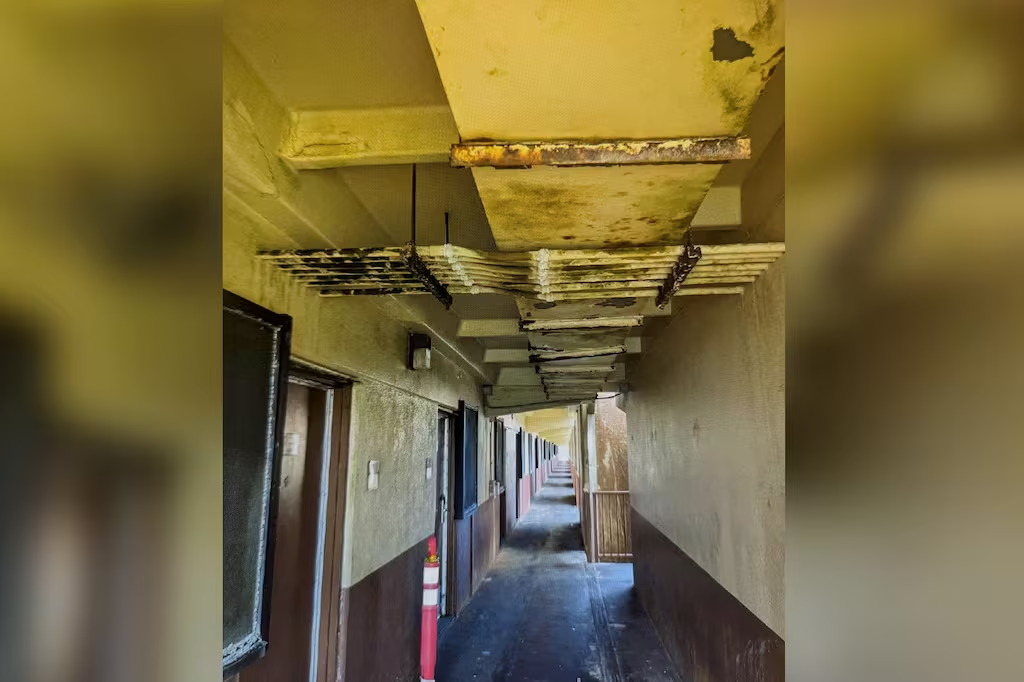
That early action set the tone for a broader effort now enshrined in the next year's budget.
The plan also seeks to standardize barracks and unaccompanied housing standards across all services, replacing previously inconsistent guidelines.
The department has compiled a list of barracks in failing condition, a list used in calculating the 2027 budget proposal.
“If they were on the list, then we’re going to remediate them,” said Jules “Jay” W. Hurst III, acting comptroller. This approach aligns with a broader push to ensure every service member has access to safe, sanitary, and livable quarters.
Beyond barracks, the proposed budget signals a continued push to grow the military’s size.
The National Defense Act previously authorized an increase of more than 26,000 active-duty personnel. In the new plan, the service would add another 44,000 members.
Officials argue this growth will provide the manpower needed to employ new capabilities and improve readiness and quality of life by ensuring units are properly staffed for the missions we task them with, Hurst noted.
The plan arrives at a moment when a growing force is seen as essential to maintaining strategic advantage. As policy debates proceed, supporters argue that improving housing and expanding the force are not luxuries but necessities for a modern and capable military.
Because life in barracks affects morale, retention, and mission focus, the funding is presented as a direct investment in national security.
At the same time, proponents emphasize that this is about more than bricks and pipes.
It is about rebuilding a culture that values the welfare of service members and their families while ensuring the United States can meet future challenges with a ready and capable force. The proposed budget, in this view, represents a practical step toward that aim.
The administration has framed these investments as a bipartisan necessity, insisting that better housing and a larger, more capable military will yield dividends in readiness and deterrence.
The plan invites scrutiny, but its advocates argue that hard choices now will avert more costly problems later.
As lawmakers review the details, the core message remains clear: a stronger, better-housed, and better-led force is essential for national security in an unpredictable era.
Join the Discussion
COMMENTS POLICY: We have no tolerance for messages of violence, racism, vulgarity, obscenity or other such discourteous behavior. Thank you for contributing to a respectful and useful online dialogue.