U.S. forces have conducted 49 airstrikes in Somalia so far in 2026, a pace that could match or surpass last year’s operations against Islamic militant groups.
The strikes are carried out in coordination with the Somali government and security forces, reflecting a sustained campaign in a volatile region. AFRICOM has tied the year’s activity to a broader effort against extremist networks operating in the Horn of Africa.
AFRICOM reported 124 strikes in 2025, a dramatic jump from 10 in 2024, according to a spokesperson. The wide swing in activity underscores the ongoing U.S. focus on counterterrorism efforts in partnership with Somali authorities.
The command highlighted the need to deny militant groups space to operate and to protect civilians in areas long affected by violence.
“Alongside the Federal Government of Somalia and the Somali Armed Forces, our efforts continue to degrade ISIS and al Shabaab capabilities,” the spokesperson said in a Wednesday statement. The remark captures from officials a clear intent to disrupt the operational reach of these insurgent groups. The quote also signals a continued emphasis on joint action with Somali partners.
The most recent strike targeted al Shabaab last week, around 82 miles northwest of Kismayo, a port city on the country’s southern coast.
The command said it would not divulge specific details about units or assets to protect operations in the region. Such caution reflects a broader concern for safeguarding ongoing missions from counterintelligence and security risks.
Al Shabab is an al Qaeda linked insurgent group that has repeatedly attacked civilians and government forces.
Its activities have drawn regional and international attention for years. The current campaign continues to focus on limiting the group’s capacity to conduct attacks and to threaten stability in Somalia.
The U.S. carried out 18 strikes in Somalia in 2023 and 16 in 2022. Those numbers provide a backdrop for understanding the tempo of operations that have continued into 2026. Analysts note that the pattern of airstrikes often follows security developments on the ground and the capacity of Somali partners to respond to threats.
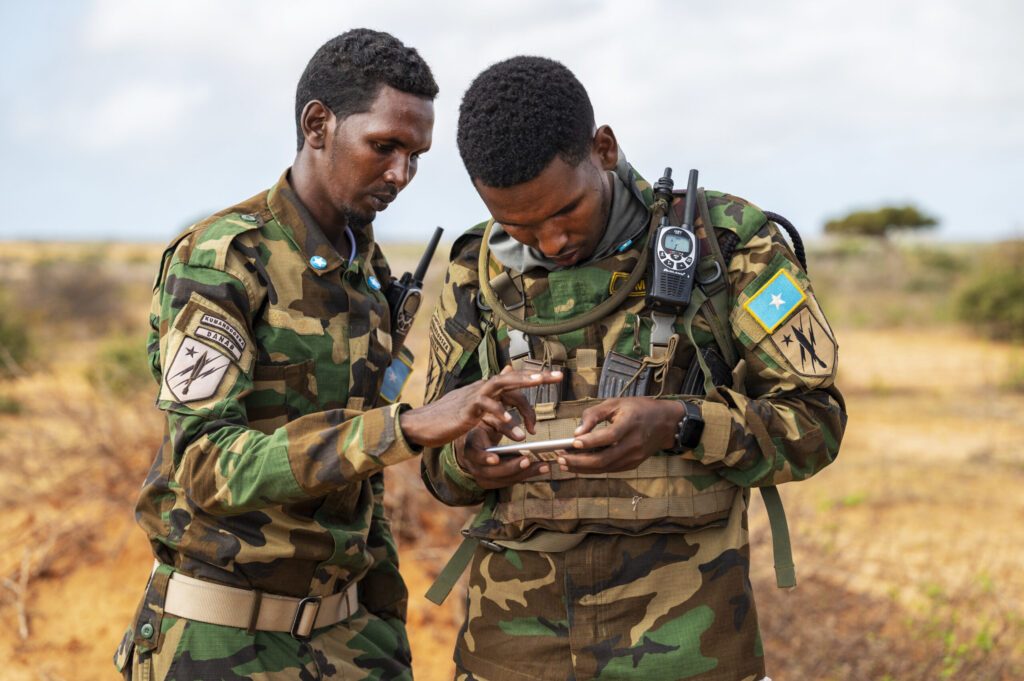
Security officials emphasize the importance of a coordinated approach with the Somali government and the Somali Armed Forces. The goal is to degrade militant networks while bolstering local governance and resilience. The reliance on a regional, partner-based strategy remains a central feature of the campaign.
The War Secretary has underscored the need to maintain persistent pressure on militant networks in Somalia. Officials say the approach combines precision strikes with training and support for local security forces.
The emphasis is on sustainable gains that can endure beyond short-term operations.
At the same time, U.S. authorities caution that the region’s security situation remains fragile. Civilians can be caught in the crossfire, and mission planners continually weigh risk against strategic aims. The balance between effective counterterrorism and minimizing harm to civilians guides daily decisions.
Because the operations are conducted with Somali consent and oversight, U.S. authorities stress that regional collaboration remains essential. This partnership is viewed as critical to preventing a security vacuum that could invite greater instability.
The collaboration is designed to deliver long-term security benefits for both nations.
In year-to-year terms, officials say continuing momentum depends on disciplined execution and adaptive tactics.
The campaign’s durability will hinge on maintaining support from regional partners and ensuring that operational gains translate into measurable improvements for Somali communities. Officials emphasize that the work is ongoing and that adjustments will be made as needed.
The overarching message is one of steady, targeted action paired with strong local cooperation. While the threat persists, the strategy remains grounded in concrete partnerships and precise operations.
The region’s future stability depends on keeping pressure on militant networks while supporting legitimate government institutions.
Join the Discussion
COMMENTS POLICY: We have no tolerance for messages of violence, racism, vulgarity, obscenity or other such discourteous behavior. Thank you for contributing to a respectful and useful online dialogue.
Let us hope that these people that we now support will not become like the ISIS type of people that we supported during the time when Russia was in Afghanistan.
You know how that turned out!
When do they expand the strikes to Dearbornistan?