The United States Coast Guard is going on the offensive, tightening its grip on smugglers, traffickers, and narco-terror networks.
According to new plans laid out in the fiscal 2027 budget proposal, the service intends to expand its most specialized interdiction and tactical response units, turning them into a battle-ready force capable of striking anywhere America’s enemies might move by sea.
The Coast Guard is asking for roughly $80 million to boost its Deployable Specialized Forces, adding more than 650 personnel and establishing a new Special Missions Command to oversee these elite teams.
Officials describe it as a restructuring to make deployments faster, coordination smoother, and operational power sharper.
MORE NEWS: Pentagon Confirms First Military Execution in Over 60 Years Will Be Publicly Livestreamed
Many of these units were born out of post-9/11 urgency, when America finally realized that open waters offer both opportunity and danger.
These paramilitary teams—part law enforcement, part special operations—conduct high-risk boarding missions, chase dope runners in the Caribbean, and have worked closely with Navy and Marine units on joint counterterrorism and interdiction efforts.
They’ve grown especially active under President Trump’s hardened stance against drug cartels and their terrorist ties. Trump’s policy of classifying major cartels as terrorist organizations has given the Coast Guard new authority and purpose.
Their mission now reads more like something out of a special operations playbook than a bureaucratic maritime checklist.
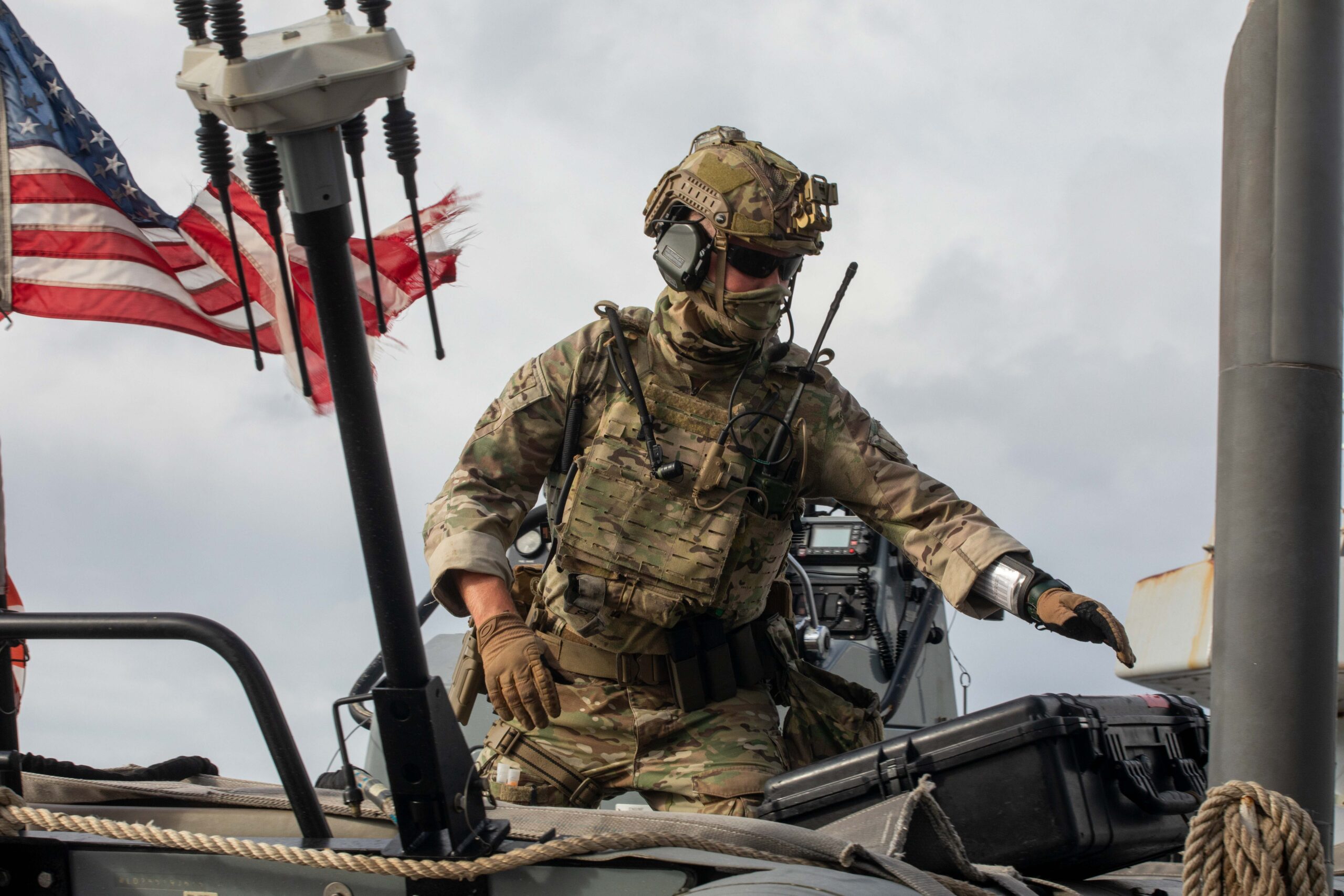
While officials declined to release current manning numbers, reports estimate about 2,000 personnel are already spread across the Deployable Specialized Forces.
The $80 million expansion would lift that number considerably—to roughly 2,650—while consolidating operational control under a single, combat-focused headquarters.
The Special Missions Command itself will be headquartered in Kearneysville, West Virginia, near existing Department of Homeland Security facilities.
It will begin with a core of 130 personnel, aimed at reaching initial operating capacity within months, before additional slots are filled through 2027.
Another 525 specialized operators will join active units across the country. Rather than reporting to area commanders as before, these teams will now answer directly to the new command—streamlining missions and reducing red tape during rapid-response operations.
The Coast Guard is also launching four new Tactical Law Enforcement Teams—boarding experts and sharpshooters trained to disable enemy vessels mid-chase, even from airborne platforms.
These teams, often riding fast boats with belt-fed machine guns, can intercept everything from drug-runners to unauthorized foreign vessels.
The Maritime Safety and Security Teams and Maritime Security Response Teams, also created after 9/11, will see fresh reinforcements and new gear.
These units have guarded some of the most high-profile national gatherings in recent decades, including the United Nations General Assembly, political conventions, and the Super Bowl.
Regional dive teams and port security detachments will also be folded into the Special Missions Command.
Some of these personnel will come from the reserve component, allowing greater flexibility and rapid mobilization for unexpected missions. The structure creates a more agile, combat-style chain of command.
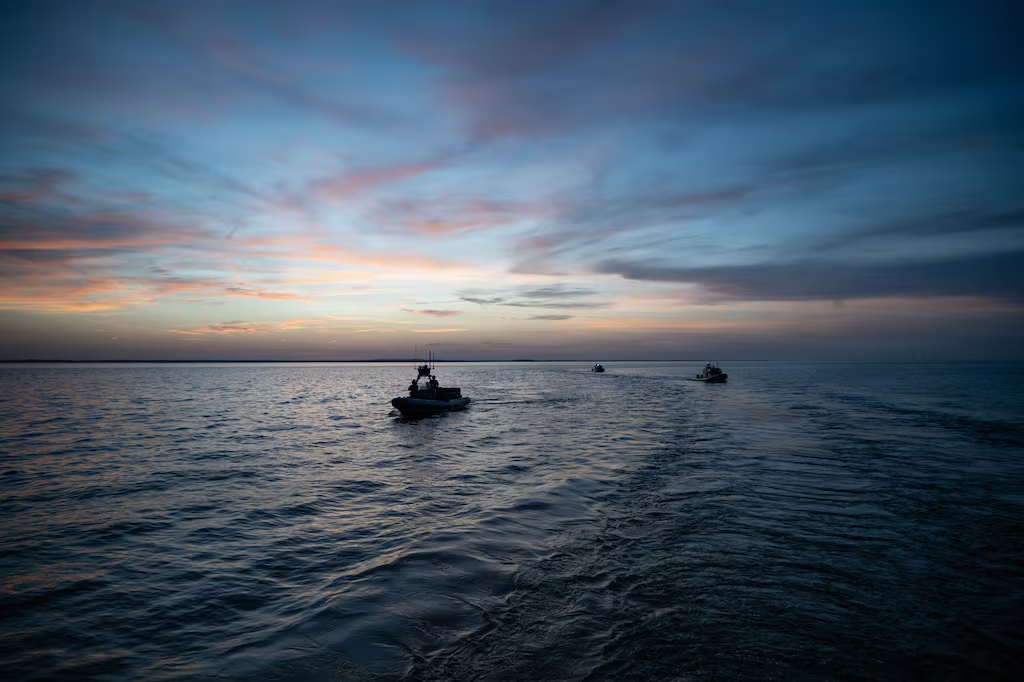
Adm. Kevin Lunday, the Coast Guard Commandant, said this push marks a strategic evolution for the service.
“We are forging our most elite operators into a single, razor-sharp instrument of national power,” Lunday declared. “This is not an administrative change; it is an investment ensuring these elite teams are ready to protect the Homeland and support the Joint Force.”
Recent missions have underscored that need. Operation Pacific Viper, targeting Pacific drug routes, and Operation Southern Spear, launched under the Trump administration in 2025, have deeply involved these specialized forces. The goal: total disruption of narco-terror networks threatening U.S. sovereignty.
Of course, the predictable critics have emerged from the usual corners.
The ACLU and Human Rights Watch are shouting “extrajudicial killings” after Operation Southern Spear reportedly eliminated nearly 200 individuals tied to cartel activities. The same entities that ignored thousands of fentanyl deaths in American towns now clutch their pearls over terrorists caught at sea.
The bigger picture, though, is clear—this administration is rebuilding America’s walls, waters, and willpower. Expanding maritime interdiction forces ensures that no cartel, trafficker, or foreign agent can use international waters as a safe zone.
Whether it’s stopping cocaine subs in the Pacific or migrants attempting to slip through California’s coastline, the Coast Guard is once again positioned as a frontline defender of the Republic.
The budget also proposes a $2.1 billion increase for the Coast Guard overall, funding new aircraft, ships, and critical infrastructure.
This expansion reaffirms what many within the armed services have been saying for years: the seas are no longer neutral ground—they are contested space, and America must dominate them.
President Trump and Secretary of War Pete Hegseth have made clear that border security does not stop at the land. These new forces ensure that American waters remain under American control—fiercely, fearlessly, and permanently.
Join the Discussion
COMMENTS POLICY: We have no tolerance for messages of violence, racism, vulgarity, obscenity or other such discourteous behavior. Thank you for contributing to a respectful and useful online dialogue.