The age of the massive, city-sized U.S. military base may be coming to an end, and it’s not because of budget cuts or politics—it’s because drones have changed the face of war.
According to Marine Gen. Francis Donovan, head of U.S. Southern Command, the old “bigger is better” model that dominated the wars in Iraq and Afghanistan has made America’s troops too easy to find and too easy to hit.
Speaking at SOF Week in Tampa, Donovan made it clear: in an era where drones can loiter for hours and strike without warning, sprawling forward operating bases are more of a liability than an asset.
“I think we need to make ourselves a smaller target,” he said. “We have to be harder to be detected, hit.”
MORE NEWS: Pentagon Confirms First Military Execution in Over 60 Years Will Be Publicly Livestreamed
That’s a sharp shift from the mindset that guided two decades of war.
During Iraq and Afghanistan, Washington sent over 270,000 troops at peak strength—roughly 170,000 in Iraq and 100,000 in Afghanistan.
The result? Massive, semi-permanent bases like Bagram Airfield and Joint Base Balad that came complete with airstrips, chow halls, gyms, and convoys constantly running supply lines.
It was a logistical feat—but also a flashing beacon to any adversary watching from above.
Donovan wasn’t shy about admitting that the giant war machine America built during those years came with serious exposure.

“We made ourselves more vulnerable because of our logistics requirements,” he said. In other words, the bigger the footprint, the easier the target. What once looked like military dominance now looks like a neon sign for attack drones.
The general also warned that the U.S. hasn’t really fought “under the gun” in a long time. For years, the battlefield dynamic was asymmetric—our troops had the overwhelming advantage in technology and air superiority.
Enemy attacks came mostly from roadside bombs and small arms fire.
But those days are long gone. Now, the drone threat is everywhere, and the enemy doesn’t need air superiority to be deadly.
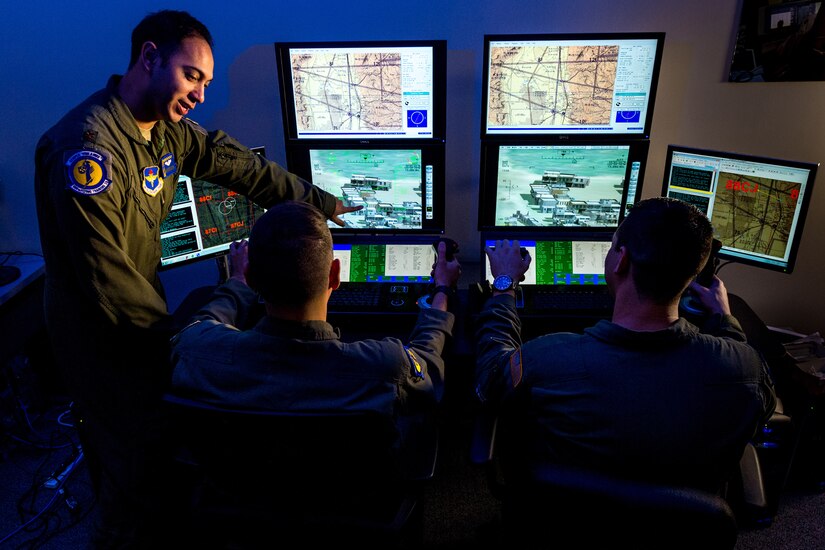
The Army has already been running drills that reflect this new reality—training soldiers to move in smaller, dispersed units and emphasizing camouflage, concealment, and deception.
It’s not as glamorous as the old forward operating bases, but it’s what survival looks like in the era of drone warfare.
“It’s very hard to hide anywhere these days,” Donovan admitted.
“But the reality is, we could be much better at deception. We could be much better with our own discipline in how we set ourselves, move into a location, work with partners, and reduce our digital footprint.”
It’s time to stop thinking like a superpower that always owns the sky and start thinking like a force that can disappear when needed.
For many in the War Department, that is no small cultural shift. The “golden hour” medical evacuation and large-scale quick reaction forces relied heavily on fixed, well-supported bases.
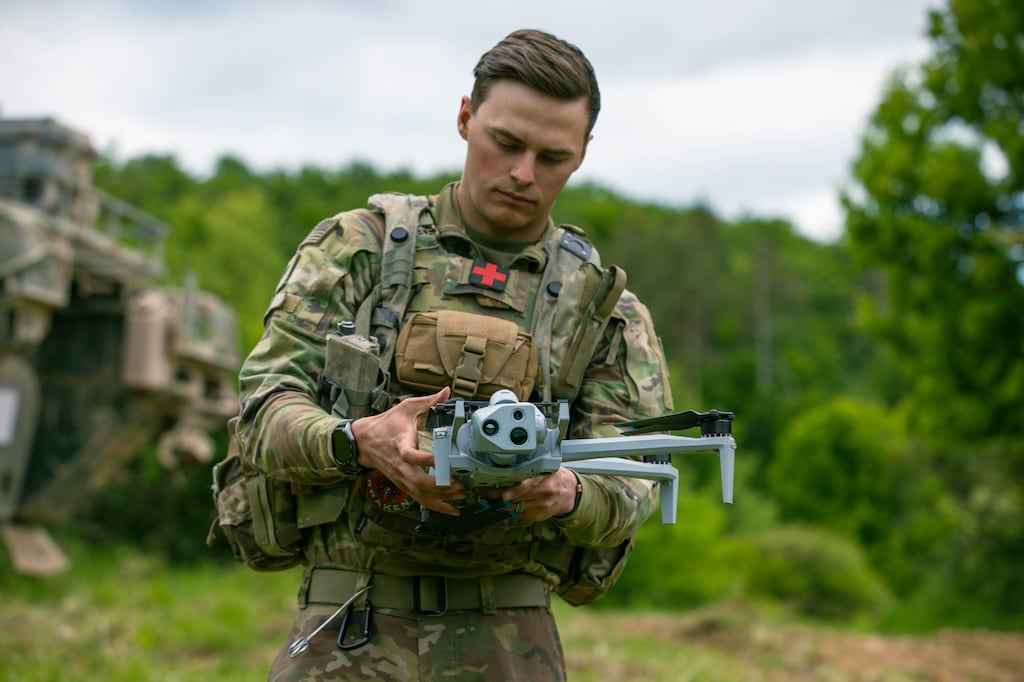
They worked beautifully in the Middle East because the U.S. controlled both the land and the air. But if enemy drones can zero in on those same rescue routes in minutes, the old model collapses fast.
Donovan’s blunt assessment: “If we need all those things, then the enemy has an easier way to target us. I think we have to kind of flip the script on that and think differently.”
In other words, the future battlefield will reward those who can move light, strike fast, and vanish.
The takeaway isn't that America is retreating from projection of power—it’s that power must now look different.
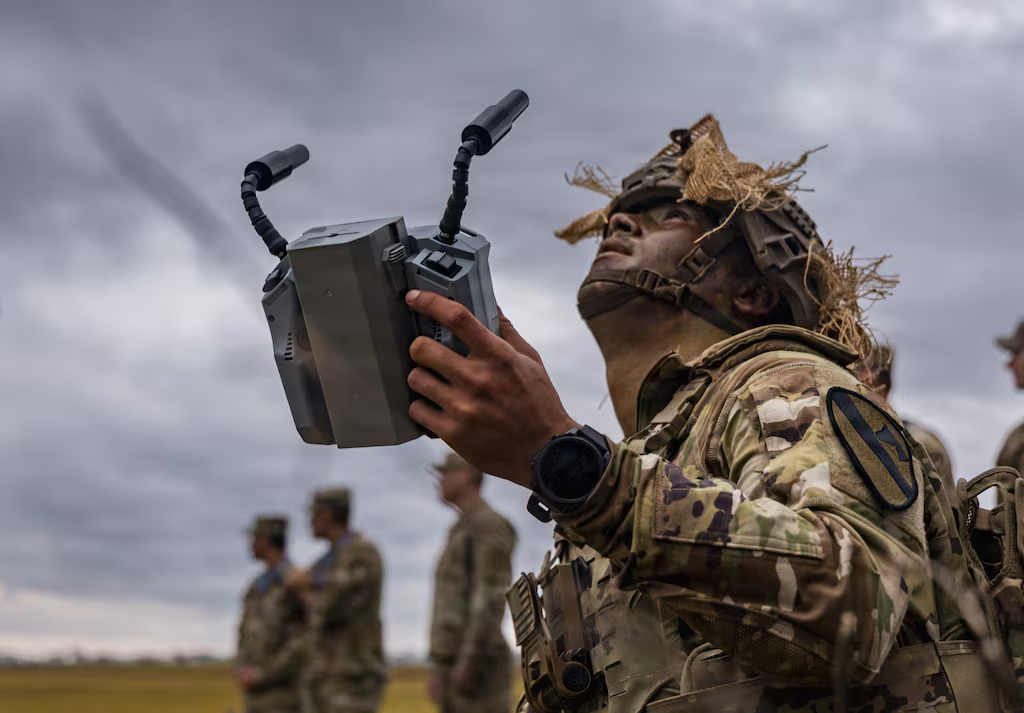
Smaller, decentralized, and digitally disciplined may very well mean more lethal. Donovan’s comments line up with what Trump-era War Department leaders have been warning all along: bureaucratic sprawl kills readiness, whether it's on a base in Afghanistan or an office in the Pentagon.
His theater at Southern Command includes Latin and South America—hardly the drone deserts of the Middle East.
Yet even there, he reports partner nations encountering similar threats, including drones guided by advanced fiber optics. That’s another wake-up call: this isn’t only a Middle East problem anymore. The proliferation of drone warfare is global, and it’s evolving faster than Washington can draft new doctrine.
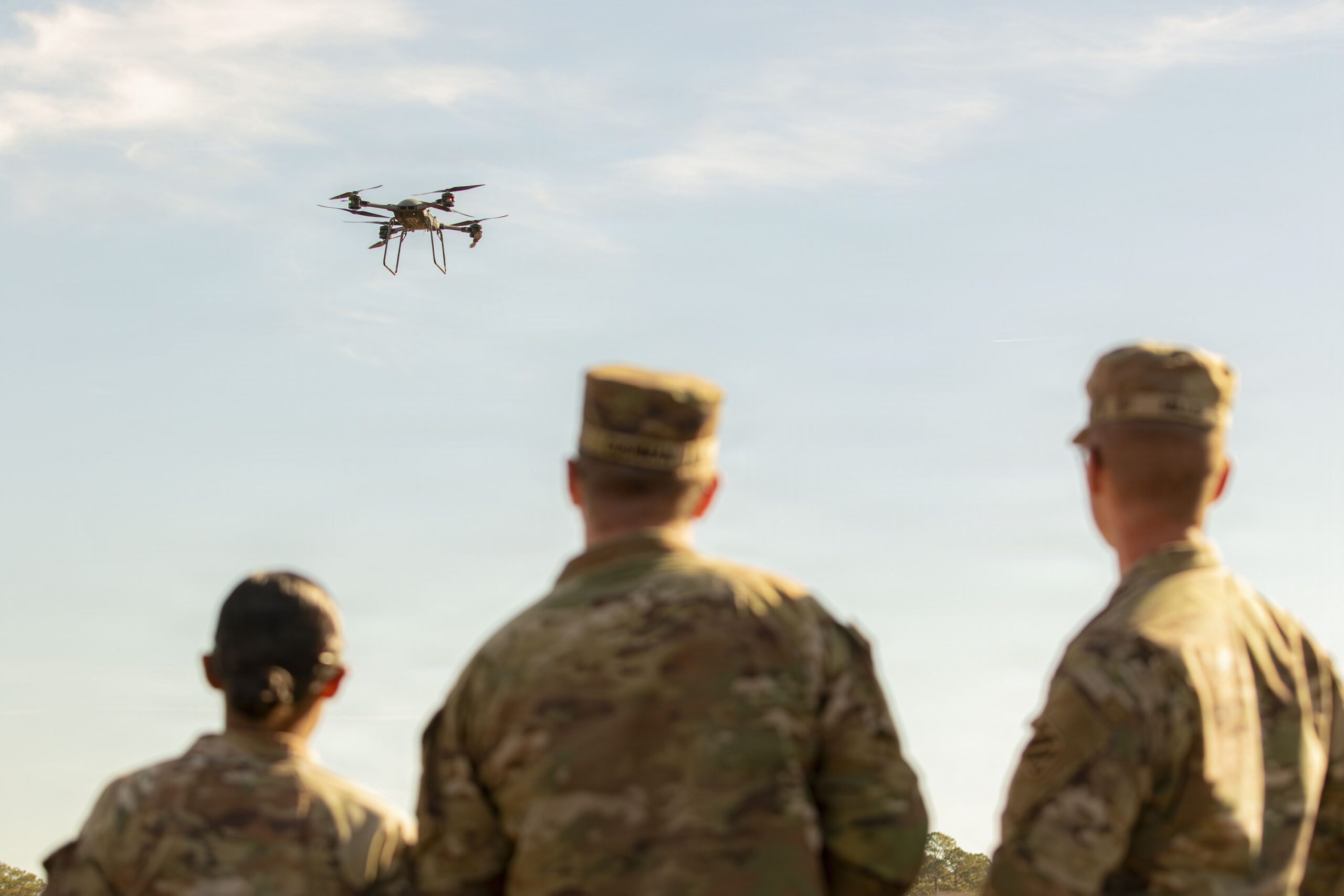
“What we need is less,” Donovan said, referring to how U.S. deployments should adapt.
“We have to be careful not to get too strong, too big at any location; still be dynamic, still be expeditionary, and put the force that needs to be applied to the target and match that appropriately.”
It’s a return to old-school American warfighting roots—the kind that favors small, fast, quietly lethal units over floating cities in the sand.
That shift fits hand-in-glove with the priorities laid out by Secretary of War Pete Hegseth and former President Trump’s push to rebuild a leaner, more combat-focused force. Bureaucratic bloat won wars yesterday; agility will win them tomorrow.
The message from CENTCOM to SOUTHCOM and every other theater is now clear: size doesn’t mean strength anymore.
Strength comes from being invisible until it’s too late for the enemy to react. And in the drone age, that’s the kind of power America needs most.

Join the Discussion
COMMENTS POLICY: We have no tolerance for messages of violence, racism, vulgarity, obscenity or other such discourteous behavior. Thank you for contributing to a respectful and useful online dialogue.