America’s war campaign against Iran has left the Islamic Republic bloodied and limping, but far from dead.
That was the blunt message from Adm. Brad Cooper, the head of U.S. Central Command, when he told senators on Thursday that Iranian military power has been severely degraded after 38 days of hard-hitting American strikes under Operation Epic Fury.
Cooper credited President Trump’s administration for authorizing a sustained military response that ripped through Iran’s warfighting infrastructure, taking out mines, missiles, factories, and the very heart of Tehran’s command and control systems.
But as Cooper cautioned, “It’s a very large country,” and one that still retains a modest ability to lash out.
MORE NEWS: Pentagon Confirms First Military Execution in Over 60 Years Will Be Publicly Livestreamed
The admiral told the Senate Armed Services Committee that Iran’s capacity to strike regional neighbors is now “very moderate, if not small,” yet emphasized that the threat, however diminished, is still alive.
In the Strait of Hormuz, where one-fifth of the world’s oil passes through, both U.S. and Iranian forces remain in a tense standoff.

After Washington and Jerusalem struck Iranian targets inside the regime’s territory earlier this year, Iran retaliated by throttling maritime traffic through the chokepoint.
Their attempt to disrupt global oil trade through threats of naval mines and attacks on tankers drew an immediate and powerful response from the U.S. Navy, who imposed a strict blockade on Iranian ports.
“The Iranian capability to stop commerce has been dramatically degraded through the straits,” Cooper said.
He noted that while Iran’s threats still echo through the international shipping and insurance sectors, their actual power to make good on those threats has collapsed.
At the heart of this success is the systematic destruction of Iran’s naval mine stockpiles. U.S. forces have wiped out roughly 90 percent of Tehran’s 8,000 mines — the very weapons that made the Strait of Hormuz one of the world’s most dangerous waterways.
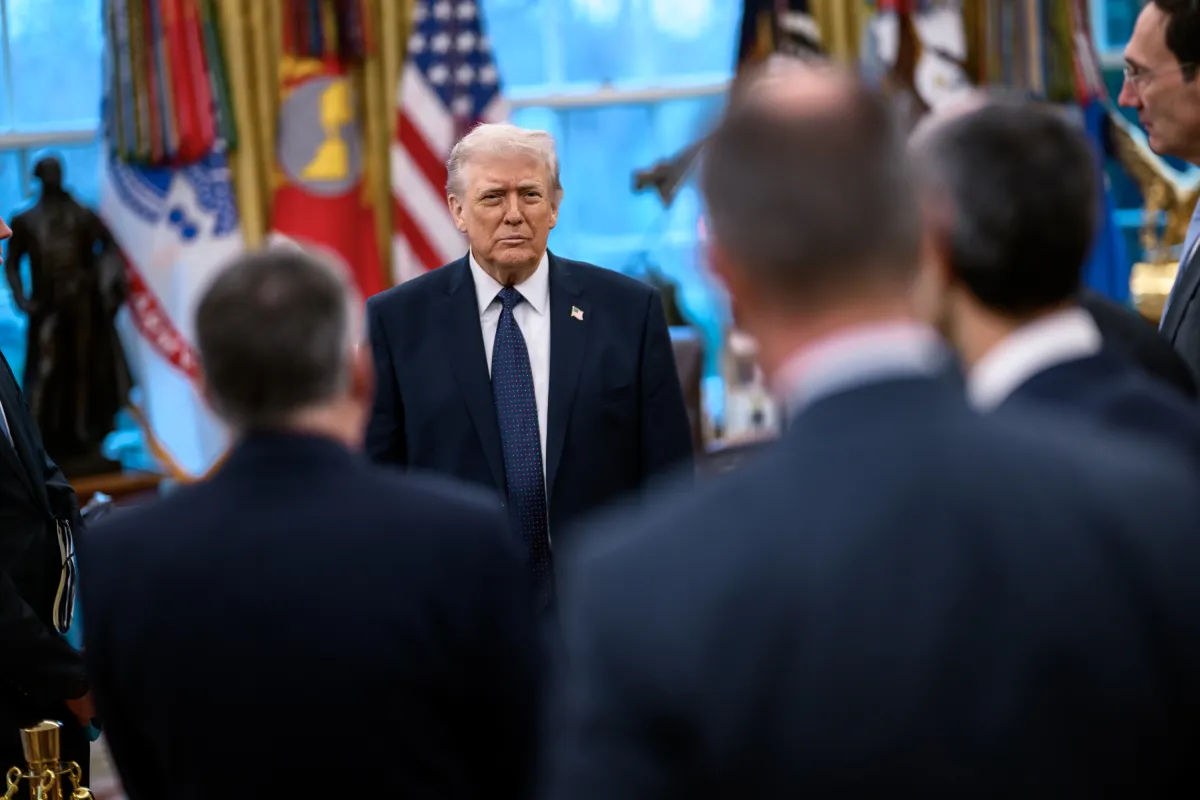
Cooper said the U.S. has also eliminated the bulk of Iran’s defense industrial base, crippling its ability to replace what has been destroyed.
The admiral declared that U.S. forces under Operation Epic Fury “met every military objective,” adding that Iran’s warfighting capacity has been dismantled across every combat domain, from air power to maritime interdiction to surveillance.
In his words, the Islamic Republic “no longer threatens regional partners or the United States in ways that they were able to do before.”
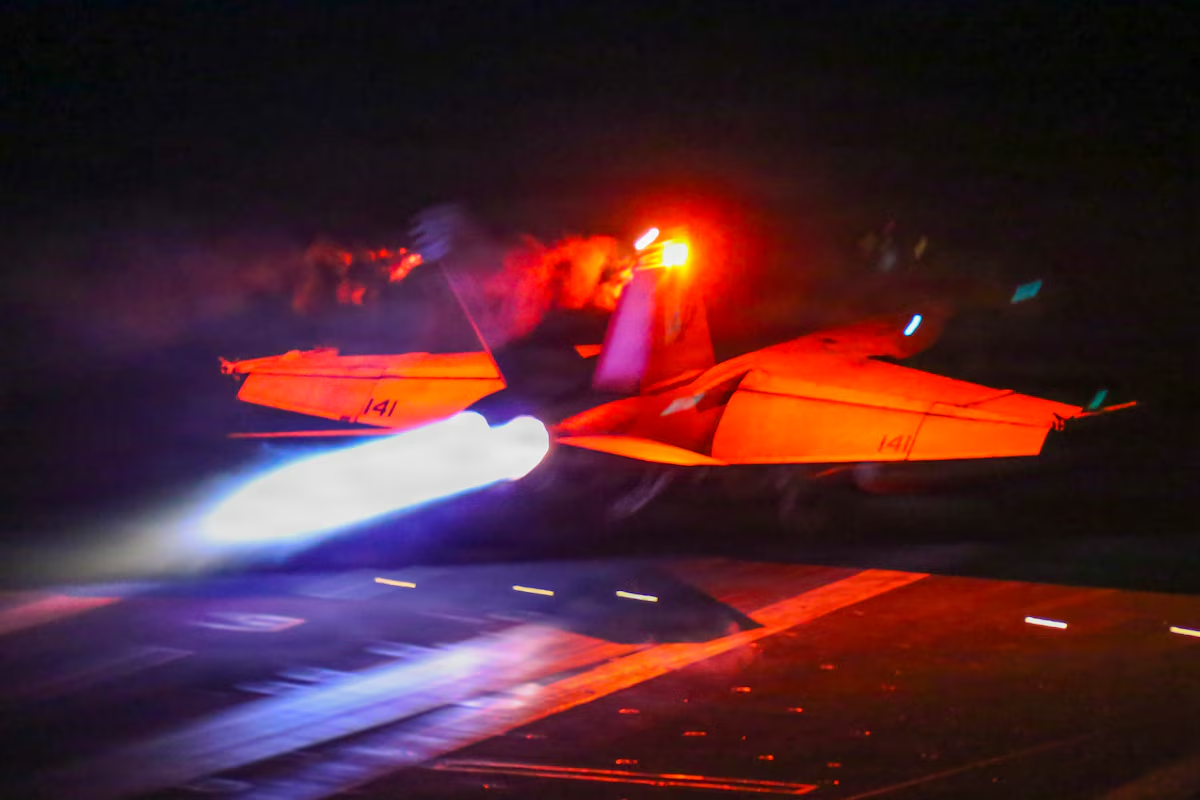
Of course, not everyone in Washington agrees. The corporate media has rushed to play down the Trump administration’s successes, with outlets like the *New York Times* claiming that Iran retained up to 70 percent of its missile arsenal and launchers.
CENTCOM’s Cooper dismissed those reports outright, saying that “the numbers I’ve seen in open source are not accurate.”
He insisted that it’s less about raw numbers and more about systemic paralysis: shattered command structures, devastated communications, and a destroyed ability to produce new weapons. “It’s more than just the numbers,” he said.
“It’s the command and control that’s been shattered… the lack of any ability to produce missiles or drones on the backend.”
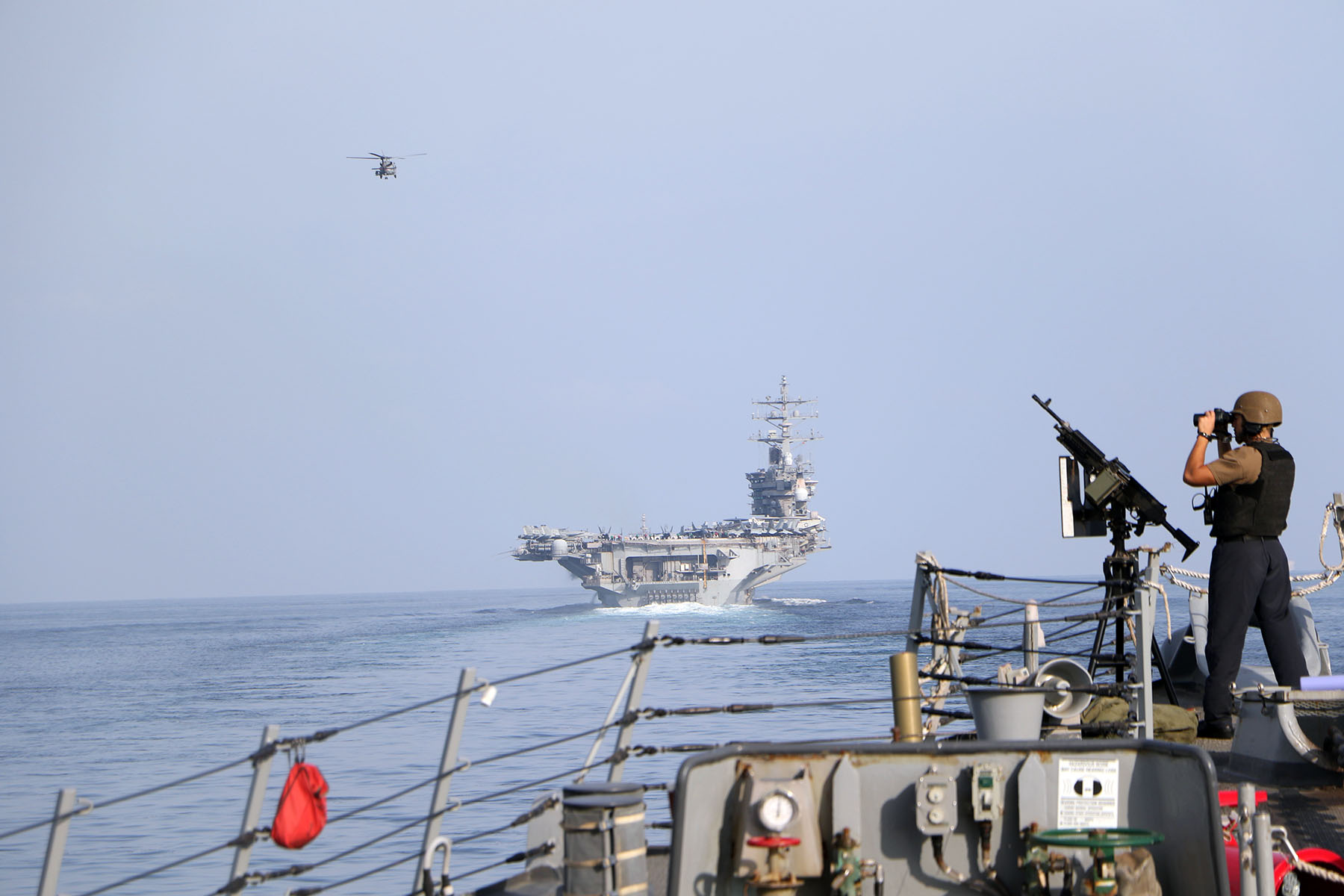
That point is crucial. Without functional production lines or logistics networks, Iran’s much-hyped arsenal is little more than metal in storage.
What once propped up Tehran’s regional terror proxies — Hamas, Hezbollah, and the Iranian-backed Houthis — is now reduced to smoldering ruins and disconnected warehouses.
“Most notably, we degraded Iran’s ability to project power outside its borders and threaten the region and our interests,” Cooper said. “Today, Hamas, Hezbollah, and the Houthis are all cut off from Iran’s weapons and support.” That statement alone marks one of the most decisive wins for American and allied forces in decades of Middle East conflict management.
In the two and a half years leading up to Operation Epic Fury, Iran’s proxy militias launched more than 350 attacks on U.S. service members and diplomats. Now, with their funding and weapon pipelines severed, those same groups find themselves struggling to remain relevant.
That’s the power of overwhelming American force when it’s unleashed without hesitation or apology.
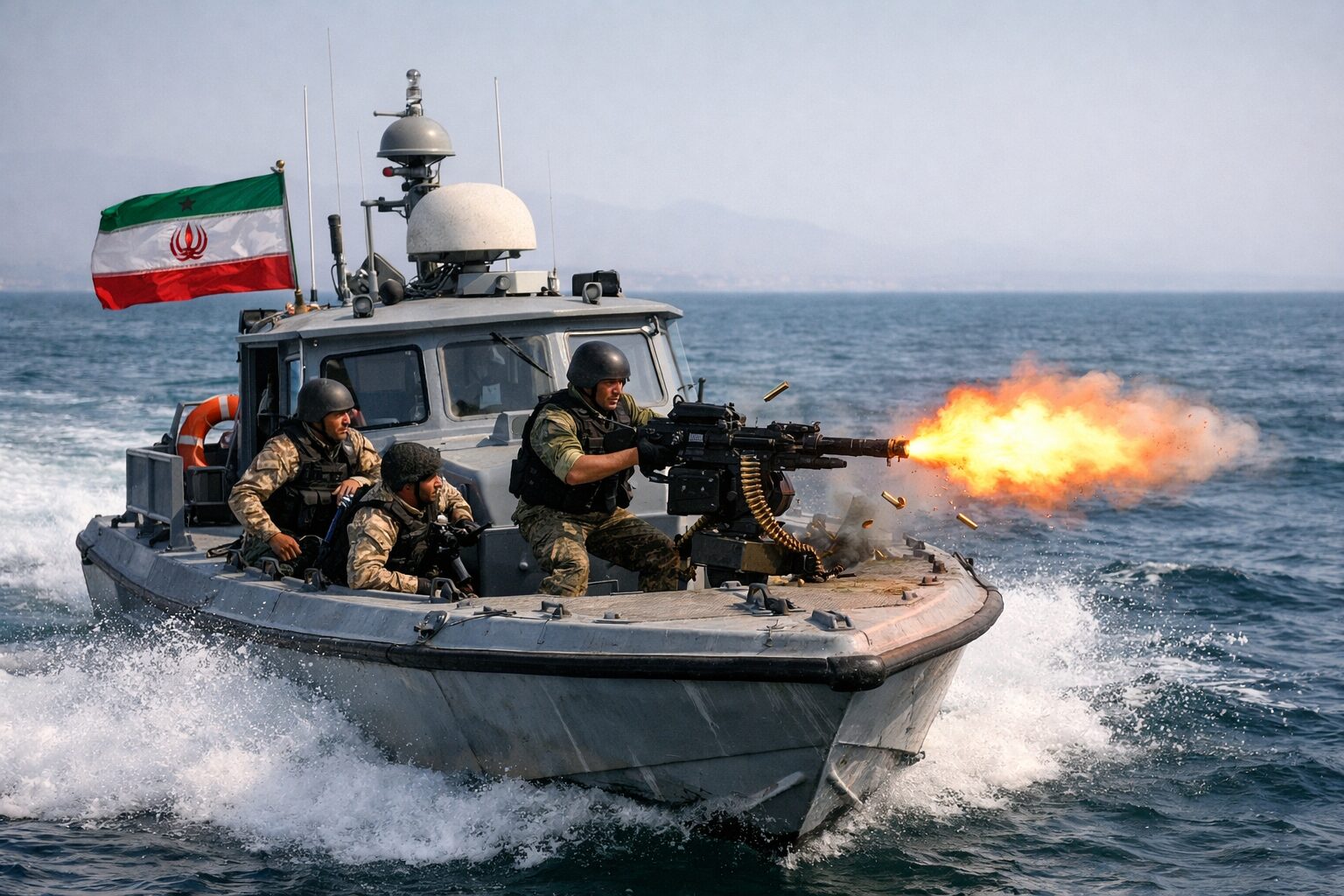
While Washington pundits and desk jockeys debate the “legality” or “scope” of the operation, the troops and commanders know the reality firsthand: the United States of America, under President Trump and War Secretary Pete Hegseth’s direction, demonstrated what decisive power projection looks like.
America didn’t just send messages—it sent missiles, and the results speak for themselves.
At the same time, Cooper refrained from speculating on how the Iranian crisis might deescalate diplomatically.
With Tehran still posturing and its leadership desperate to save face, the chances of a neat resolution appear slim. Yet one thing is abundantly clear—the days of Iran intimidating the world’s oil supply and leveraging terror proxies to attack Americans are over, for now.
“This is a significant degradation,” Cooper concluded. “They can’t produce, they can’t project, and they can’t prevail.” In other words: mission accomplished—for now. The world remains on edge, but the balance of power is once again solidly in America’s hands, where it belongs.
Join the Discussion
COMMENTS POLICY: We have no tolerance for messages of violence, racism, vulgarity, obscenity or other such discourteous behavior. Thank you for contributing to a respectful and useful online dialogue.