America’s armed forces face a deadly crisis they can’t seem to get ahead of, and a government watchdog just confirmed the obvious: no one in charge knows if the Pentagon’s suicide prevention training is working.
According to a new Government Accountability Office (GAO) report, the major service branches, Army, Navy, Air Force, and Marine Corps, each run their own programs to “teach” suicide awareness.
Yet, most have no system to track whether troops even complete the training or if it has any tangible effect.
After more than a decade of mandates, endless PowerPoint sessions, and bureaucratic promises, military suicides remain significantly higher than when tracking began in 2011.
MORE NEWS: Pentagon Confirms First Military Execution in Over 60 Years Will Be Publicly Livestreamed
In the GAO’s findings, 471 service members died by suicide in 2024. That’s fewer than the 523 reported in 2023, but still far above the 299 suicides recorded when the War Department first began collecting such data in 2011. A tragic pattern with no real progress to show.
Each branch manages its own prevention strategy. The Army’s “Ask, Care, Escort” model focuses on bystander intervention, a practice shared with the Air Force and National Guard Bureau.
The Marine Corps follows a more generalized “Think, Decide, Act” method. The Navy, alone, integrates firearm safety into its curriculum, a clear nod to reality given how many military suicides involve a service weapon.
The GAO report made one thing crystal clear: despite these efforts, there is little to no accountability.
Only the Air Force and National Guard actually track training completion, and even those metrics are riddled with “incomplete and inconsistent” data.
The Air Force, for example, admits it has no procedures for addressing those who never complete the required training. In other words, the military can’t even confirm whether tens of thousands of troops have ever received the lessons Washington claims are saving lives.
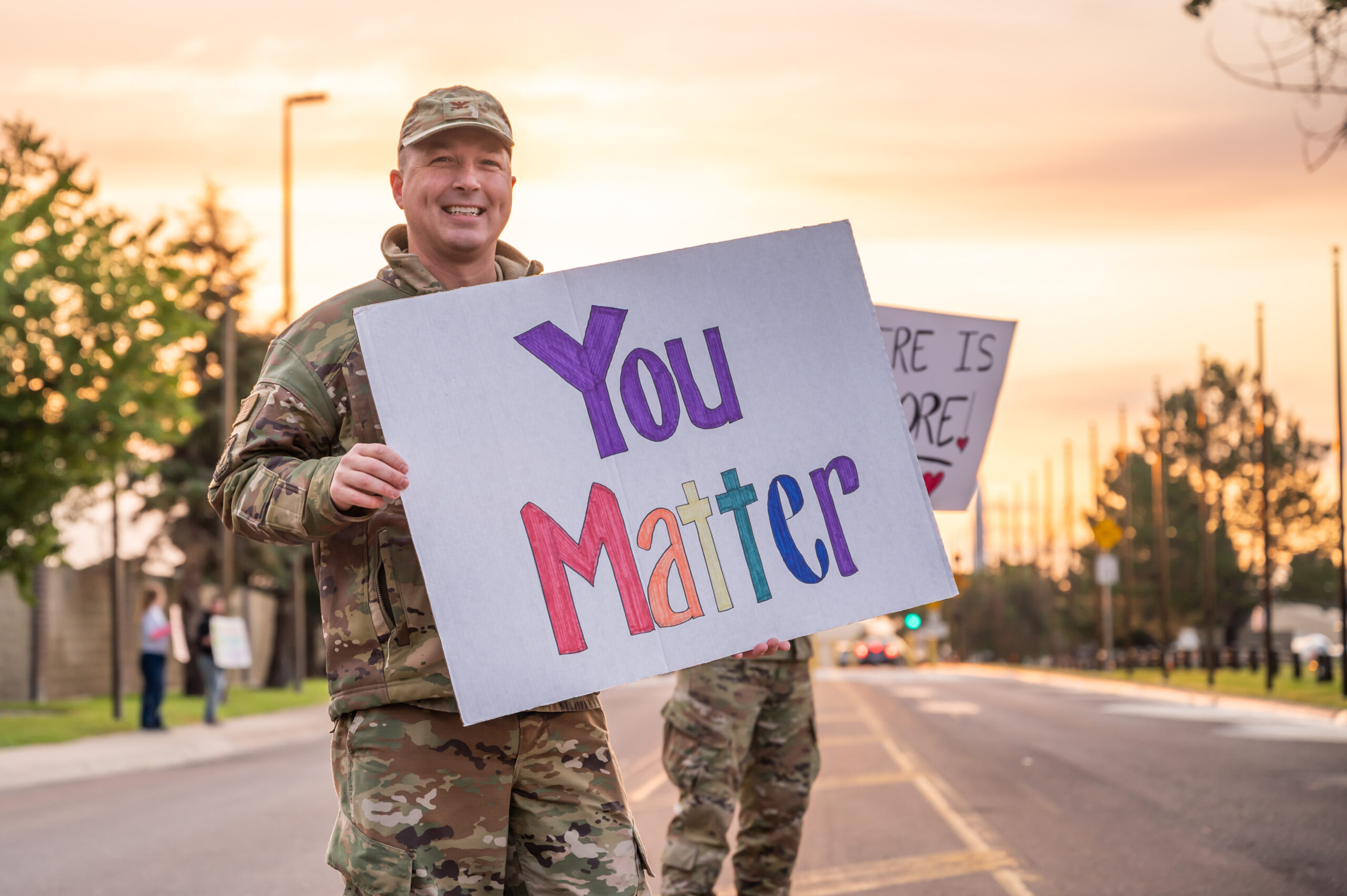
The report bluntly warned, “Until each of the military services takes steps to identify noncompletion... the services will not be able to fully ensure that training learning objectives are reaching military service members as intended.”
A polite bureaucratic way of saying the programs are falling flat.
Once the training is administered, there’s still almost no meaningful effort to test results. Most branches do post-training surveys or simplistic knowledge checks, but none meet the Pentagon’s own standards for measuring outcomes.
The Navy doesn’t even bother with those. Essentially, the military keeps running suicide prevention classes without knowing whether anyone learns anything, or if any of it saves lives.
The GAO’s audit also referenced War Secretary Pete Hegseth’s ongoing review of redundant training programs and their connection to “force lethality.”
According to findings cited by GAO, suicide prevention ranked fifth out of 18 in importance to overall lethality and third in terms of readiness.
Hegseth’s goal in this broader review is to ensure that the War Department’s vast network of trainings, from mental health to weapon proficiency, actually contribute to combat effectiveness rather than drown troops in bureaucratic busywork.
However, other federal panels have pushed back, claiming that suicide prevention training needs to remain separate and highly specialized.
It’s the kind of Beltway debate typical of Washington: endless studies, no action, no accountability. Meanwhile, service members continue taking their own lives while leadership debates PowerPoint slides.
This lack of urgency infuriates many in the ranks, especially as troops are smothered by countless other mandatory trainings on topics that have nothing to do with mission success.
Soldiers, sailors, airmen, and Marines spend hours on everything from climate briefings to pronoun awareness, but when it comes to fighting a real crisis like mental health and suicide, the system can’t even tell who’s finished the required training.
President Trump and Secretary Hegseth have both emphasized the need to restore warrior culture across the military, a culture that puts fighting strength, unit cohesion, and accountability first.
This GAO report shows how far the previous administration’s bureaucratic mindset still lingers, prioritizing paperwork over performance and metrics over men.
For years, military families have pleaded for changes that focus on leadership, community, and access to real help rather than checkbox policies.
Yet the Pentagon continues to churn out “awareness” programs that fail to measure outcomes or adapt to evidence. The bureaucrats congratulate themselves while the enlisted bear the cost.
No final decisions have been made yet on whether these fragmented trainings will be consolidated or restructured.
For now, all GAO recommendations remain open, agency-speak for “we’ll get around to it later.” It’s another reminder that under layers of command and committees, our troops are still waiting for Washington to take action that saves lives, not just fills binders.
Until the War Department prioritizes warrior readiness over administrative optics, this tragic pattern will continue. Suicide prevention must be treated as a mission, not a meeting.
America’s troops deserve leadership measured by results, not reports.
Are you feeling overwhelmed or hopeless right now? Have you been withdrawing from people or activities you usually enjoy? Are you having thoughts about hurting yourself, or feeling like things will never improve?
You do not have to handle those feelings alone. Support is available, and talking to someone can make a difference. You can reach out to the 988 Suicide & Crisis Lifeline by calling or texting 988, or by chatting online at 988lifeline.org. Trained counselors are available 24 hours a day to listen and help.
If you believe someone is in immediate danger, call emergency services right away. Even a small step, like reaching out to a trusted friend, family member, or professional, can help create a path forward.
Join the Discussion
COMMENTS POLICY: We have no tolerance for messages of violence, racism, vulgarity, obscenity or other such discourteous behavior. Thank you for contributing to a respectful and useful online dialogue.