Poland has officially joined the Pentagon’s expanding counter-drone marketplace, even as the Army unexpectedly called off a U.S. troop rotation to the country earlier this year—a move that raised eyebrows across NATO and stirred fresh debate about Biden-era force management in Eastern Europe.
The agreement, announced Wednesday, represents a continued deepening of Warsaw’s military partnership with Washington despite the confusing cancelation.
The counter-drone initiative, run out of the Pentagon’s Joint Interagency Task Force 401, gives key U.S. allies faster access to cutting-edge counter-unmanned systems technologies, essentially creating a streamlined war-tech marketplace designed to keep pace with rapidly evolving battlefield threats.
Army Secretary Dan Driscoll joined Poland’s Deputy Minister of National Defense, Paweł Zalewski, to sign the statement of intent. A smiling Driscoll posted a photo of the signing online, touting the collaboration as a major win for international defense coordination under the program.
The Army also confirmed that Australia and South Korea joined the marketplace this week, putting them in company with Britain and Romania. Each of these countries can now directly access proven, interoperable counter-drone capabilities through the platform, which has become a quiet backbone of allied defense in contested airspaces.
Maj. Matt Mellor, the lead acquisitions specialist for the task force, explained the goal in straightforward terms: “This partnership gives our allies and partners direct access to proven counter-drone technologies as we continue to expand the marketplace. Our mission includes working with international partners to aggregate demand for counter-drone capabilities.”
At the same time, the unexpected cancellation of a U.S. Army rotational deployment to Poland remains a lingering question that few at the Pentagon have bothered to explain.
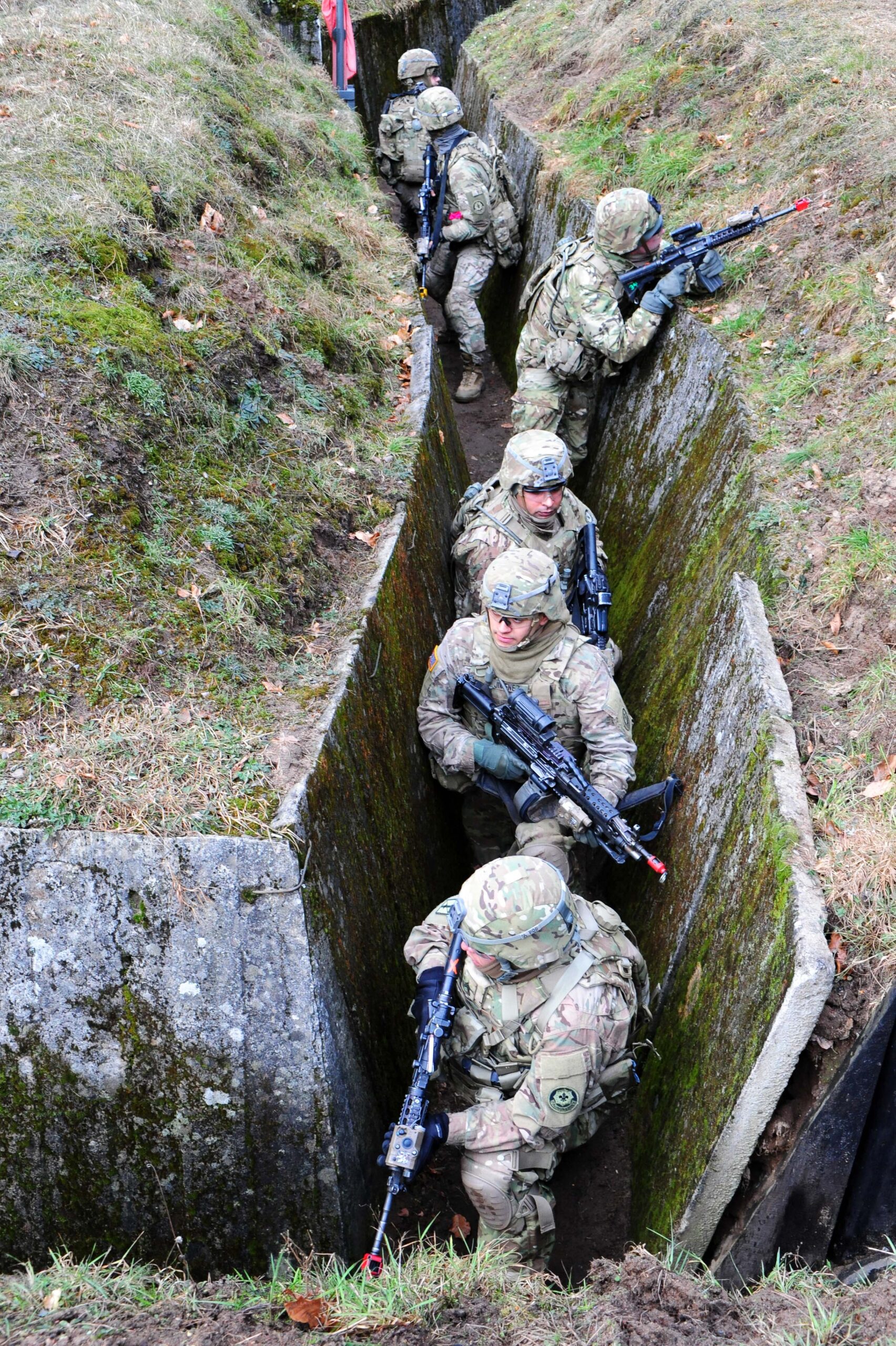
Earlier this year, the Army scrapped plans to send an armored brigade to Poland shortly after the administration announced it would withdraw around 5,000 troops from Germany—another puzzling adjustment in U.S. posture on NATO’s eastern flank.
Critics on Capitol Hill have not been quiet. Lawmakers from both sides of the aisle questioned why America appears to be stepping back from forward deterrence in Eastern Europe just as Russian forces continue pounding Ukrainian positions less than a few hundred miles from Polish territory.
Some called the timing “strategically incoherent” and accused Pentagon leadership of sending mixed messages to NATO partners who have banked heavily on U.S. stability commitments.
In Warsaw, the move was met with some disappointment but not surprise. Polish officials have made it clear they are determined to continue expanding their own military modernization programs with or without direct U.S. troop presence.
The decision to join the counter-drone marketplace may be part of a broader effort by Poland to lock in advanced technologies independently while strengthening interoperability with U.S. systems.
Since the launch of Joint Interagency Task Force 401 in 2025, the goal has been cutting red tape that slows down procurement and integration of critical technologies.
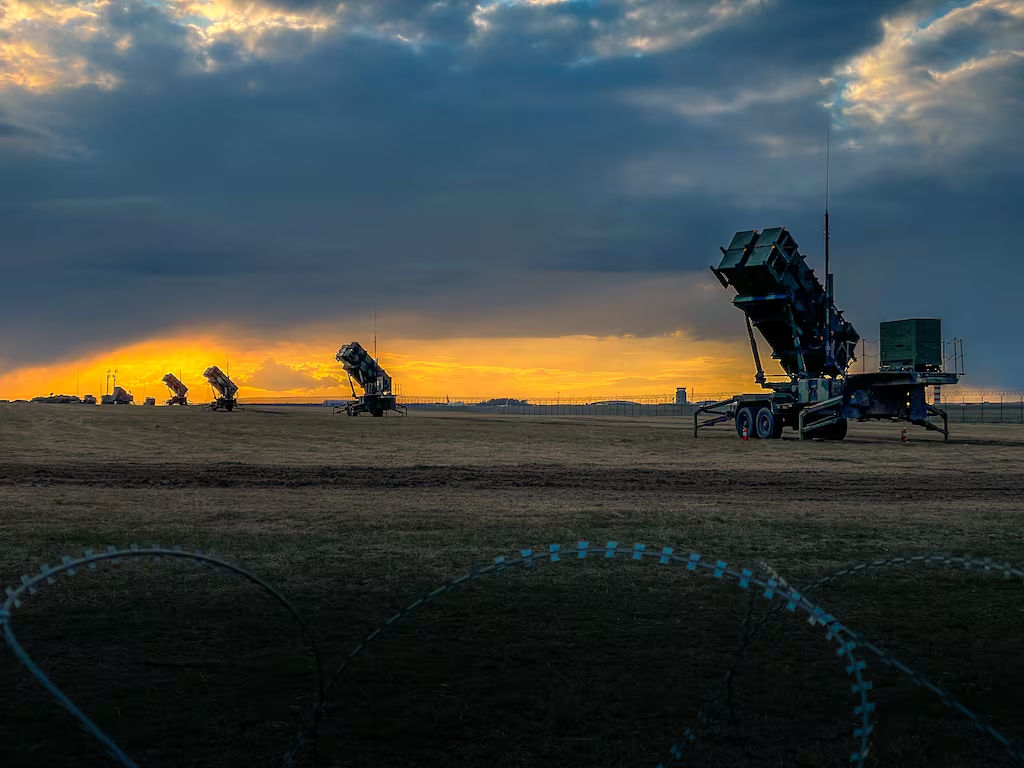
Partner nations can now bypass many layers of the bureaucratic fog that often delays defense acquisitions by years. For frontline nations such as Poland and Romania—both bordering regions threatened by Russian aggression—access to real-time counter-drone networks could prove decisive in any future crisis.
Analysts see the Polish participation as another example of how resilient NATO’s eastern members have become in recent years.
While America might be sending mixed signals about troop deployments, the underlying cooperation in military tech and information sharing continues to grow. The marketplace approach creates a web of joint deterrence, ensuring that allied nations facing constant surveillance and drone incursions can respond faster with integrated systems.
Still, the abrupt cancellation of the U.S. deployment underscores how reactive and uncertain Pentagon planning can appear under current leadership.
Many observers argue that the continued shuffle of forces around Europe sends the wrong message to adversaries who pay close attention to consistency and presence. Poland, one of the most steadfast U.S. allies on the continent, remains in a watchful waiting posture, investing heavily in its own defense while balancing expectations of steady American support.
As for the marketplace itself, officials say it will expand again later this year to include several Baltic partners and potentially Canada.
The Army and War Department leadership continue to emphasize speed, coordination, and field-tested capability as the only way to counter the cheap and plentiful drone threats increasingly flooding today’s battlefields.
Whether this cooperative technology strategy compensates for the loss of rotational troops remains to be seen.
For now, Warsaw seems willing to keep moving forward with Washington, even as questions swirl about why the Army pulled back in the first place.
The counter-drone deal might be a positive headline, but the quiet cancellation behind it still raises alarms about what’s really guiding American military priorities abroad.
Join the Discussion
COMMENTS POLICY: We have no tolerance for messages of violence, racism, vulgarity, obscenity or other such discourteous behavior. Thank you for contributing to a respectful and useful online dialogue.