After nearly twenty years of experimentation and controversy, the U.S. Navy has officially turned a page in its surface fleet history.
On the shores of Lake Erie this weekend, sailors, shipbuilders, and dignitaries gathered to commission the USS Cleveland, marking the end of the Navy’s littoral combat ship saga.
The USS Cleveland stands as the 16th and final Freedom-class ship. Stretching 378 feet long and manned by a crew of roughly 90 sailors, the sleek vessel was welcomed into service with pride and ceremony.
On paper, the newest Freedom-class warship comes equipped for speed and flexibility, yet in practice it symbolizes the Navy’s missteps in shipbuilding strategy over the last two decades.
MORE NEWS: Pentagon Confirms First Military Execution in Over 60 Years Will Be Publicly Livestreamed
Commander Bruce Hallett, the ship’s commanding officer, led the ceremony with energy and gratitude for his crew. “You are not simply serving aboard this ship,” Hallett told them.
“You are writing the first chapter of her history. You are forging a legacy that will endure long after all of us have left these decks.”
The words were stirring, but behind them was an unmistakable subtext — this was also the end of the line for a program once touted as the future of naval warfare.
When the Navy first conceived the littoral combat ship in the early 2000s, the idea was bold.
The service wanted fast, agile warships to operate close to shorelines, deliver special operations forces, and carry out counter-piracy or anti-smuggling missions.
The ships would deploy helicopters, command support craft, and swap out mission modules for different tasks. It sounded revolutionary on paper.
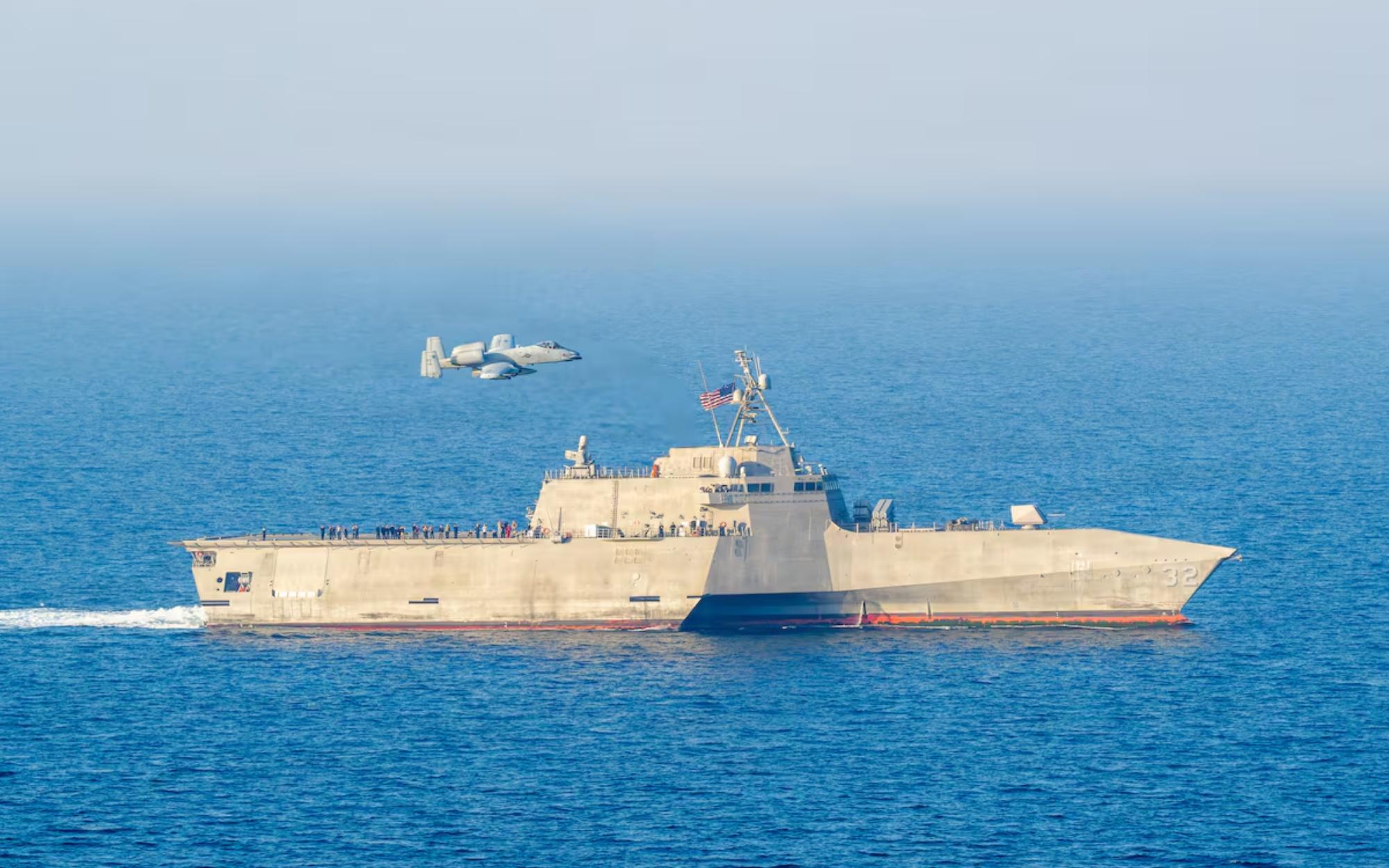
Reality hit the fleet much harder. The program delivered two variants, the Independence class and the Freedom class, but the promise of flexibility turned into a logistical and mechanical nightmare. Constant powertrain breakdowns, high maintenance costs, and limited firepower left many sailors frustrated.
By the time the first ships were commissioned in 2008, the Navy’s strategic focus had already shifted from shallow-water operations to confronting China and other peer adversaries across the Pacific. That new focus demanded destroyers and submarines, not close-shore speedboats with teeth that barely bit.
Despite billions spent, the littoral combat ship became the Navy’s white elephant, too costly to ignore, too flawed to field, and too politically tangled to cancel outright.
Successive administrations stumbled over what to do with them. Some ships barely hit ten years before early retirement.
Even so, a handful of these small but fast ships have found niche roles in drug enforcement and mine countermeasure missions, particularly in the Persian Gulf.
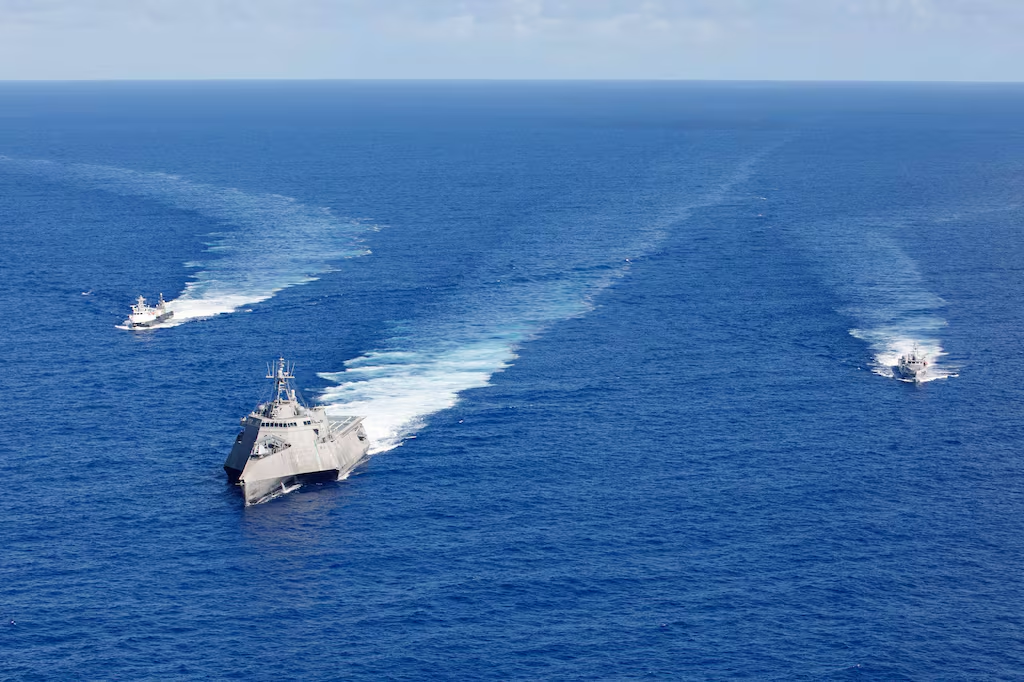
Several of the early hulls have already been mothballed, and now the USS Cleveland represents the program’s last gasp. While crew and command are no doubt proud of their new vessel, the broader fleet looks at it as more a bookend than a breakthrough.
Even within the Navy, many officers quietly admit these ships failed to live up to expectations and never delivered the survivability or punch required for serious maritime combat.
The decision to homeport the USS Cleveland at Naval Station Mayport, Florida, underscores that reality. It will be another small addition to the Navy’s coastal roster rather than a frontline combat asset.
Still, the ship carries the weight of history as the fourth vessel to bear the city’s name, following predecessors that served from World War I through Vietnam, all with far more distinguished combat records.
For the Freedom-class, this is the closing act of a story defined as much by ambition as it is by disappointment.
The Navy now turns its focus toward building larger, more capable warships like the Constellation-class frigates and the next-generation destroyers fit for high-end conflict.
The shift signals a return to America’s maritime roots — strength through size, deterrence through power projection, and readiness for real war, not just coastal skirmishes.
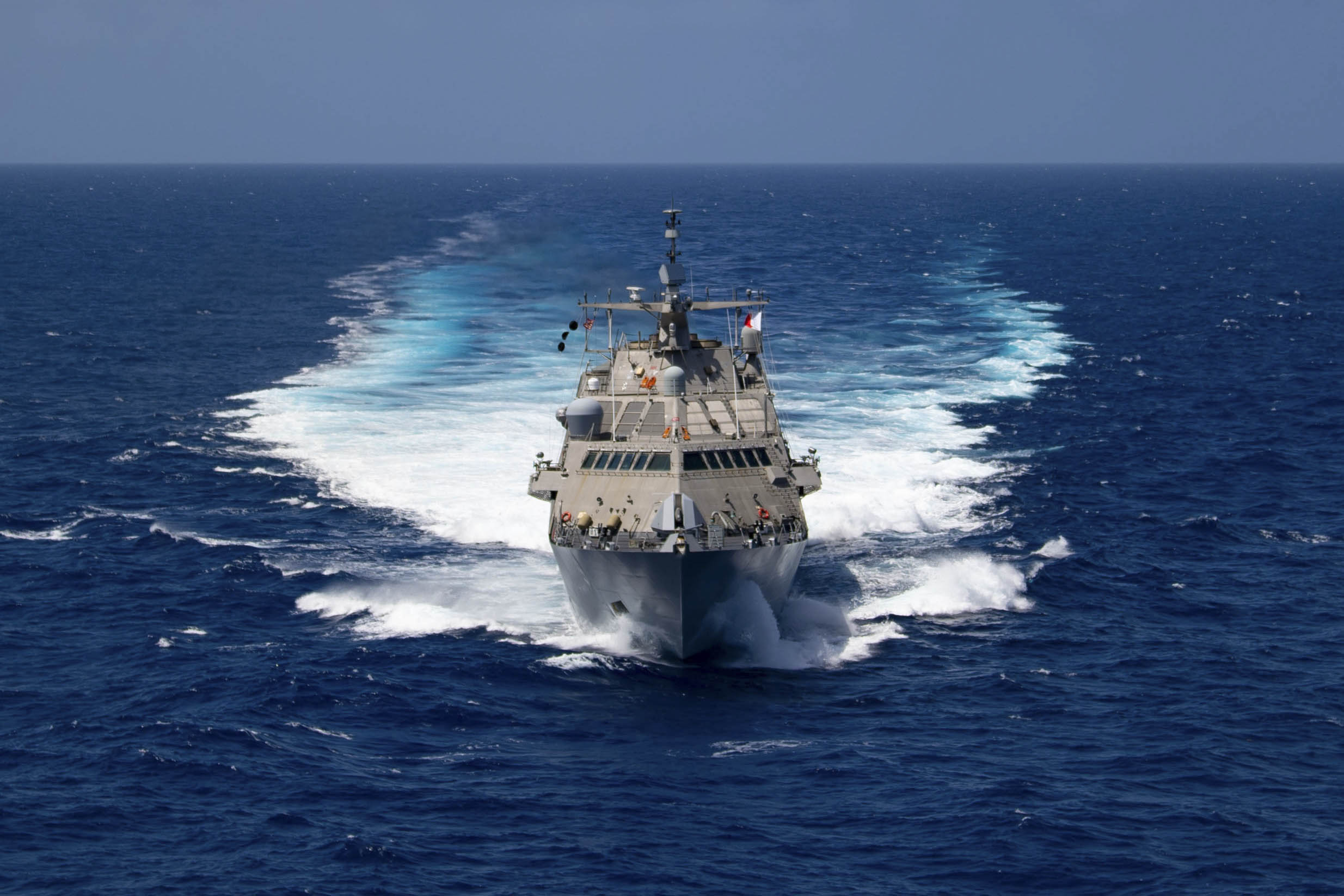
In hindsight, many warfighters see the littoral combat ship experiment as a costly diversion, one that drained billions while delivering limited capability.
Critics both inside and outside the Navy haven’t minced words, calling the fleet “undergunned,” “underbuilt,” and a “maintenance hostage.”
After years of mechanical failures, redesigns, and reassignments, the commissioning of the USS Cleveland felt more like a controlled landing than a new liftoff.
Even so, the sailors aboard will make the best of their new home at sea, as they always do.
The crew will write its own chapter, even if the story started with a flawed blueprint. And for the Navy brass, this moment is both a salute to the builders and a quiet farewell to an era of wishful shipbuilding.
The USS Cleveland now joins the watch, officially closing the book on the littoral combat ship program.
The next chapter belongs to the warfighters who know America’s true edge lies not in buzzwords or coastal concepts but in hard steel, tough sailors, and leadership unafraid to move on.
Join the Discussion
COMMENTS POLICY: We have no tolerance for messages of violence, racism, vulgarity, obscenity or other such discourteous behavior. Thank you for contributing to a respectful and useful online dialogue.