U.S. military leaders in Hawaii this week delivered a blunt message that should resonate from shipyards to supply chains across the Indo-Pacific: peace requires power, and power requires production.
At the 2026 Land Forces Pacific Symposium in Honolulu, Gen. Xavier Brunson, commander of United Nations Command, ROK/U.S. Combined Forces Command, and U.S. Forces Korea, made it clear that without a fully engaged industrial engine and serious burden sharing from allies, the region’s security will crack under its own weight.
Brunson called this alignment of national defense industries, logistics, and allied cooperation “the ultimate guardian of peace,” underscoring what he described as a “fortress” model of deterrence.
His language evoked a vision not of soft diplomacy but of hardened readiness—one where the arsenal matters as much as the strategy.
MORE NEWS: Pentagon Confirms First Military Execution in Over 60 Years Will Be Publicly Livestreamed
“Sustainment is not the tail,” Brunson declared early in his remarks. “It’s the teeth of our deterrence. Strategic concepts only survive as long as they are backed by industrial endurance.”
He pointed to the “fortress chain” concept—an interconnected defense posture stretching across Indo-Pacific allies that share both the responsibility and the costs of deterrence.
The idea is simple but critical: keep combat power and repair infrastructure close to where the fight may be, rather than shuttling it back and forth across oceans.
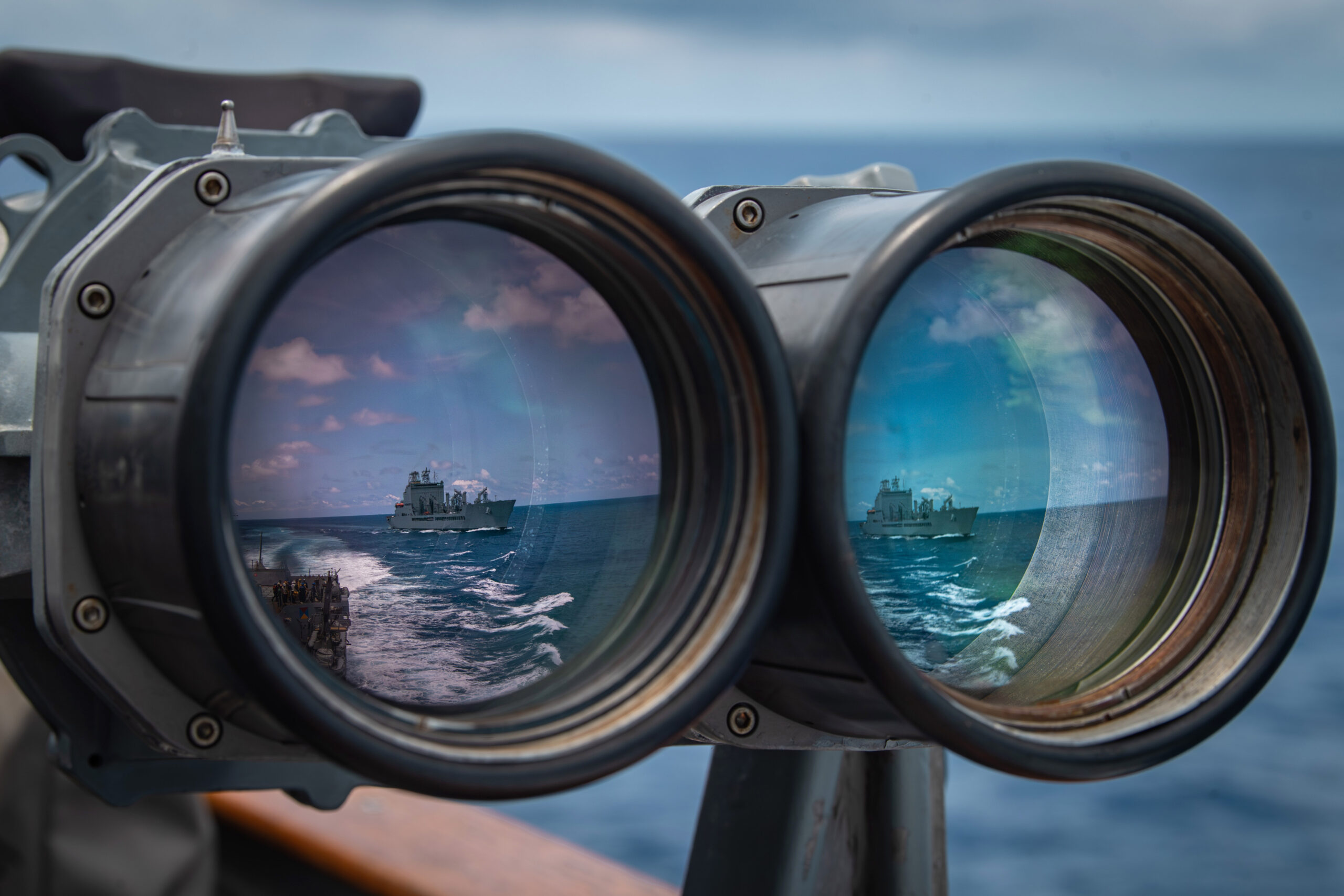
Brunson highlighted South Korea’s recent shipyard work as a model example. Korean facilities have successfully overhauled major U.S. Navy supply ships such as the USNS Wally Schirra and Cesar Chavez, with more maintenance projects already on the way.
“That is the operational blueprint,” Brunson said. “We cannot shuttle broken equipment across an ocean for repair while an adversary evolves on our doorstep.”
That kind of partnership, he argued, “complicates every adversary calculation.” And with China flexing its navy and North Korea firing off provocations, complicating the enemy’s math is exactly the point.
The Trump administration’s ongoing push for America’s allies to take greater financial and logistical responsibility for their own defense has seen real movement across the globe.
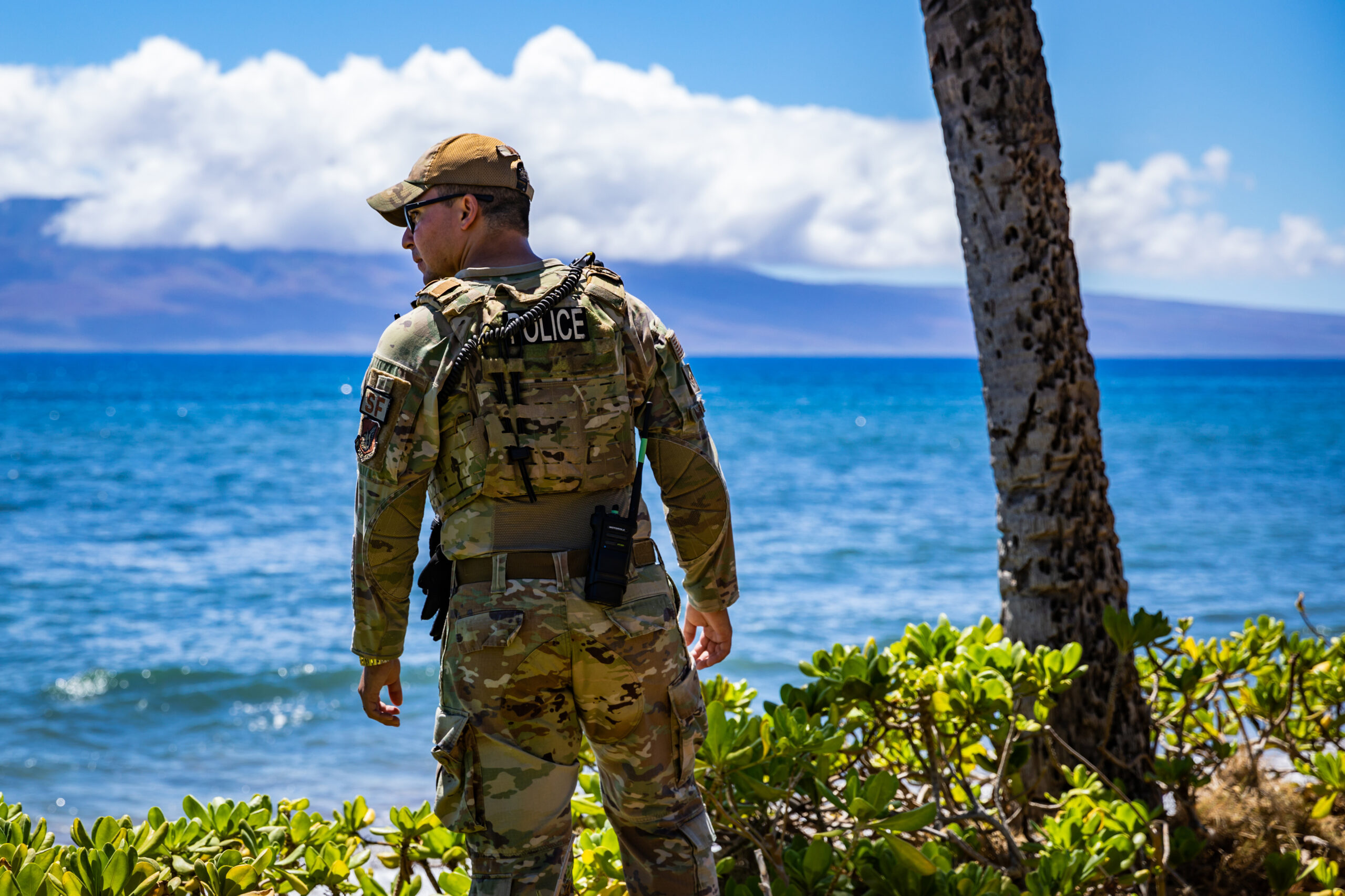
In 2025, European defense budgets spiked by 14 percent to $864 billion.
The upward trend extended into Asia too, with Japan boosting military spending by 9.7 percent and Taiwan by an eye-catching 14 percent.
Diego Lopes da Silva of the Stockholm International Peace Research Institute admitted that this regional surge is being driven not just by rising geopolitical tensions but by “pressure from the Trump administration” for partner nations to finally pay their share.
Conservatives have long demanded exactly that—every ally pulling its own weight rather than leaving the U.S. taxpayer holding the tab.
Brunson praised South Korea as proof of this new reality, calling the nation a “producer of security” rather than a “consumer.”

Seoul is slated to raise its defense spending to 3.5 percent of GDP, putting it in elite company among the world’s top contributors to collective defense.
Evidence of that shared burden was on full display during the massive Exercise Balikatan 2026, the biggest annual U.S.-Philippines military drill.
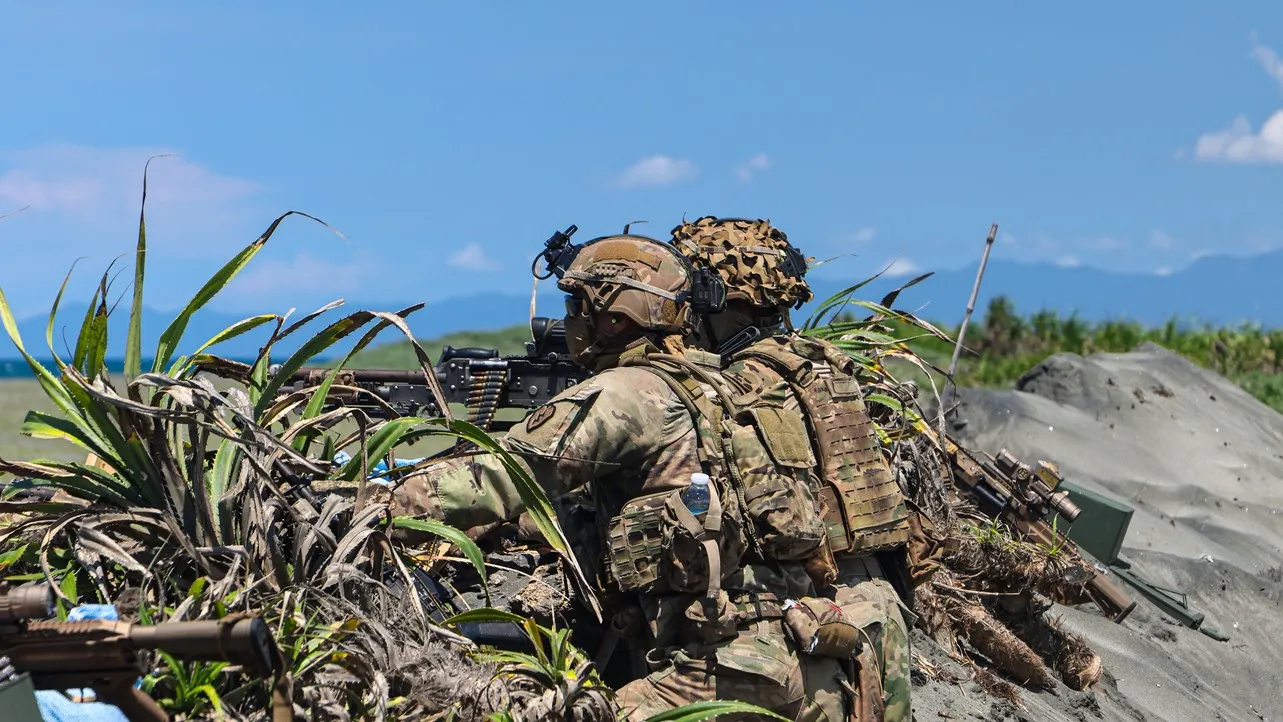
What once was a bilateral event became a multinational mission rehearsal this year, with forces from Australia, Japan, New Zealand, France, and Canada all participating directly on Philippine soil.
Adm. Samuel Paparo, commander of U.S. Indo-Pacific Command, described the exercise as “a strategic evolution from a bilateral exercise to a full-scale, multinational mission rehearsal for the defense of the Philippines.”
He added, “That growth reflects the security environment. It reflects the sovereign choices of free nations.” That sentiment aligned perfectly with Brunson’s earlier call for a collective “fortress chain.”
The message coming out of Hawaii was unmistakable: America and its allies must act as one well-oiled, industrially ready military organism—or watch authoritarian adversaries exploit any weakness.
The new battlefront is no longer just about planes and ships but about entire economies set to sustain wartime production for years, not months.
Brunson’s remarks ring true in an era when logistics and industrial capacity have become as decisive as combat power. The lesson from Ukraine to the Taiwan Strait is identical: only those who can sustain the fight can survive it.
Allies in the Indo-Pacific are finally responding to that reality, spurred on by a White House willing to demand accountability and results.
With Secretary of War Pete Hegseth driving revitalization of America’s industrial base and President Trump once again setting the tone on global deterrence, the United States appears intent on ensuring that peace in the Pacific is backed by factories humming at full tilt.
It’s a renewed formula for lasting peace through strength—the kind that doesn’t rely on wishful thinking or hollow threats, but on hard steel, shared resolve, and the unmistakable message that freedom is fortified, not negotiated.
Join the Discussion
COMMENTS POLICY: We have no tolerance for messages of violence, racism, vulgarity, obscenity or other such discourteous behavior. Thank you for contributing to a respectful and useful online dialogue.