The price of America’s fight to crush Iranian aggression just climbed again, and the Pentagon is asking Congress for the resources to stay ahead of the adversary.
Senior War Department officials appeared on Capitol Hill this week, revealing that U.S. operations in the Iran conflict have now cost $29 billion, up from $25 billion only two weeks ago.
According to Acting Comptroller Jules Hurst III, the leap reflects new repair and replacement costs for equipment, along with steady operational expenses that come from sustaining large-scale deployments.
He also stressed that the numbers don’t even factor in the price tag for damaged installations across the Middle East.
MORE NEWS: Pentagon Confirms First Military Execution in Over 60 Years Will Be Publicly Livestreamed
“We have a lot of unknowns there,” Hurst told lawmakers.
“We don’t know what our future posture is going to be. We don’t know how we construct those bases, and we don’t know what part our allies or partners could pay into our MILCON costs.”
That fog of uncertainty comes as the region hangs in a delicate ceasefire, one that could fall apart at any moment. President Donald Trump has flatly rejected Tehran’s latest so-called peace offer, calling it “garbage,” which it obviously was.
Hours later, a blustering Iranian parliamentary speaker promised that Tehran would “deliver a lesson-teaching response” to any aggression.
Trump isn’t buying their theatrics, especially after weeks of Iranian provocations near the Strait of Hormuz. Despite the declared truce, the mullah regime continues to lob missiles, drones, and speedboats toward U.S. ships.
America’s response has been quick and firm, precision strikes on Iranian military facilities have clearly communicated that the days of appeasement are over.
Secretary of War Pete Hegseth, testifying before lawmakers, said the situation remains fluid but fully under control.

“As you know, for the most part, ceasefire means fire is ceasing,” Hegseth quipped, reminding Congress that both escalation and withdrawal plans are ready to go depending on the commander in chief’s orders.
Hegseth also outlined the status of Project Freedom, a one-day operation in which U.S. warships and aircraft shepherded civilian tankers through the Strait of Hormuz.
The mission is currently “paused,” but the War Secretary made it clear that it can be resumed the moment President Trump gives the word.
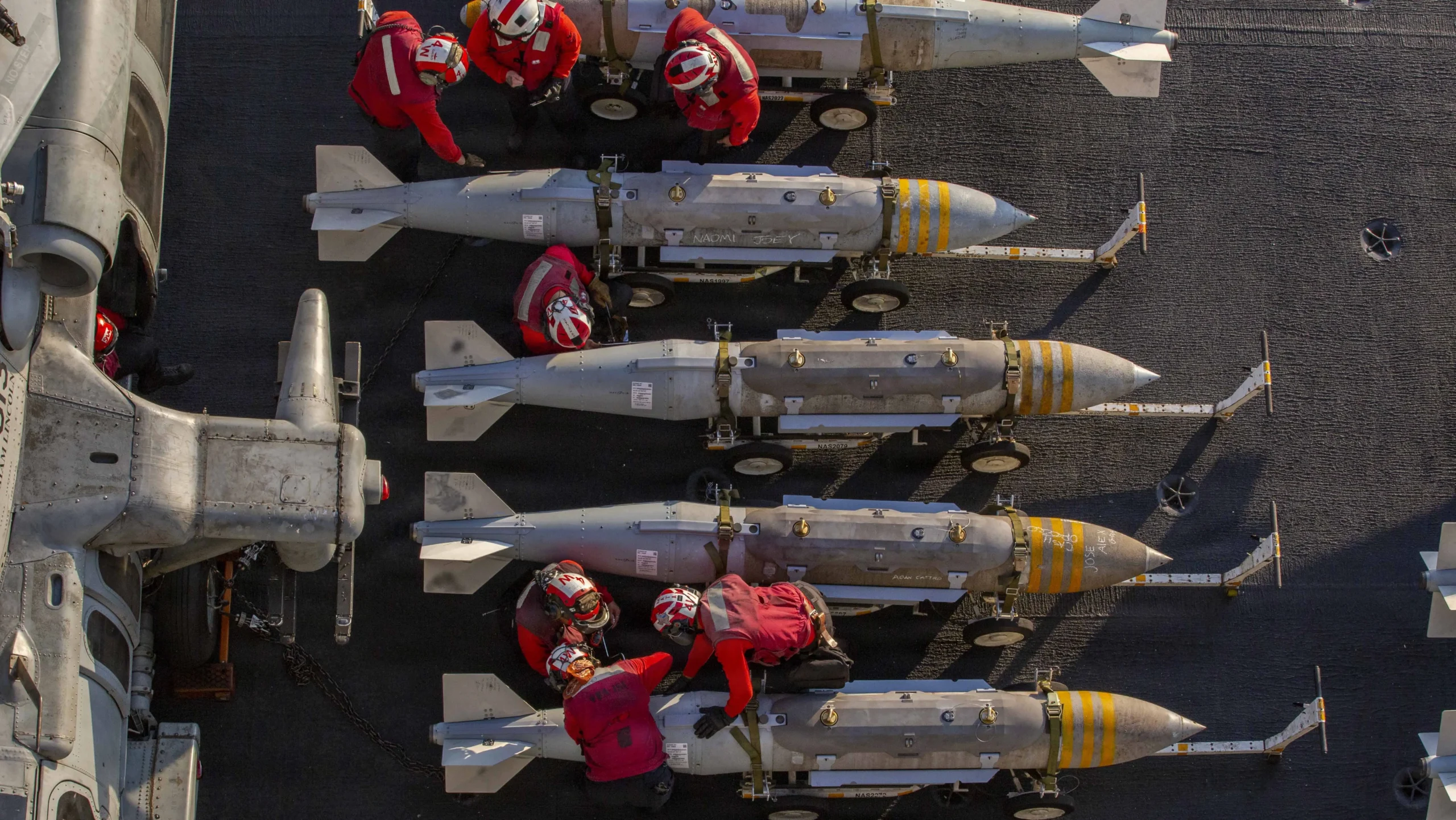
Alongside Hegseth, Gen. Dan Caine, chairman of the Joint Chiefs of Staff, pushed back on what the administration calls “lazy Beltway panic” about potential munitions shortages.
Some in Washington have been quick to assume that Operation Epic Fury, a campaign of relentless air and naval strikes on Iranian military targets, has exhausted America’s warfighting reserves. Both Hegseth and Caine shot that narrative down hard.
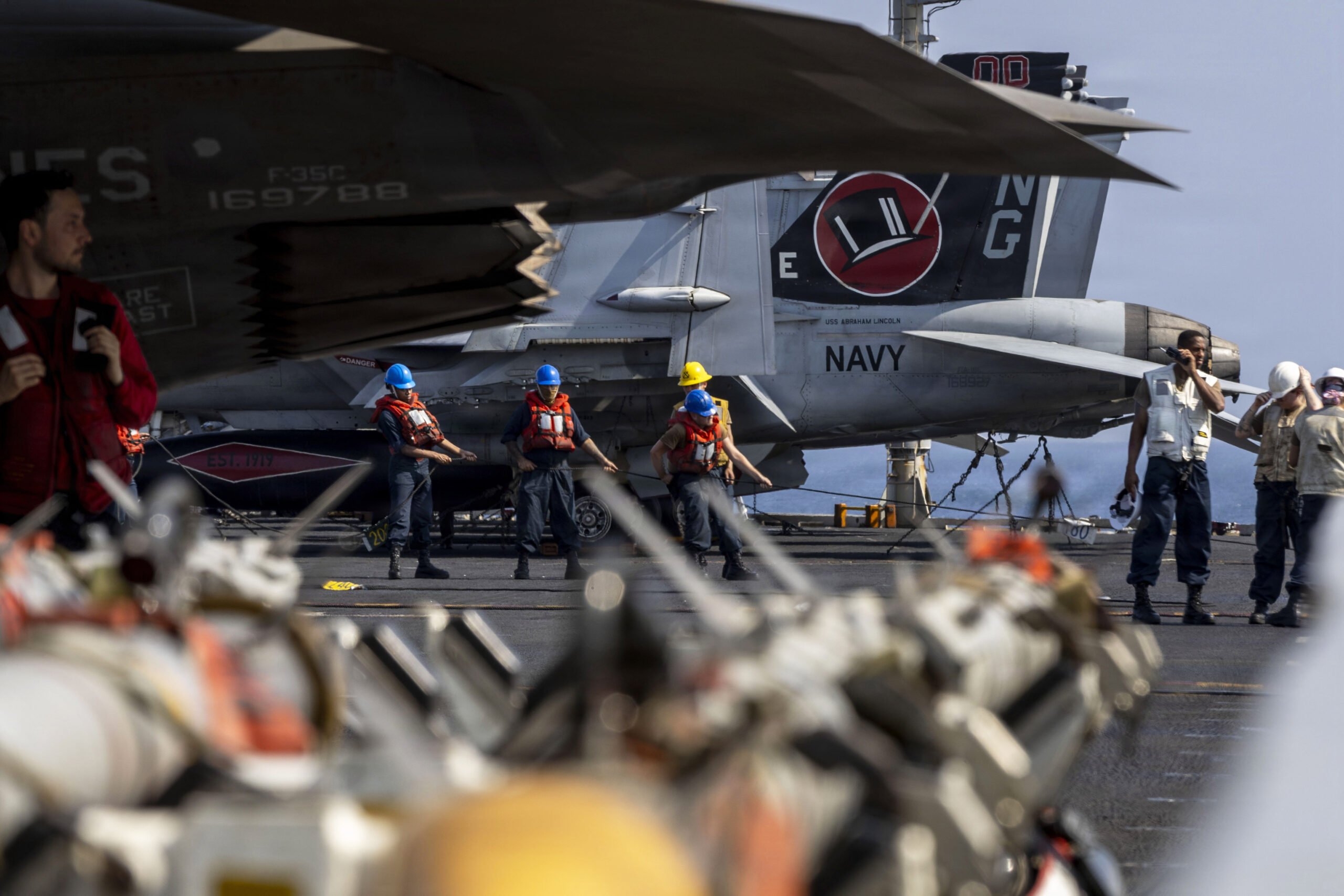
“I take issue with the characterization that munitions are depleted in a public forum, that’s not true,” said Hegseth.
“We have all the munitions needed to execute what we need to execute, and we’re going to ensure that we supercharge that going into the future.” In other words: no one’s running out of ammo — not on Hegseth’s watch.
Gen. Caine reinforced that message, assuring lawmakers that U.S. forces have exactly what they need.
“We have sufficient munitions for what we’re tasked to do right now,” he stated, adding pointedly that every combatant commander has echoed the same assessment.
“We’re always going to want more munitions,” he added, a statement that drew knowing smiles from the room.
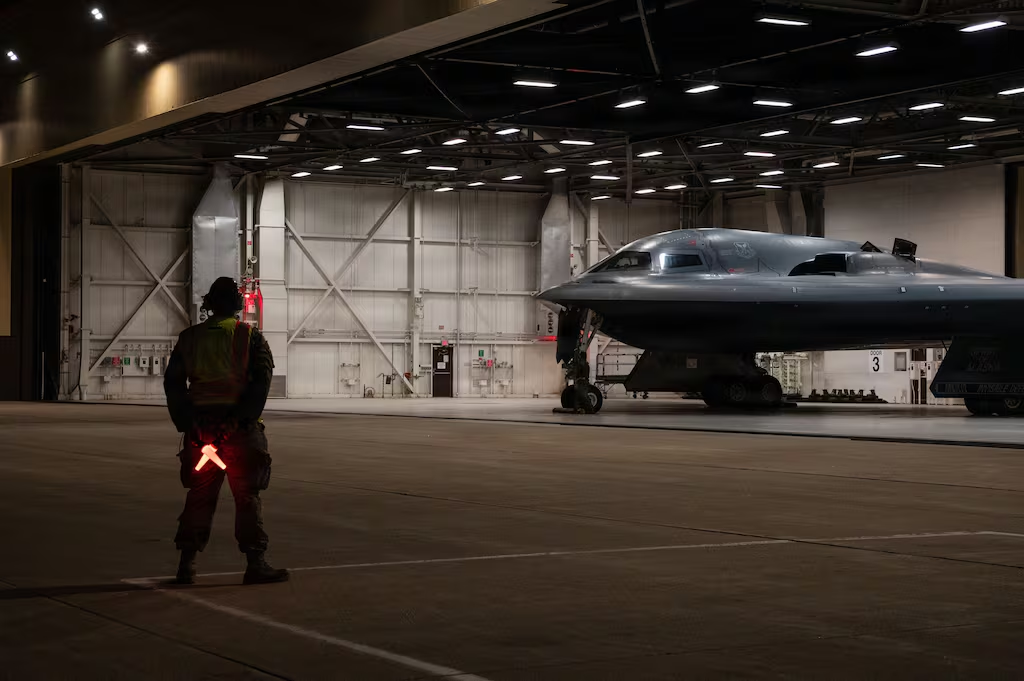
The appearance by Hegseth, Caine, and Hurst represented a united front in pressing Congress for additional war funding.
The dual request covers the annual operating budget and an emergency allocation aimed at replenishing weapons stockpiles used in the Iran fight.
Both men emphasized that maintaining America’s firepower edge is essential not only in Iran but globally, as rivals in Beijing and Moscow watch every move.
While the total cost of war has now exceeded $29 billion, the Trump administration argues that strength is far cheaper than weakness. The former approach costs resources; the latter costs lives.
Hegseth, who has never been shy about his belief that America wins by fighting to win, reminded lawmakers that retreating from the fight only invites more chaos.
On the Hill, the atmosphere was tense but determined. Several lawmakers called for greater oversight of spending, but most recognized the necessity of providing what our troops need to keep Iran in check.
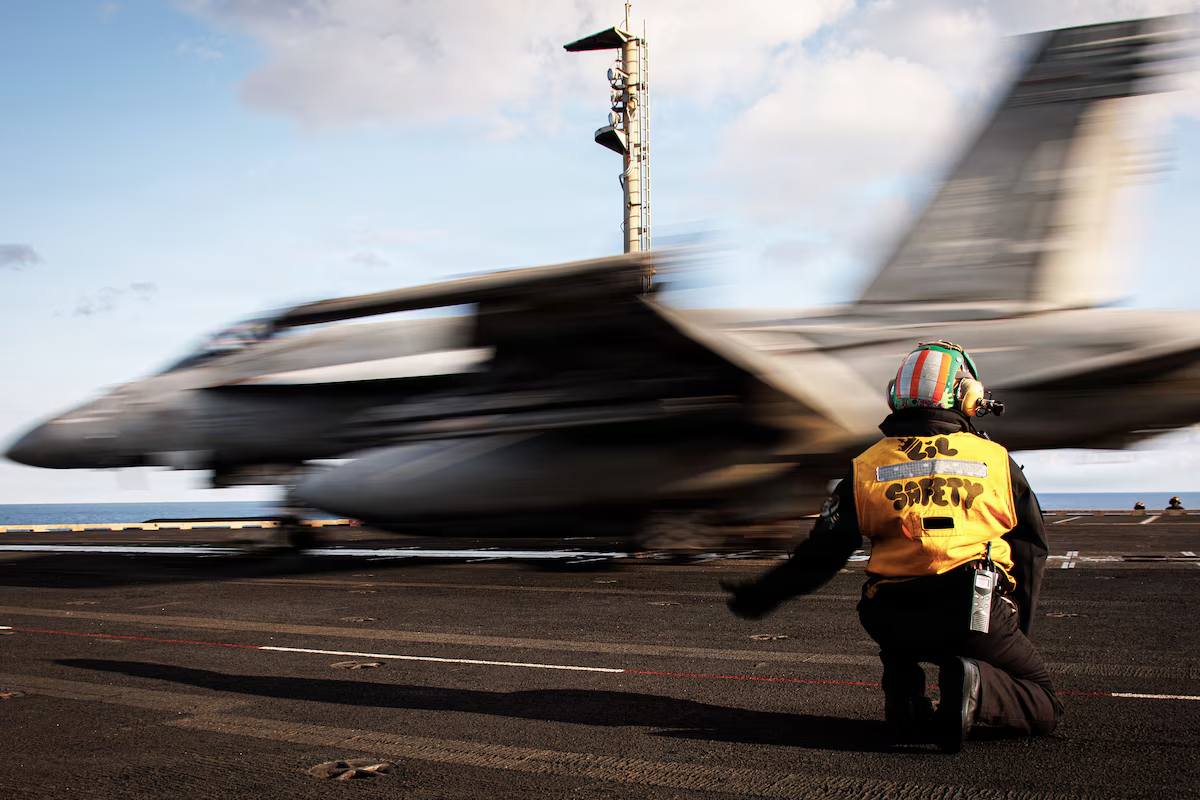
There’s bipartisan fatigue over foreign conflicts, but as several members noted, America can’t afford to signal hesitation while Iran’s missiles are still flying.
As the hearings wrapped up, one thing was clear: nobody in the War Department is blinking. The mission continues, the strategy remains firm, and the priority is unmistakable, peace through strength, backed by overwhelming American firepower.
If Iran’s regime wants to test U.S. resolve again, Hegseth and his warfighters are more than ready to end the lesson before it starts.
Join the Discussion
COMMENTS POLICY: We have no tolerance for messages of violence, racism, vulgarity, obscenity or other such discourteous behavior. Thank you for contributing to a respectful and useful online dialogue.
It is still less expensive to the taxpayers than all the illegals that biden let in.
Isn’t it over $500,000,000,000 we have to Ukraine