The Trump administration is set to deliver a message to NATO allies this week that reflects a long-overdue shift in how the United States approaches Europe's security.
According to multiple sources familiar with the discussions, Washington will outline plans to reduce the military forces it keeps available for NATO during wartime or crises, signaling that the era of unbalanced burden-sharing may finally be coming to an end.
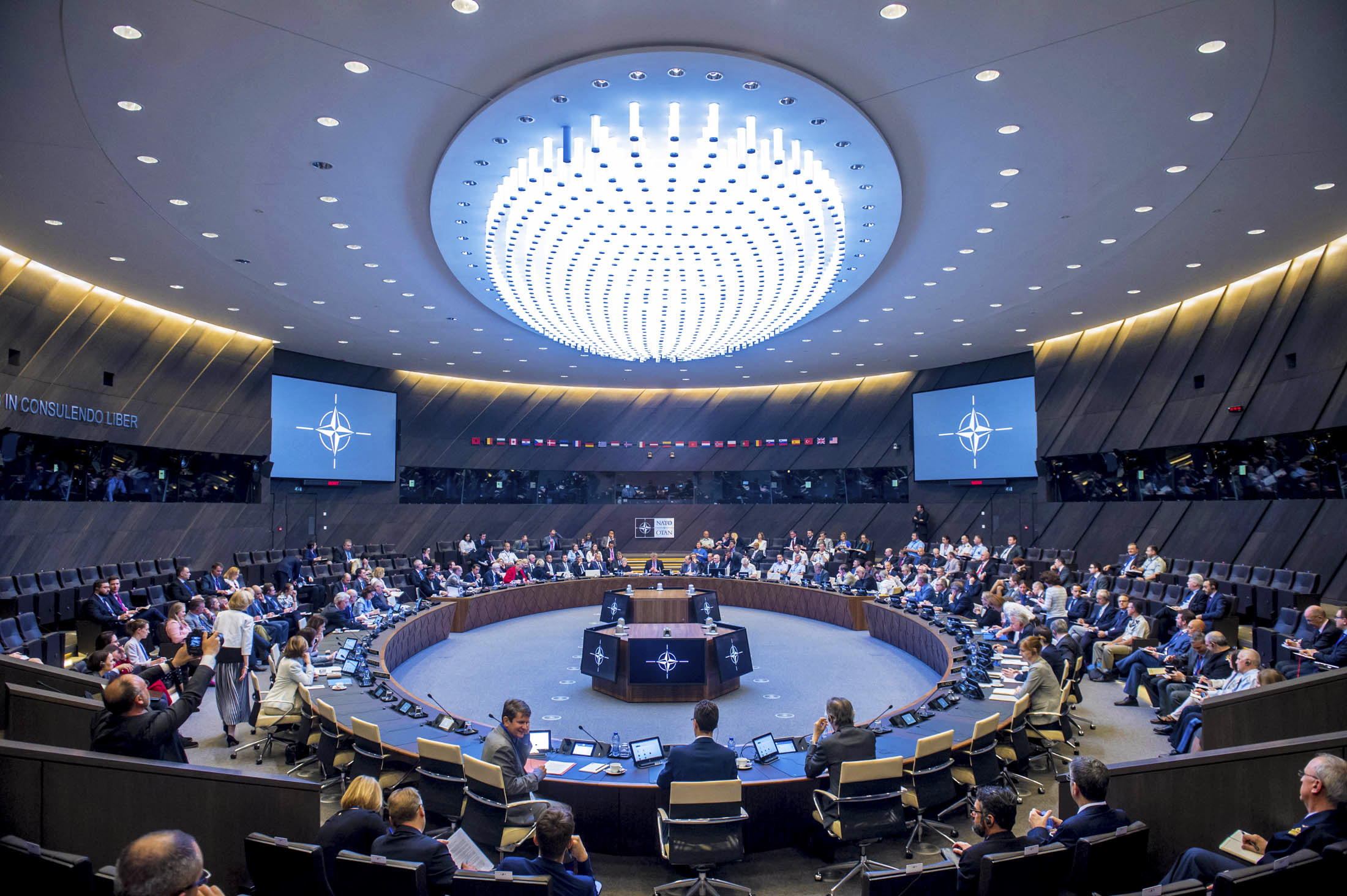
Under the current NATO Force Model, each member nation contributes specific military assets to a collective pool that could be activated during a major emergency, such as an armed attack on a NATO ally.
While the details are kept highly classified, insiders say the War Department has made the call to significantly scale back America’s contribution to that force pool.
MORE NEWS: Pentagon Confirms First Military Execution in Over 60 Years Will Be Publicly Livestreamed
President Donald Trump has been clear from day one: Europe must take primary responsibility for its own defense.
After decades of coasting under the umbrella of American protection, European governments are being told that the free ride is over. The latest move from Washington is a clear sign that the administration means exactly what it says.
It remains unclear how this strategic rebalancing will unfold or how quickly the shift will take effect.
However, sources report that the intention to reduce the American crisis force pool will be officially presented at a meeting of NATO defense policy chiefs in Brussels on Friday.
War Department policy chief Elbridge Colby has publicly stated that the United States will maintain its extended nuclear deterrent to protect NATO members, even as Europe assumes more responsibility for its conventional military posture.
In other words, Washington will keep the nuclear shield, but it’s time for Europe to field more boots and tanks.
Representing the United States at the upcoming NATO session will likely be Alex Velez-Green, a top aide to Colby. Adjusting the NATO Force Model has been a strategic focus for Colby’s team as they prepare for the next NATO leaders’ summit scheduled for July in Turkey.
Officials close to the matter say the changes are designed to align U.S. commitments with the principle that allies must meet their own defense obligations.
NATO officials have, predictably, been cautious in their response, referring all questions back to Washington. The War Department has declined to comment publicly, leaving observers to piece together the contours of this pending shift.
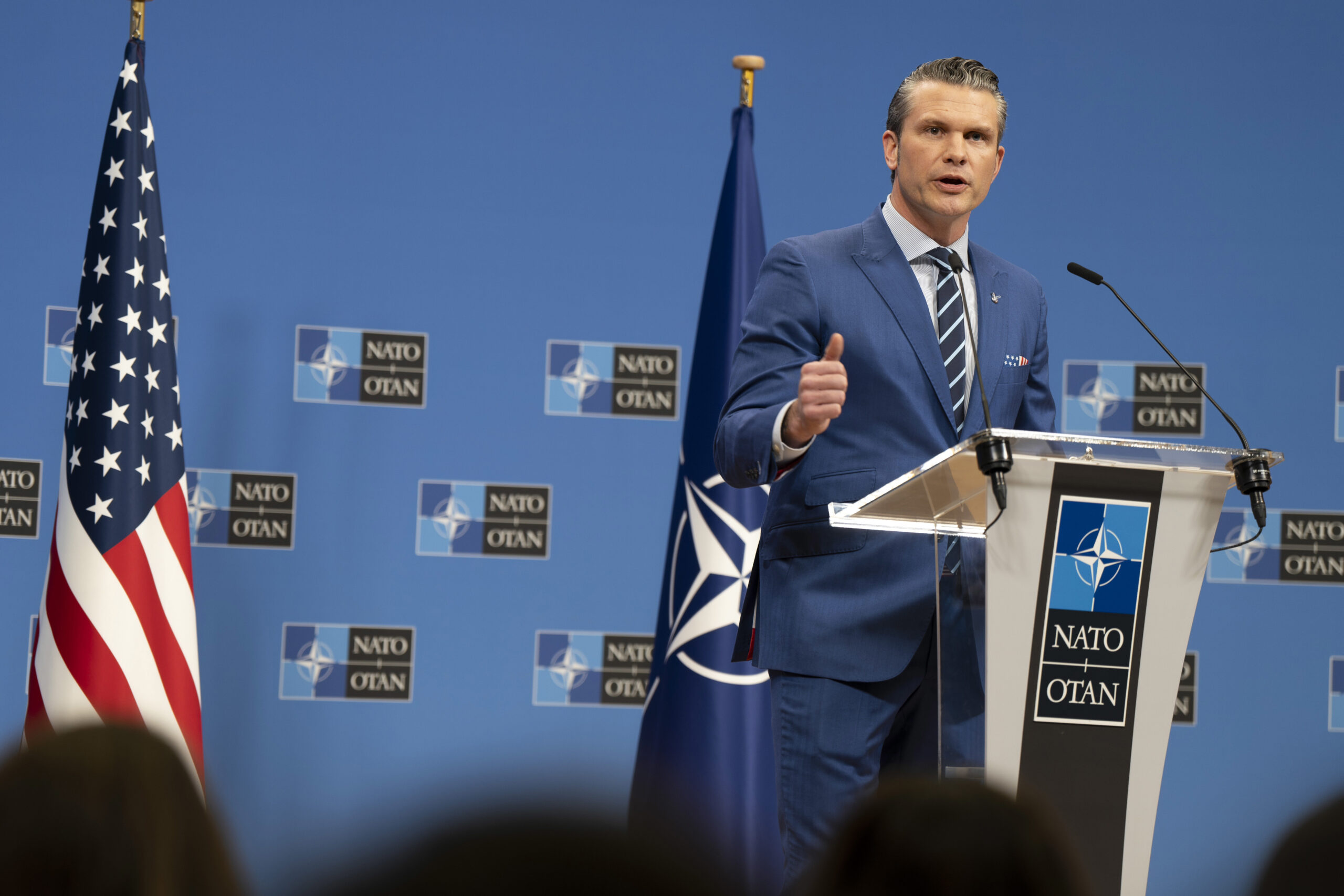
But make no mistake, Europe’s political class is rattled. The concept that the United States might actually scale back its contributions to the NATO crisis pool has triggered unease in capitals across the continent.
In recent weeks, the Trump administration has already announced cuts of around 5,000 American troops stationed in Europe and scrapped an Army brigade deployment to Poland.
Lawmakers who have long supported unchecked U.S. commitments abroad expressed alarm, but for those who have watched allies take advantage of American military might for decades, the policy shift looks overdue.
Capitol Hill aides familiar with the discussions have said that while they are aware of the plan, many see merit in finally holding NATO allies accountable for their spending shortfalls.
Despite repeated promises to meet the alliance’s minimum 2% defense spending target, several European governments continue to lag behind, effectively outsourcing their defense to American soldiers and taxpayers.
A senior NATO diplomat attempted to calm nerves, noting that there remains an “understanding” that the United States would defend Europe in a genuine emergency.
However, Washington’s message is unmistakable: America will no longer shoulder the unfair share of Europe’s defense burden while being second-guessed by the very governments benefiting from American protection.
President Trump has never been shy about calling out European complacency.

He and his national security team have hammered allies like Germany for years, accusing them of freeloading on America’s defense investments.
Even with tens of thousands of U.S. troops still stationed across the continent, the president insists that Europe must start pulling its weight—especially given the rising global tensions and the resurgence of great power competition.
The occasional diplomatic dust-ups that result from this stance—such as Trump’s very public clashes with European leaders—are simply part of a broader recalibration.
This administration believes that America’s military resources should not be tied down indefinitely in subsidizing wealthy allies unwilling to invest in their own armies.
European officials, of course, insist they are improving their capabilities, though they simultaneously admit that real military build-up takes time.
In other words, they want more years of U.S. protection before stepping up themselves. The Trump team, particularly War Secretary Pete Hegseth’s circle of advisors, appears unconvinced by those excuses.
The shift in the NATO Force Model sends a powerful signal: the days of endless American overextension are ending.
Washington still stands ready to defend its allies—but no longer at the expense of its own strategic priorities.
Europe will need to stand taller, invest more, and stop expecting the U.S. to do its heavy lifting forever.
For once, the transatlantic relationship is being rebuilt on a foundation of fair play rather than dependency. If Europe is truly serious about its security, then it’s time for the continent to prove it.
Are you feeling overwhelmed or hopeless right now? Have you been withdrawing from people or activities you usually enjoy? Are you having thoughts about hurting yourself, or feeling like things will never improve?
You do not have to handle those feelings alone. Support is available, and talking to someone can make a difference. You can reach out to the 988 Suicide & Crisis Lifeline by calling or texting 988, or by chatting online at 988lifeline.org. Trained counselors are available 24 hours a day to listen and help.
If you believe someone is in immediate danger, call emergency services right away. Even a small step, like reaching out to a trusted friend, family member, or professional, can help create a path forward.
Join the Discussion
COMMENTS POLICY: We have no tolerance for messages of violence, racism, vulgarity, obscenity or other such discourteous behavior. Thank you for contributing to a respectful and useful online dialogue.