Europe’s long-standing dependence on American muscle is finally coming to an end, as NATO’s top military commander confirmed that the U.S. will continue drawing down troops from the continent in the coming years.
General Alexus Grynkewich, Supreme Allied Commander Europe, told reporters in Brussels that European nations should “absolutely” expect more American troop withdrawals in the near future.
The general’s remarks mark one of the clearest acknowledgments yet that the U.S. expects its European allies to start carrying their own weight—something President Trump had been demanding for years.
Grynkewich explained that as NATO’s European members strengthen their own conventional defense forces, Washington can afford to scale back its presence and focus on hard power where it’s needed most.
MORE NEWS: Pentagon Confirms First Military Execution in Over 60 Years Will Be Publicly Livestreamed
“What we’re basically saying is, as the European pillar of the alliance gets stronger, this allows the U.S. to reduce its presence in Europe and limit itself to providing only those critical capabilities that allies cannot yet provide,” Grynkewich said. The message is simple: Europe, time to grow up.
The most immediate impact has already ruffled feathers in Poland, where the War Department recently scrapped a scheduled rotation of an armored brigade combat team—about 4,000 troops—along NATO’s eastern flank.
Polish officials are worried, but NATO’s American leadership insists alliance plans remain fully operational.
Grynkewich made it clear that the drawdown will total around 5,000 troops, most tied to the canceled armored brigade deployment and a shelved long-range fires battalion rotation.
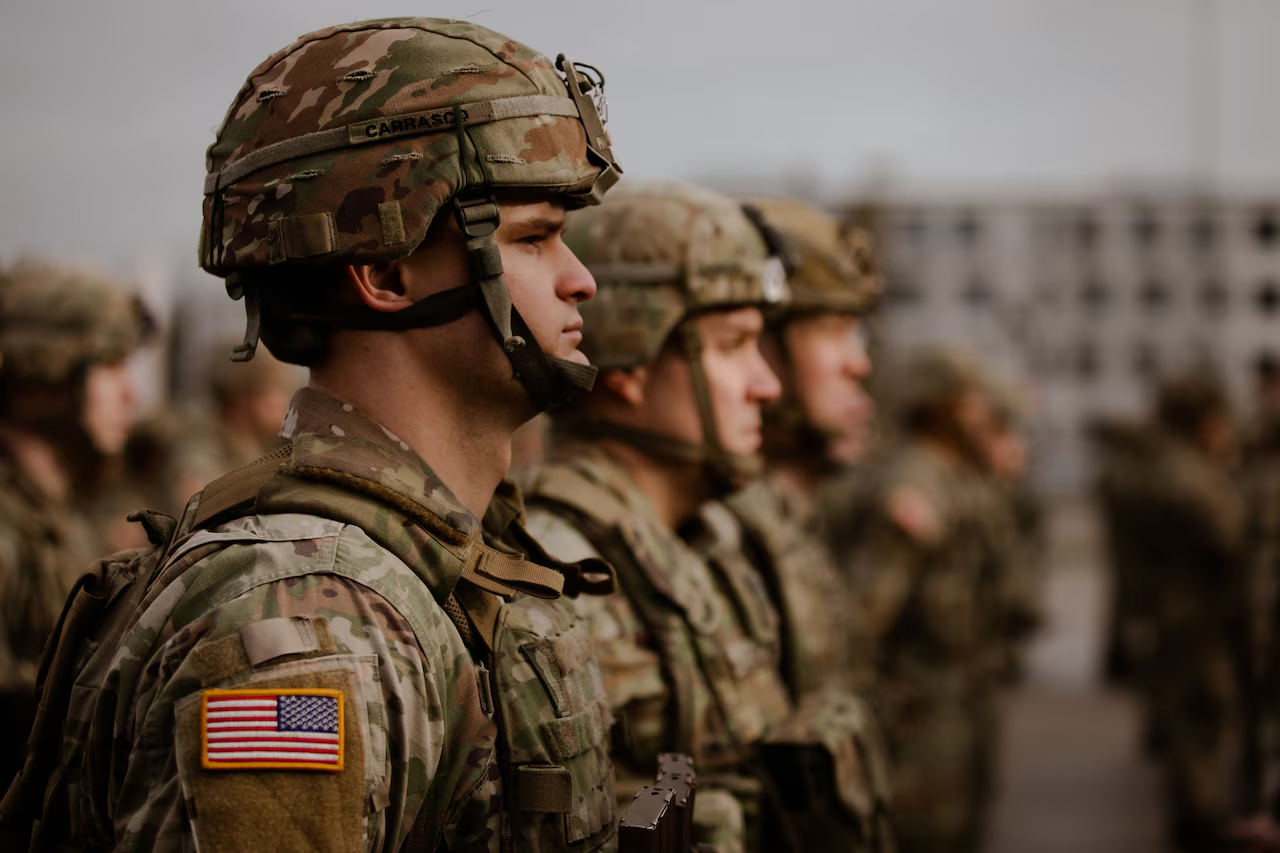
He hinted that even more reductions are possible as NATO’s European members boost their combat readiness and finally start investing in their own defense.
For years, Washington has footed the security bill for a continent that was more interested in social welfare programs and climate pledges than deterrence.
Under Trump, the message was no longer polite: pay up or lose U.S. troops. Now the results are showing. The general said that fresh planning continues for the redeployment of “additional minor elements,” accounting for several hundred more troops.
The timing of this drawdown coincides with steep criticism from European leaders, particularly Germany’s Chancellor Friedrich Merz, who recently blasted Washington’s handling of the Iran conflict.
But the U.S. policy isn’t about feelings—it’s about facts on the ground and strategic necessity. Grynkewich affirmed that troop redeployments are a political decision by American leadership, with a timeline that will “vary broadly” as NATO states hit their 2025 spending targets.
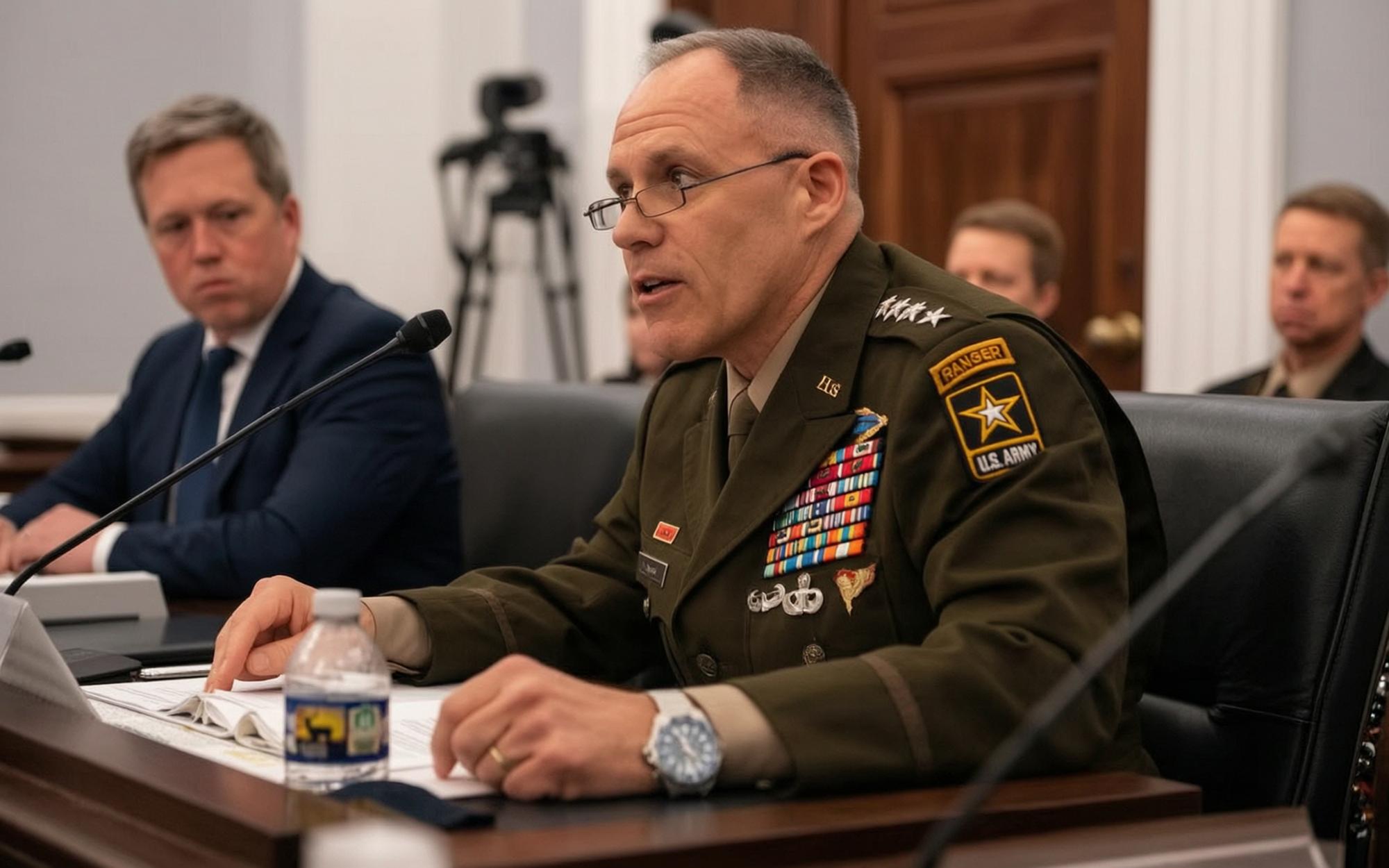
Europe’s militaries, especially those on the eastern flank, have indeed boosted their capabilities since 2022. The Baltic states and Poland, now fully alert after years of complacency, have dramatically increased their ground power.
The general name-checked Canada’s leadership of the multinational brigade in Latvia, which he called “highly effective,” and noted Germany is still working on its brigade effort in Lithuania. It appears NATO’s continental forces are finally starting to act like they belong on the same battlefield as the Americans.
“As allies build up their capability, the United States is able to pull capability back and use it for other global priorities,” Grynkewich said.
That means American forces can focus on real threats—like the Indo-Pacific or the ever-boiling Middle East—rather than baby-sitting Western Europe’s armies.
Admiral Pierre Vandier, NATO’s Supreme Allied Commander Transformation, emphasized that modern warfare now revolves around “speed, mass, software, drones, electronic warfare, space and data.”
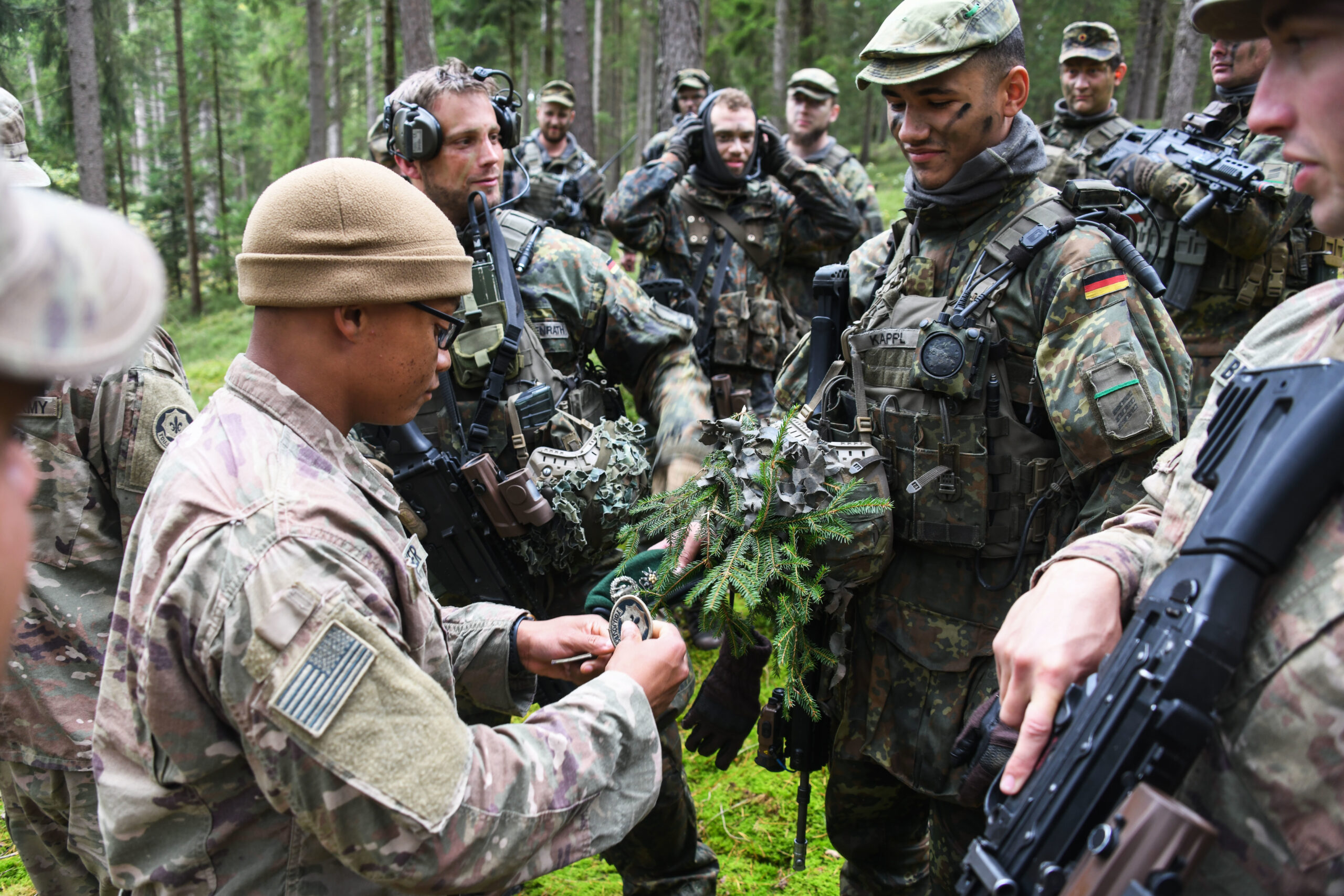
He cautioned that the alliance still needs more of everything—missiles, artillery shells, air defense systems—but technology and industrial capacity are now the real battlegrounds.
Vandier warned that “more of the same will not be enough,” urging member states to rebuild their manufacturing base if they truly want to compete.
His words sounded less like a warning and more like a reminder that without a functioning military industrial base, Europe can’t survive another shock like Ukraine.
For decades, American taxpayers carried Europe’s defense through Cold War paranoia, bureaucratic alliances, and empty promises.
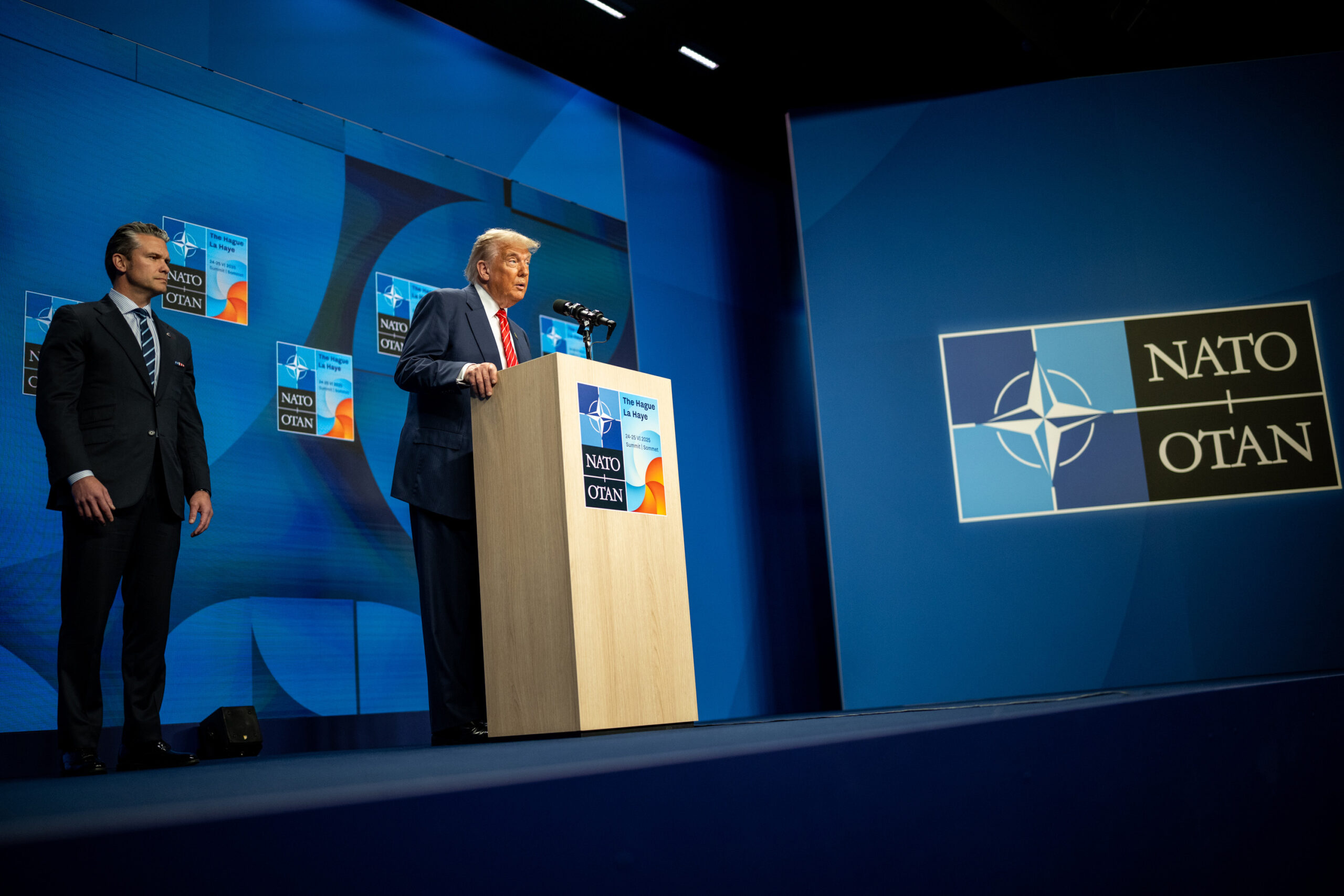
The era of permanent garrisons from Germany to Italy may finally close, replaced by flexible deployments, smarter logistics, and a focus on true national interests.
The War Department’s shift of resources out of Europe isn’t isolation—it’s discipline. It reflects an America tired of underwriting Europe’s political comfort while facing rising global fires elsewhere.
Under a Trump-style philosophy of “America First, Strength Always,” this is what smart power looks like: recalibration, not retreat.
Europe will have to decide whether it still wants to play empire or stand beside the U.S. as a serious partner. Either way, the message from Washington is loud and clear: the free ride is over, and the future belongs to nations willing to defend themselves.
Join the Discussion
COMMENTS POLICY: We have no tolerance for messages of violence, racism, vulgarity, obscenity or other such discourteous behavior. Thank you for contributing to a respectful and useful online dialogue.