The U.S. Navy’s legendary aircraft carrier USS Nimitz has officially entered the Caribbean Sea, sending a thunderous message that America’s strength isn’t taking a vacation.
U.S. Southern Command confirmed Wednesday that the Navy’s oldest yet still lethal carrier and its strike group are conducting operations as part of the region’s growing focus under the Trump administration’s watchful eye.
That same day, the Department of Justice announced long-overdue charges against Cuba’s former dictator Raúl Castro, age ninety-four, for his involvement in the 1996 shoot-down of a civilian aircraft that murdered three Americans.
The timing of the Nimitz deployment and the Castro indictment doesn’t appear to be a coincidence—it looks like America is sending both a legal and military message to Havana.
MORE NEWS: Pentagon Confirms First Military Execution in Over 60 Years Will Be Publicly Livestreamed
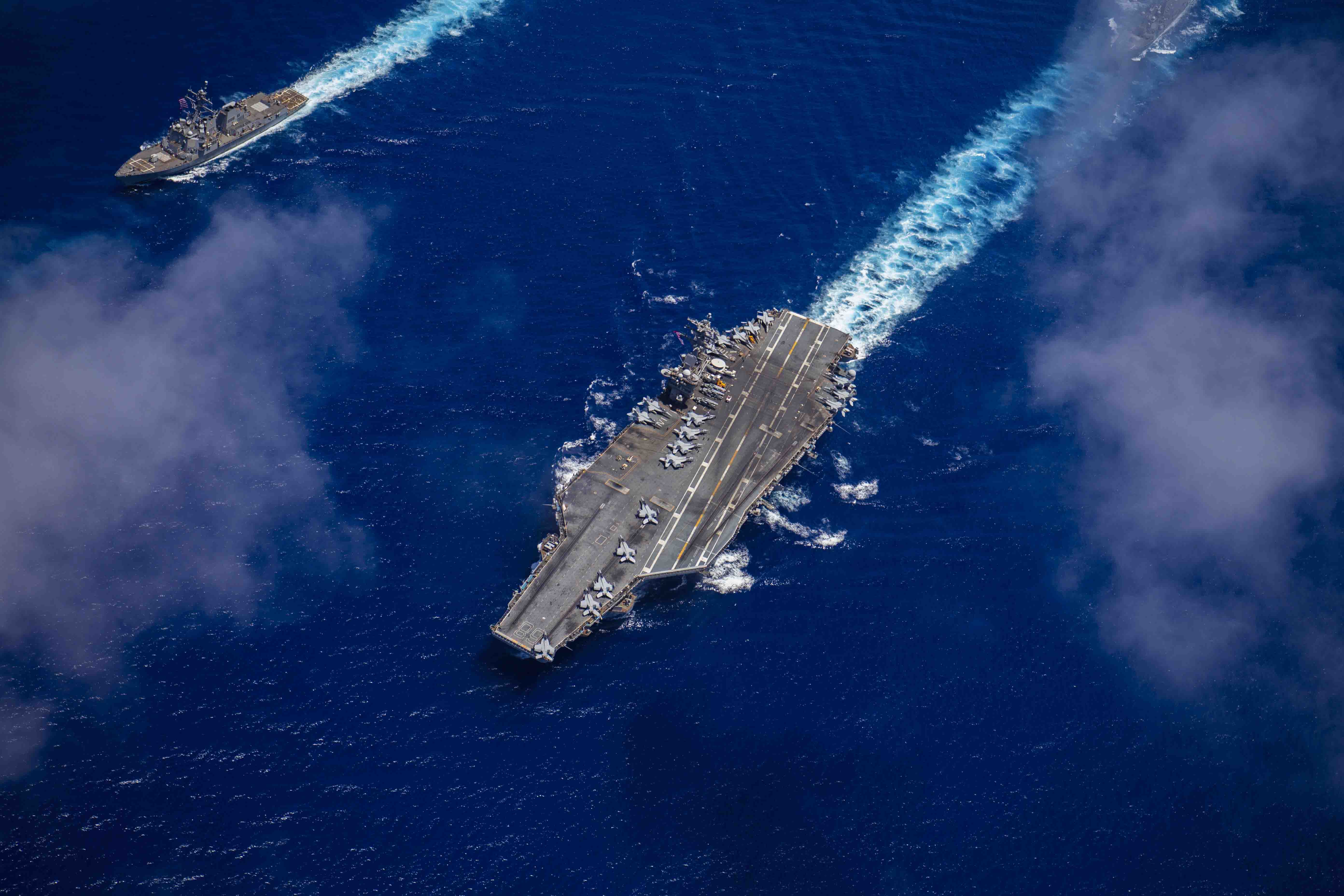
“The USS Nimitz (CVN 68), the embarked Carrier Air Wing 17 (CVW-17), USS Gridley (DDG 101), and USNS Patuxent (T-AO 201) are the epitome of readiness and presence, unmatched reach and lethality, and strategic advantage,” SOUTHCOM declared. In other words, the Caribbean just got a healthy reminder of what American firepower looks like.
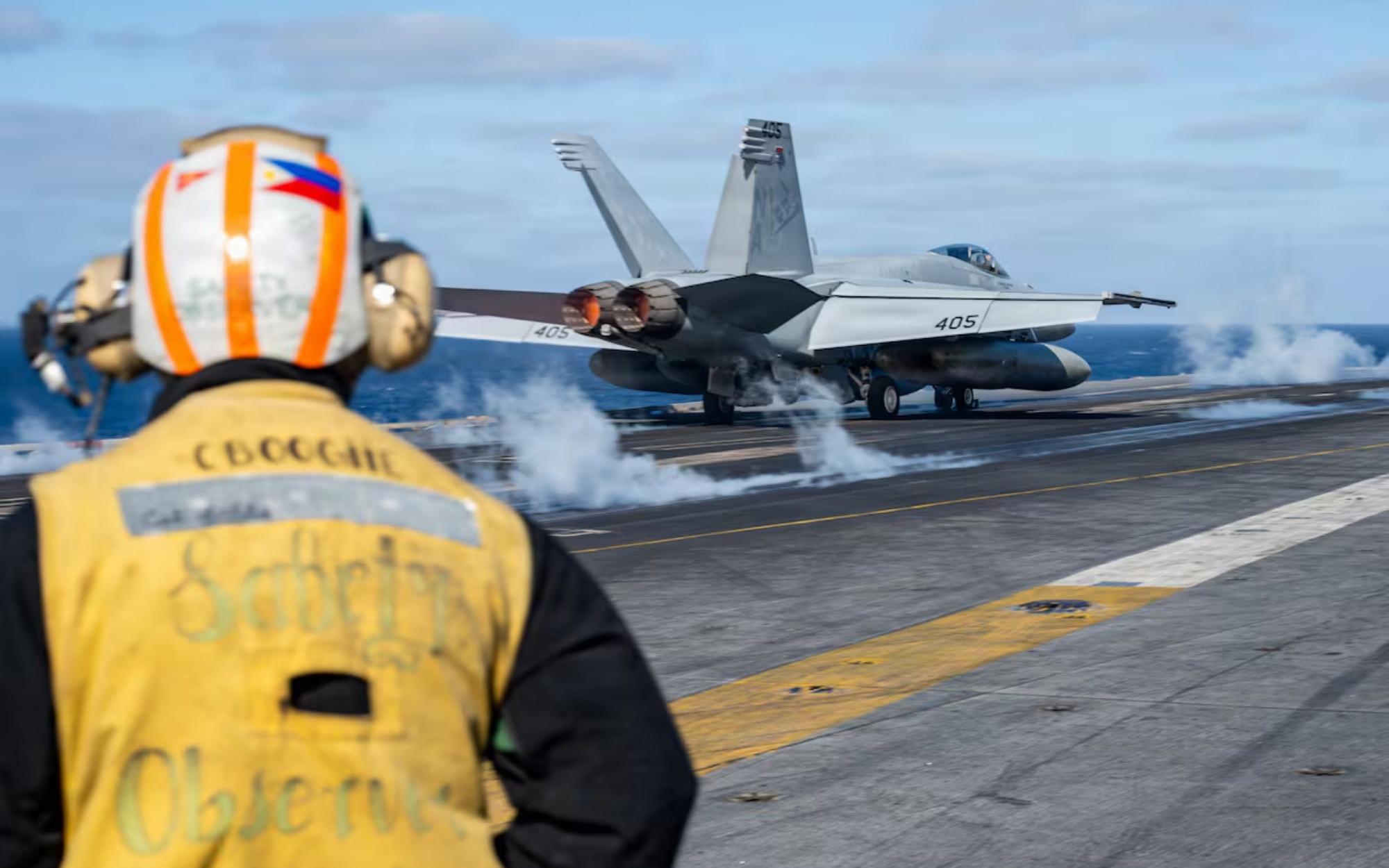
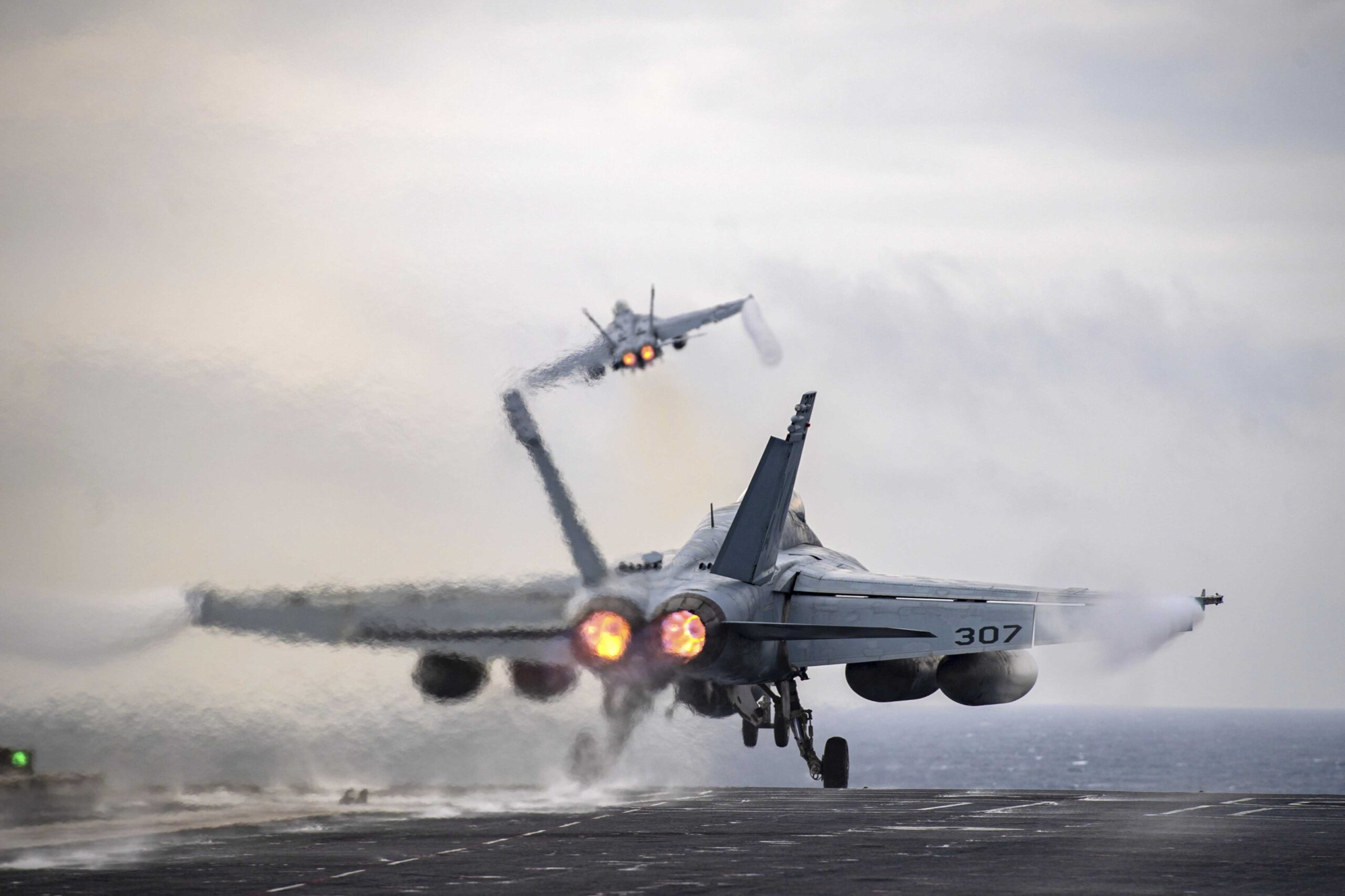
Carrier Air Wing 17 is packing serious punch with nine squadrons featuring F/A-18 Super Hornets, EA-18G Growlers, E-2D Hawkeyes, C-2A Greyhounds, and MH-60R/S Sea Hawks.
It’s a potent mix of strike, reconnaissance, and electronic warfare capabilities that can quickly bend any adversary’s will.
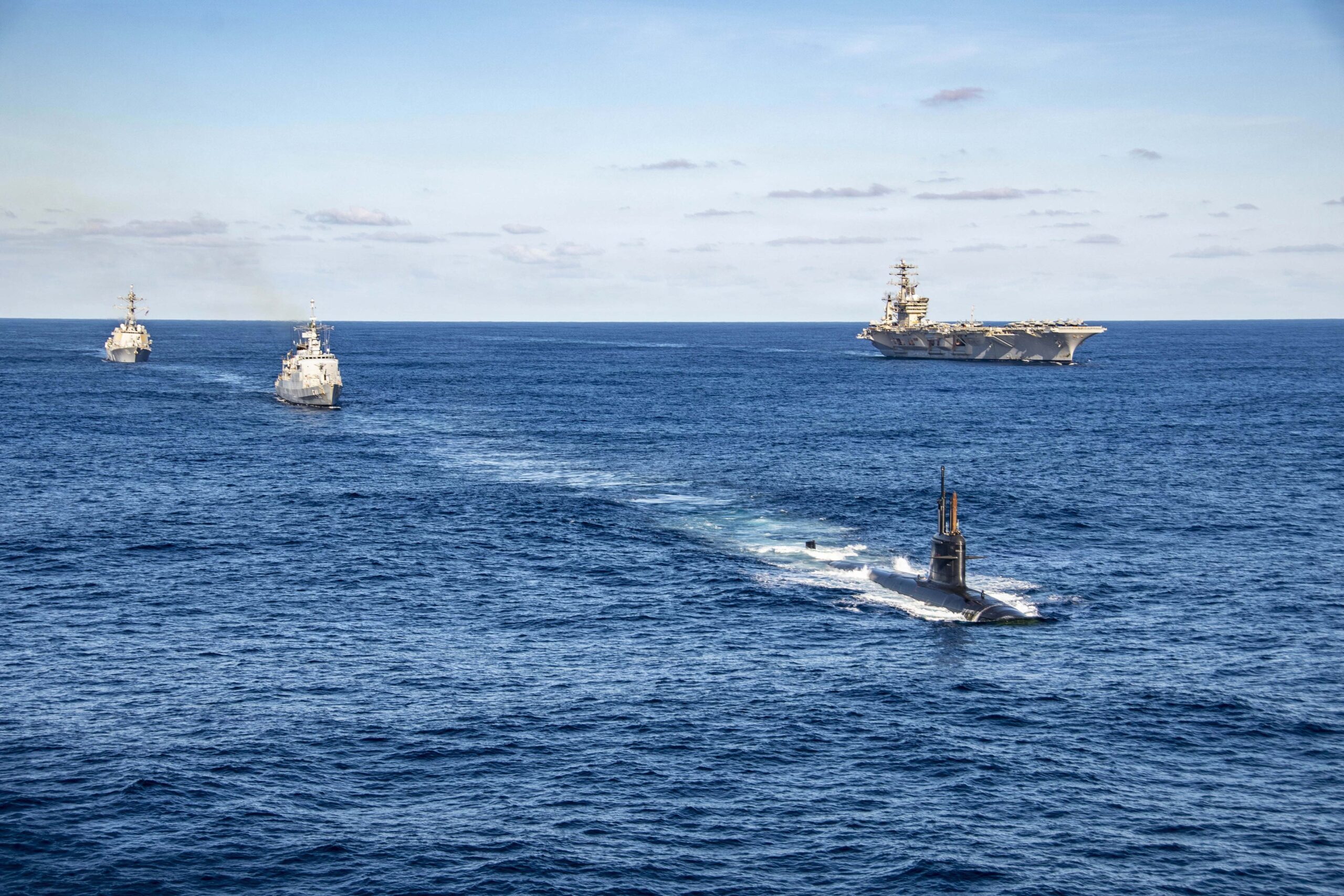
The USS Nimitz has seen nearly every hotspot around the globe. After returning last December from a nine-month deployment through the U.S. 3rd, 5th, and 7th Fleets, the ship was originally slated for retirement in 2026. But as strategic demand grows, the Navy opted to keep her in the fight through at least 2027.
The message is clear: America still needs the big guns at sea—and Nimitz still delivers.
Departing from Naval Base Kitsap, Washington, on March 7, 2026, the Nimitz began its homeport shift to Norfolk, Virginia. Two weeks later, on March 23, it deployed to the Southern Command’s area of operations for Southern Seas 2026, a multinational maritime exercise with South American allies.
These exercises strengthen partnerships and remind adversaries that free nations still sail together under the flag of liberty.
But make no mistake—the backdrop of this deployment isn’t just about diplomacy and cooperation. The U.S. and Cuba’s testy relationship is heating up again, and the timing couldn’t be more critical.
Reports indicate that American reconnaissance flights near Cuba have skyrocketed, with nearly two dozen military intelligence missions since February 4. That’s a sure sign Washington is keeping a close eye on what’s happening in the communist-run nation.
President Donald Trump has made no secret of his renewed interest in the region. “Cuba is on our mind,” he said Wednesday, signaling that the island is firmly on his radar.
Earlier this year, Trump even mused about the idea of a “friendly takeover of Cuba,” reminding the world that America doesn’t shy away from bringing freedom a little closer to home.
The Trump administration’s hardball approach has already had teeth. On January 29, an executive order imposed tariffs on all countries supplying oil to Cuba, squeezing Havana’s already fragile economy.
The result has been predictable—rolling blackouts, fuel shortages, and mounting frustration among Cuban citizens tired of communist mismanagement.
The tariffs are squeezing Cuba right where it hurts while punishing the regimes that prop it up, most notably Venezuela and Iran.
Energy shortages have laid bare the failures of Cuba’s socialist model, even as the government continues to cling to outdated Marxist fantasies.
In May, CIA Director John Ratcliffe made a discreet but pivotal trip to Havana for what sources described as straight talk about national security and diplomacy. Ratcliffe reportedly told Cuban officials that the U.S. was prepared to “seriously engage” with them—but only if the regime made “fundamental changes.” That’s diplomatic speak for “the communist era is over—get with it.”
The Nimitz’s presence near Cuban waters amplifies that same message, but this time through steel and power instead of polite conversations.
Its arrival, coordinated with growing U.S. intelligence activity and punitive economic measures, suggests a deliberate three-pronged strategy: pressure Havana legally, corner it economically, and shadow it militarily.
For decades, Cuba has thrived on the illusion that America’s attention had drifted elsewhere. Not anymore.
Trump’s War Department, guided by a revitalized doctrine of peace through strength, is making clear that communist dictatorships in the Western Hemisphere no longer enjoy a free pass.
When a ship like the Nimitz sails into your neighborhood, it’s not just a port call—it’s a statement.
And the statement is simple: the United States is back in charge of its own backyard, and the era of appeasing Havana is over.
Join the Discussion
COMMENTS POLICY: We have no tolerance for messages of violence, racism, vulgarity, obscenity or other such discourteous behavior. Thank you for contributing to a respectful and useful online dialogue.