Back in the thick of the Cold War, when American ingenuity was racing against Soviet ambition, the United States Air Force decided to push human limits right to the edge of space.
The late 1950s were a time of explosive military progress, with new jet fighters roaring higher and faster than ever before, and the space race demanding unprecedented leaps in technology.
Those sky-high ambitions created a brand-new challenge: how do you get a pilot safely out of a plane that’s flying practically into space?
That problem birthed one of the most daring scientific experiments ever attempted: Project Excelsior.
MORE NEWS: Pentagon Confirms First Military Execution in Over 60 Years Will Be Publicly Livestreamed
The Air Force wanted to perfect high-altitude bailout procedures and parachute technology that could save lives both in combat and in the coming age of manned spaceflight.
Scientists needed a volunteer—someone equal parts fearless and patriotic—to risk it all at the edge of the heavens. They found that man in Air Force Captain Joseph Kittinger.
Before rockets took astronauts into orbit, the U.S. had used balloons to reach stratospheric heights for decades. Long before the days of SpaceX, Air Force crews were inflating massive helium balloons with gondolas attached, pushing science to the limit. Project Excelsior used this same approach.
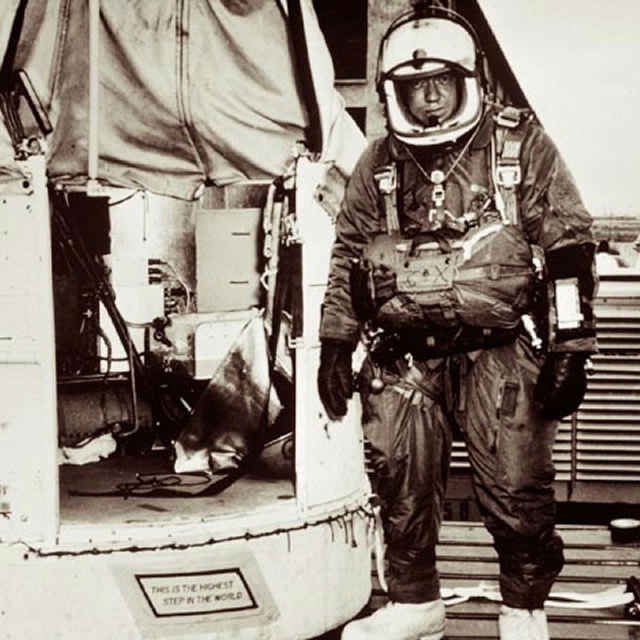
Instead of launching a test dummy or some lab animal, the Air Force strapped a man into a pressure suit and prepared him to leap from the edge of space.
Kittinger’s role in Project Excelsior wasn’t for the faint-hearted. Over ten months between 1959 and 1960, he conducted three historic jumps, testing newly designed multi-stage parachutes—the predecessors to systems still used in modern aviation and space recovery.
The early tests brought near-fatal spins, malfunctioning gear, and excruciating conditions, but Kittinger stayed mission-focused, determined to complete what he’d begun.
The grand finale came on August 16, 1960. A near-perfect summer day, but at over 100,000 feet above the Earth, nothing was “normal.” Kittinger’s pressure suit had a leak in one glove, meaning his right hand swelled painfully as he ascended.
That would have been enough to ground most people, but Kittinger refused to scrap the mission. The balloon climbed nearly 20 miles up—over three times higher than the cruising altitude of a commercial jet—and then he jumped.
For four and a half minutes, Kittinger plummeted through the stratosphere, hurtling toward Earth at a top speed of 625 mph.
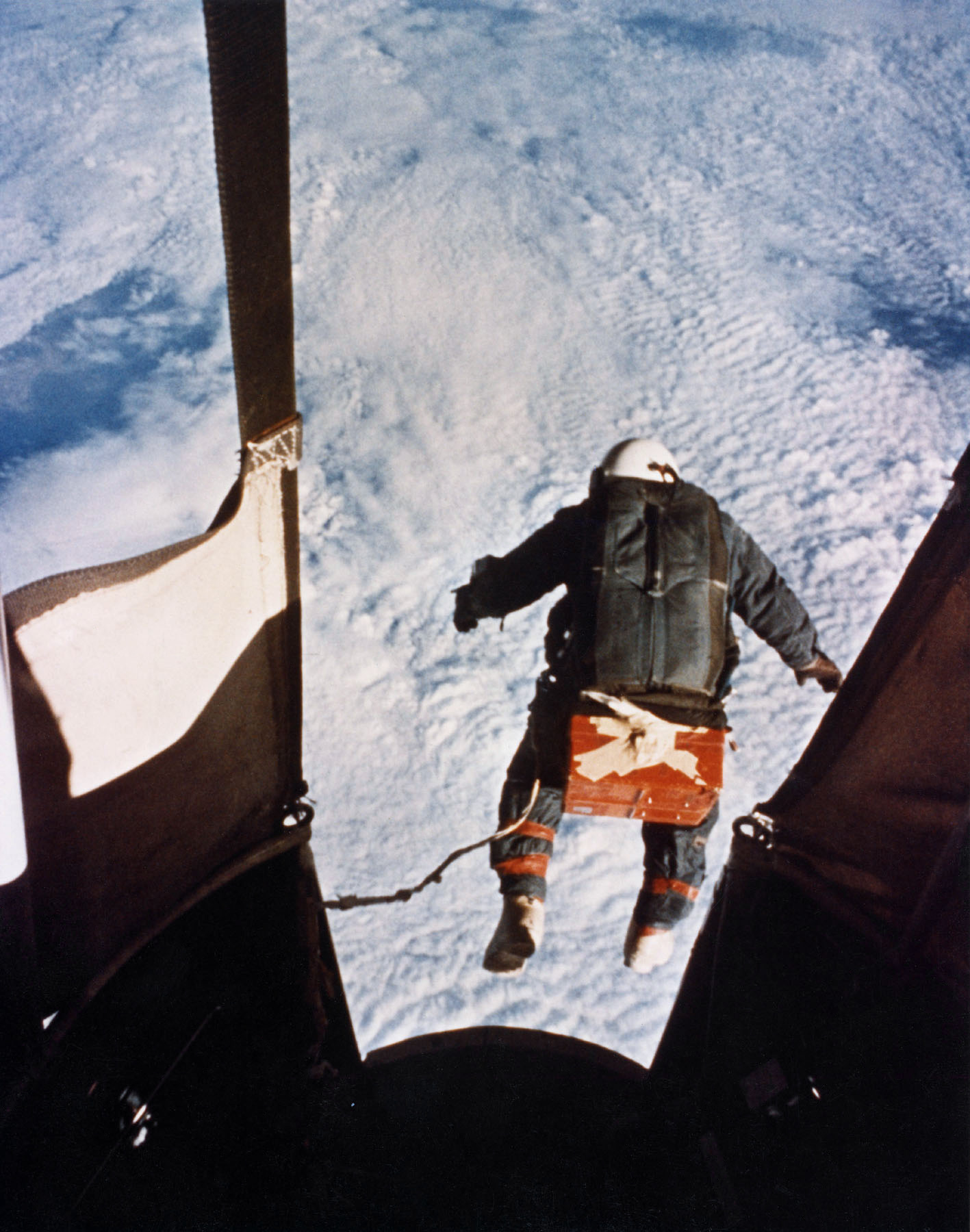
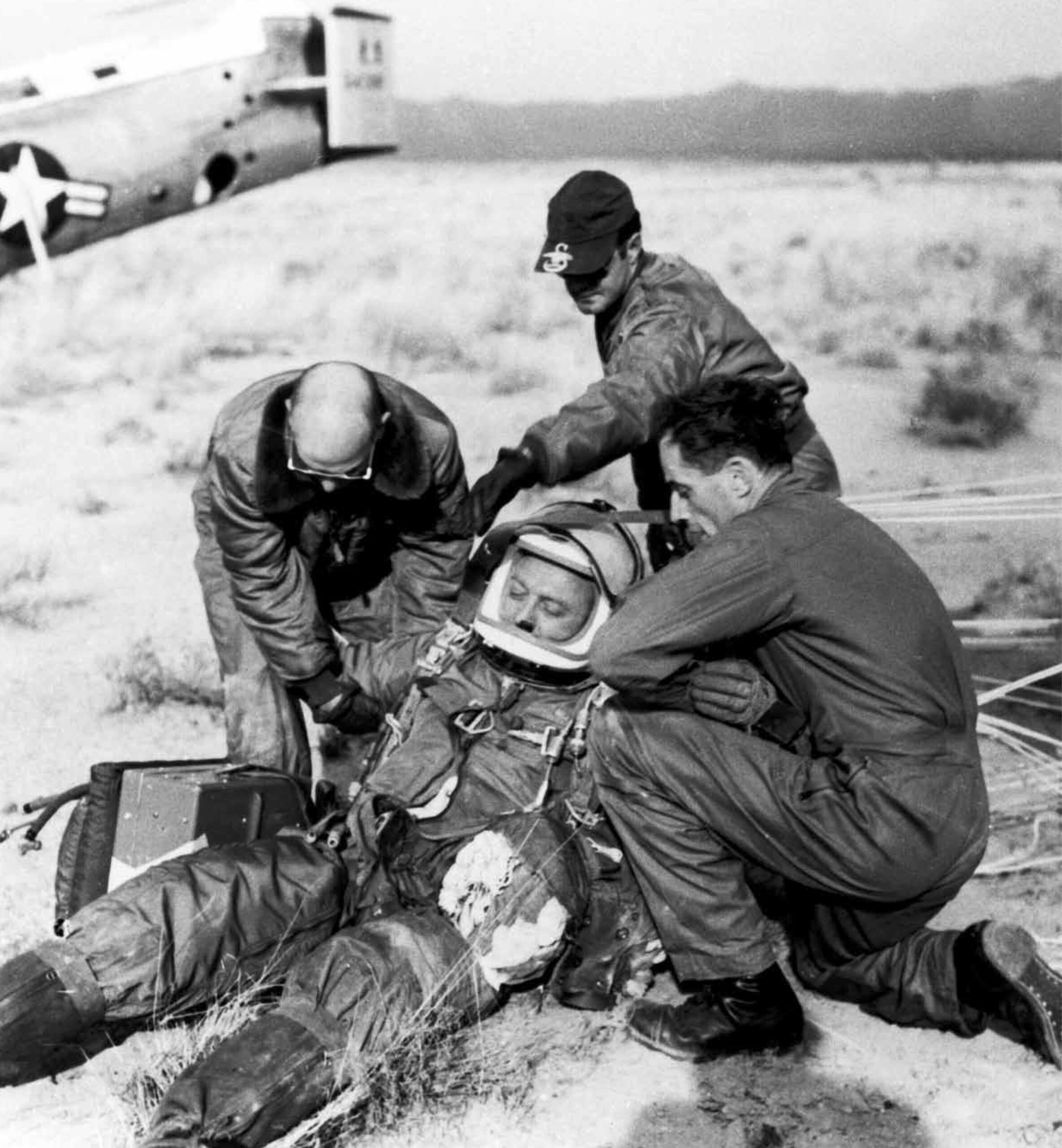
A man-shaped missile cutting through the sky. At 17,500 feet, his main parachute deployed flawlessly, and he landed safely in the New Mexico desert.
It wasn’t just a personal triumph—it was a monumental achievement for America’s warfighting edge and space future.
The Air Force recognized Kittinger’s courage with a second Distinguished Flying Cross.
His citation praised his “selfless devotion to duty” and his “vital contribution to aeronautical science.” In an age when much of the world’s future depended on who could master the skies—and soon, the stars—his leap represented American precision and courage at their finest.
Kittinger didn’t stop there. Like a true warrior, he carried his tougher-than-nails spirit into combat, serving multiple tours in Vietnam. In 1972, his luck ran out when his jet was shot down over North Vietnam.
He spent 11 brutal months as a prisoner of war before being released. By the end of his service, he’d earned five Distinguished Flying Crosses and cemented his reputation as one of the Air Force’s living legends.
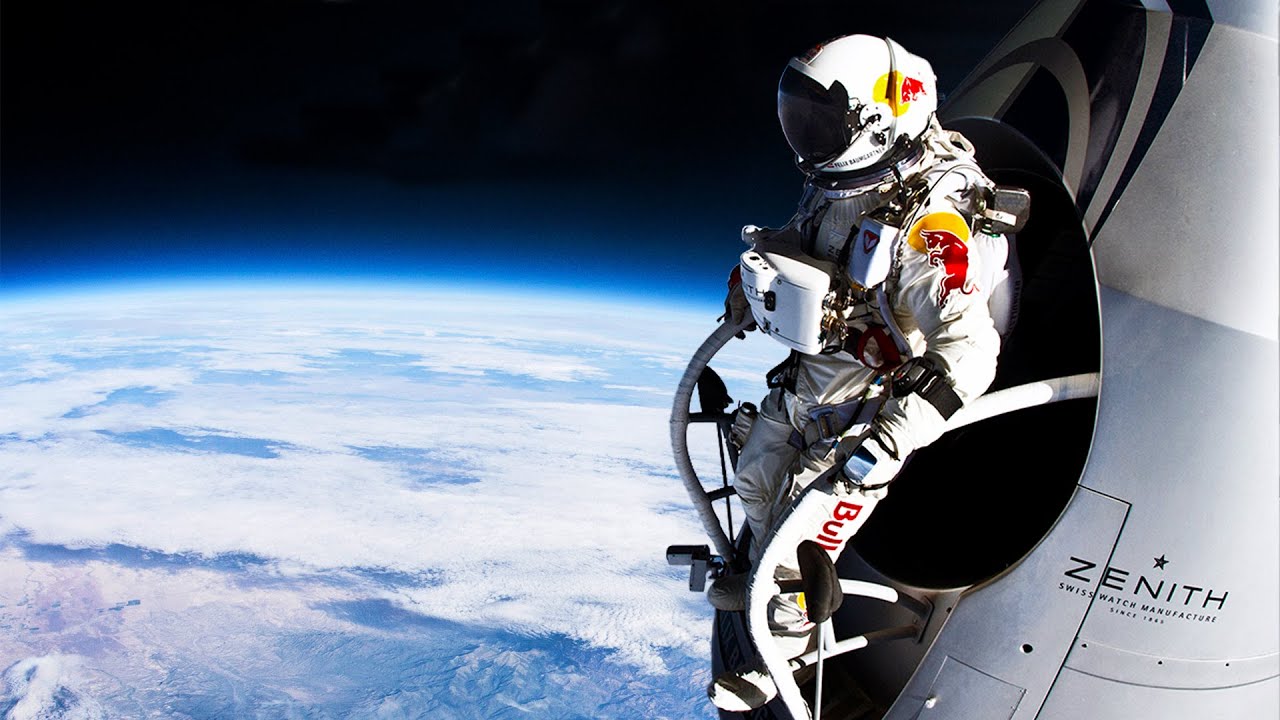
For decades, his record stood unchallenged. It wasn’t until 2012 that Austrian daredevil Felix Baumgartner, backed by Red Bull, broke the record—with none other than Joe Kittinger himself on his ground crew.
The symbolism was powerful: the man who jumped from space helped another do it again, this time with the world watching in real time.
Project Excelsior might sound like something dreamed up by a modern PR firm, but it was classic 1950s American grit—equal parts science, courage, and raw patriotism.
It wasn’t about branding or viral stunts. It was about pushing the envelope for national security and the advances that came from being first and best.
The data gathered during those jumps directly benefited both military aviators and astronauts.
Every pilot who has safely ejected from a high-speed aircraft since owes something to the lessons learned by Kittinger and his team.
And every space mission since Mercury has incorporated equipment and procedures rooted in those early stratospheric tests.
Today, in an era where some corners of the Pentagon can get bogged down in bureaucracy and ESG distraction, Kittinger’s story serves as a reminder of what the American fighting spirit looks like.
When problems arose, the Air Force didn’t hold a meeting—they built a balloon, strapped in a volunteer, and got answers the hard way.
Project Excelsior remains one of those rare feats that perfectly captures the essence of American military innovation.
It was bold, dangerous, and unapologetically proud. Just the way our warfighters have always been and always should be.
WATCH BELOW:
Join the Discussion
COMMENTS POLICY: We have no tolerance for messages of violence, racism, vulgarity, obscenity or other such discourteous behavior. Thank you for contributing to a respectful and useful online dialogue.