WHAT YOU NEED TO KNOW
- Army chaplains are preparing for moral and spiritual questions created by AI, autonomous weapons and drone warfare.
- Researchers warn that troops could face responsibility for lethal decisions despite feeling they lacked meaningful control.
- Congress called for a comprehensive study of mental health conditions among troops who work with drones or remotely witness lethal strikes.
- Experts say chaplains need AI literacy and should work alongside mental health professionals.
As artificial intelligence and autonomous weapons take a larger role on the battlefield, military chaplains are examining how the technology may affect the morality and spirituality of service members. The concern centers on troops who could carry responsibility for lethal actions shaped or accelerated by automated systems.
Earlier this month, chaplains in U.S. Army Europe and Africa attended a conference focused on the moral and spiritual effects of missions increasingly intertwined with AI.
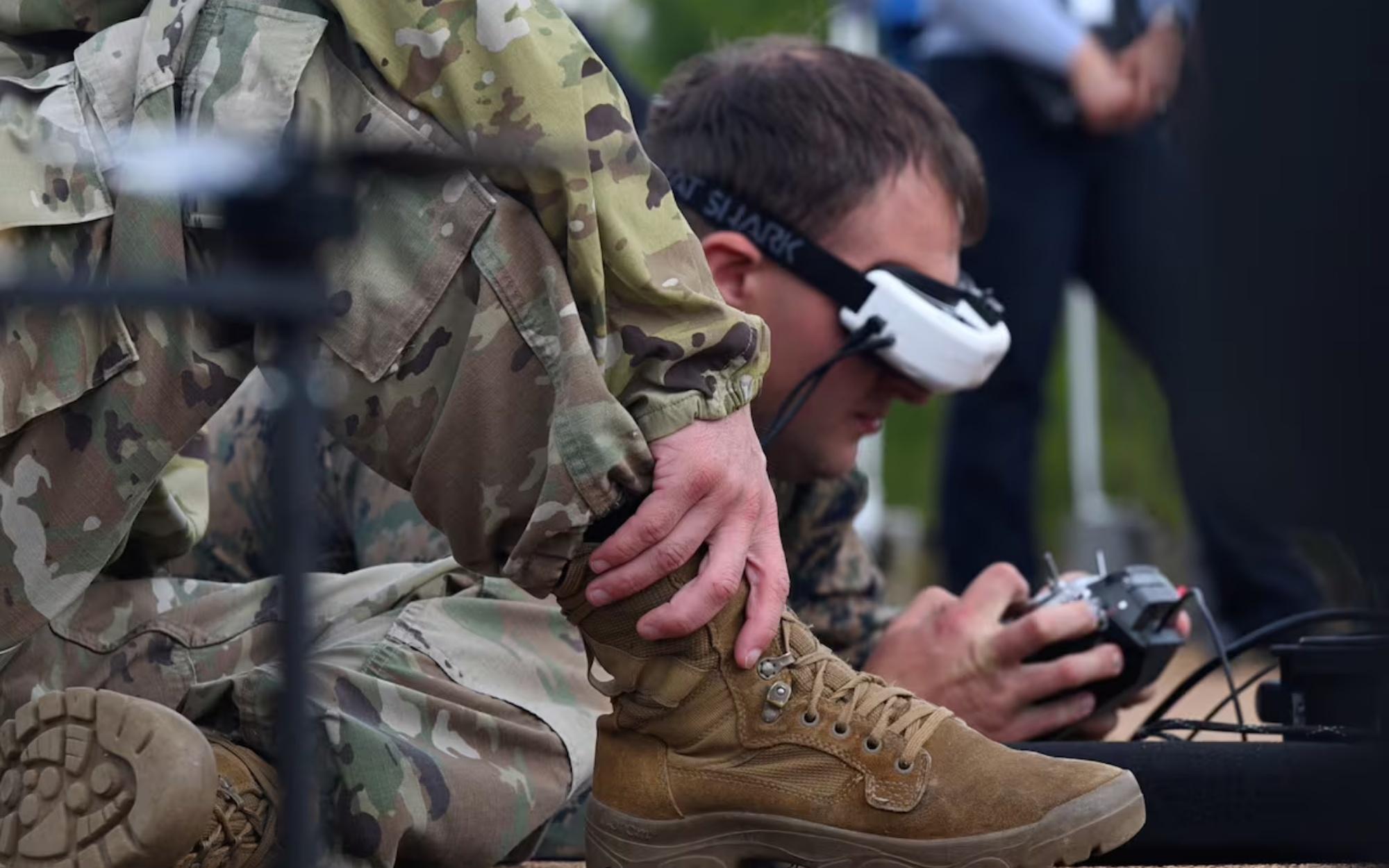
Training addressed the dissociation associated with flying first person view drones and the possibility that automation could leave troops less time to weigh consequences.
The conference was small, but experts say the military will need to expand its focus on moral injury connected to AI and drone warfare.
Here's What They're Not Telling You About Your Retirement
Jesse Kirkpatrick, Ph.D., a George Mason University research professor, studies military ethics, autonomous weapons and moral injury.
Kirkpatrick warned that faster decisions supported by AI could leave troops responsible for actions over which they felt they had little meaningful control.
“You could imagine moral injury arising from too little agency or from nominal responsibility without genuine control,” Kirkpatrick said.
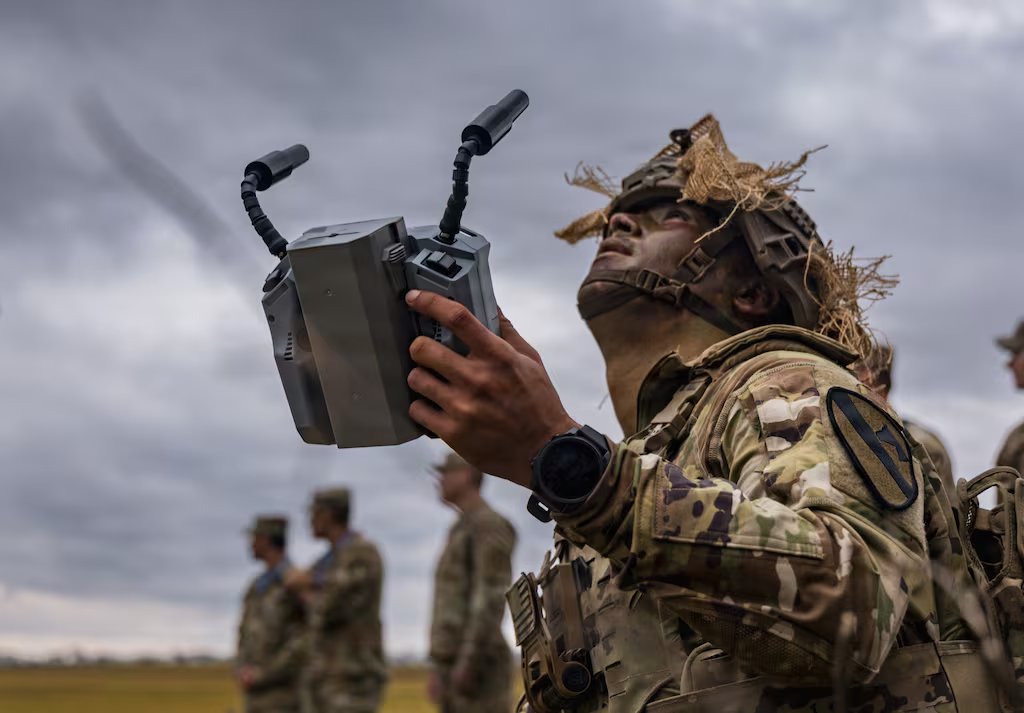
He also described a “paradox of distance” affecting drone operators who are physically removed from combat but closely observe people through high resolution cameras.
This Could Be the Most Important Video Gun Owners Watch All Year
Those operators may watch individuals for extended periods before and after a strike, creating an intimate view of the target.
Kirkpatrick offered a hypothetical case involving an operator who sees someone plant a bomb, buy milk and teach children soccer before participating in a strike against that person. “They made that killing up close and personal,” Kirkpatrick said.
Whether AI increases moral injury remains an open question, Kirkpatrick cautioned.
Moral injury is often defined as mental and moral damage caused by participating in or witnessing conduct that violates a person’s moral or ethical beliefs.
Kirkpatrick said more research and testing are needed to understand how different systems affect operators.
“We could find that moral injury is, say, more deeply associated with decision-support systems than autonomous weapons that are doing the killing,” Kirkpatrick said.
The distinction could prove significant because rapidly reviewing targeting information generated by AI may affect an operator differently from deploying a more autonomous weapon. Researchers are only beginning to understand how these technologies may influence future soldiers.
The military, however, has already moved beyond theory. Earlier this year, the 25th Infantry Division tested AI in a digital sensor to shooter artillery process that streamlined targeting information before soldiers calculated firing data.
![Arctic Front Flares Up: FPV Drones Redefine Arctic Warfare After Ukraine [WATCH]](https://www.commondef.com/wp-content/uploads/2026/03/2026.03.14-03.45-commondefense-69b58297e6199.avif)
That growing human involvement in warfare supported by AI is among the issues chaplains may face as the technology reaches operational units.
An Army spokesperson said the chaplains’ primary mission remains providing pastoral care, religious support and spiritual readiness for service members and their families.
Retired Air Force Lt. Col. Rachel VanLandingham, formerly chief of international law at U.S. Central Command, said chaplains must prepare for troops confronting ethical consequences in an increasingly integrated military. She also said automation and distance do not relieve operators or commanders of accountability.
Pentagon policy requires appropriate levels of human judgment over autonomous and semi autonomous weapons.
Personnel remain responsible for developing, deploying and using AI capabilities, even as the systems assume a growing place in military operations.
A service member who morally objects to using AI for targeting could still receive orders to participate in a process employing the technology to kill.
Kirkpatrick said the Army is right to prepare chaplains, but those chaplains must understand the technology behind the questions they will encounter.
“Operators and chaplains need to have AI literacy,” Kirkpatrick said. He and VanLandingham also agreed that pastoral care cannot be the military’s only response, with VanLandingham urging partnerships between chaplains and mental health professionals.
Previous research found that remotely piloted aircraft crew members who witnessed civilian casualties faced an elevated risk of negative emotional reactions.
Congress addressed the issue in the fiscal 2026 National Defense Authorization Act by calling for a comprehensive study involving troops who work directly or indirectly with drones.
The planned study covers PTSD, depression, anxiety, burnout, moral injury and other mental health conditions.
It also includes troops who remotely witness lethal strikes, a group whose experiences challenged early assumptions that physical distance would shield operators from psychological and moral consequences.
The Pentagon did not respond to questions about current programs addressing moral injury associated with AI targeting or weapons systems.
Kirkpatrick said research involving drone operators has already shown that killing from thousands of miles away does not necessarily insulate service members.
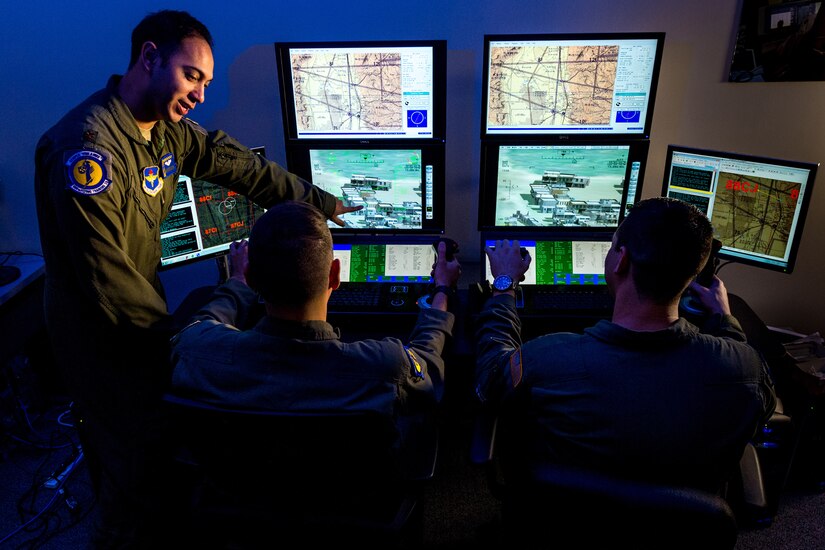
In 2018, the Irish Examiner reported on mental health effects at Creech Air Force Base, where an embedded Human Performance Team supported drone operators during and after missions. The team included physiologists, chaplains and psychologists with security clearances.
A chaplain told the Irish Examiner that conflicts weighing on the conscience, not only PTSD, burdened some airmen most heavily.
One pilot asked, “I’m just curious: What is Jesus going to say to me about all the killing I’ve done?”
Are you feeling overwhelmed or hopeless right now? Have you been withdrawing from people or activities you usually enjoy? Are you having thoughts about hurting yourself, or feeling like things will never improve?
You do not have to handle those feelings alone. Support is available, and talking to someone can make a difference. You can reach out to the 988 Suicide & Crisis Lifeline by calling or texting 988, or by chatting online at 988lifeline.org. Trained counselors are available 24 hours a day to listen and help.
If you believe someone is in immediate danger, call emergency services right away. Even a small step, like reaching out to a trusted friend, family member, or professional, can help create a path forward.
Join the Discussion
COMMENTS POLICY: We have no tolerance for messages of violence, racism, vulgarity, obscenity or other such discourteous behavior. Thank you for contributing to a respectful and useful online dialogue.