President Trump isn’t buying into the growing Beltway hype about Ukraine’s supposed battlefield supremacy.
While the media class and a few overzealous officials in his own administration seem eager to crown Kyiv the new military powerhouse of Europe, the President continues to see it differently—measuring military might not in catchy buzzwords or software interfaces, but in hard power and raw capability.
Last week, senior White House and War Department officials took turns praising Ukraine’s warfighting transformation.
In a string of public appearances, they portrayed the Ukrainian military as a formidable and even superior force, outpacing not only Russia but certain NATO allies.
MORE NEWS: Pentagon Confirms First Military Execution in Over 60 Years Will Be Publicly Livestreamed
Secretary of State Marco Rubio led the charge, calling Ukraine “the strongest, most powerful armed forces in all of Europe,” pointing to lopsided Russian casualty numbers and years of frontline adaptation.
Rubio wasn’t alone. U.S. Army Secretary Dan Driscoll told the Senate Armed Services Committee that Ukraine’s integration of drones, sensors, and weapon platforms into a single combat network has outstripped the compartmentalized and outdated systems still clinging to life in the U.S. Army.
His words were blunt: Ukraine’s “Delta common operating system” pulls every battlefield tool—drones, guns, sensors—into one real-time map, something our forces have yet to synchronize effectively.
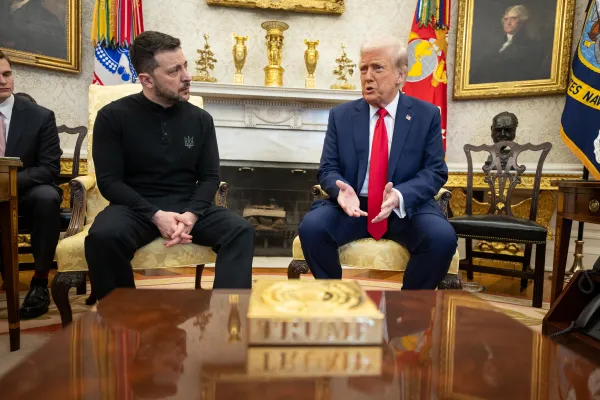
This effusive praise comes amid global arms wheeling as Western powers quietly position themselves to acquire Ukraine’s technology for countering Iranian drones.
A growing list of defense contractors has joined the hunt, eager to rebrand Ukrainian war innovation as “joint ventures” for Western cost-sharing deals.
But Trump’s assessment stands where it’s always been—grounded in America First realism. His longstanding stance is that NATO and Europe’s defense are Europe’s problems, not America’s open-ended subsidies.
During his reelection campaign and after returning to the Oval Office, Trump reminded U.S. allies that their security bills are long overdue, and American taxpayers won’t keep footing them indefinitely.
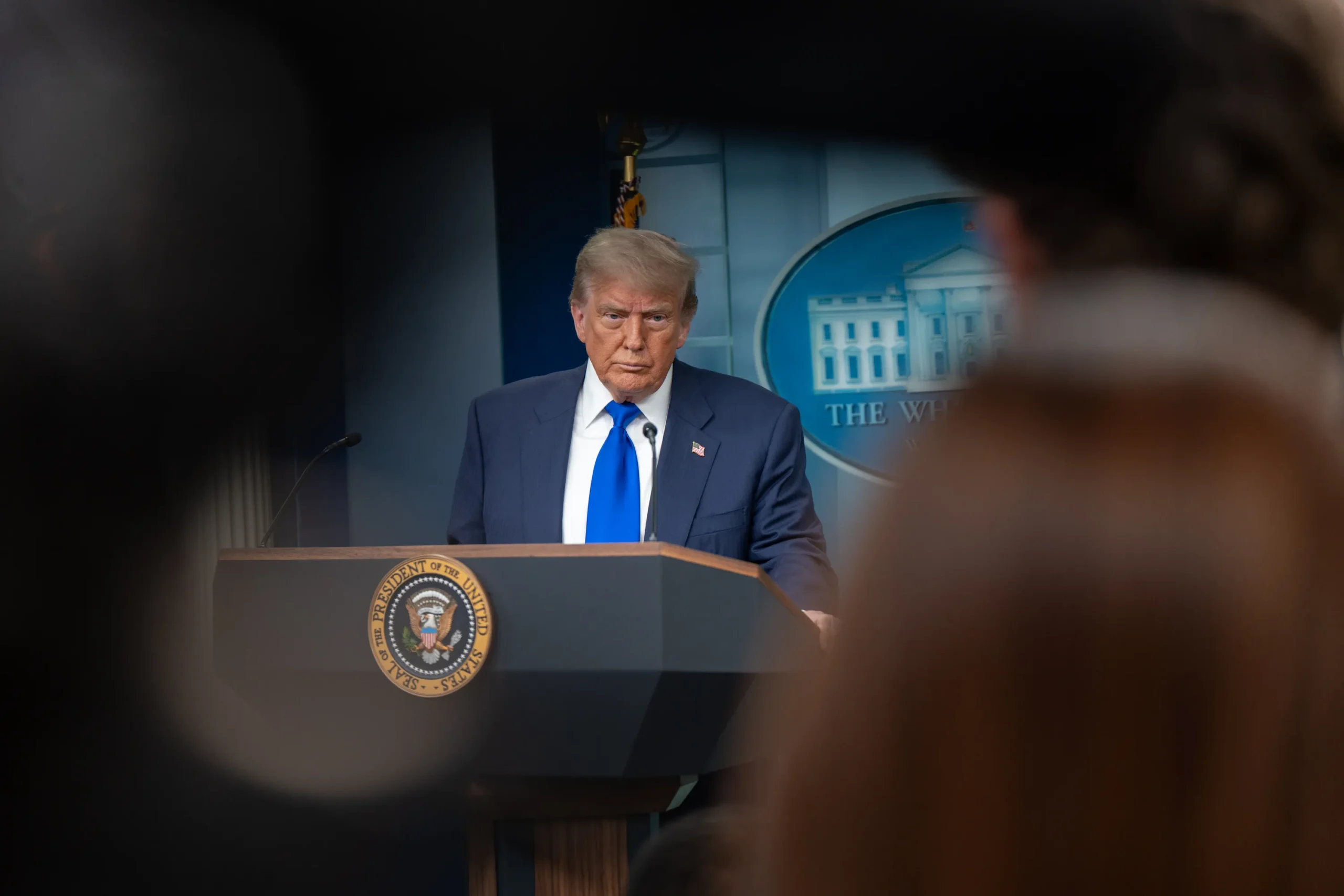
When pressed earlier this year, Trump downplayed Ukraine’s tech edge in drone warfare. “We don’t need their help in drone defense,” he told Fox News. “We know more about drones than anybody. We have the best drones in the world, actually.”
And while the Pentagon quietly tested Ukrainian systems overseas, his comments reflected a national focus—America should be developing its next-generation battlefield technology, not outsourcing it.
Still, far from D.C. talking points, evidence suggests Ukraine’s war machine runs on an impressive, if untested, digital infrastructure. Their “Delta system,” created by Ukraine’s Ministry of Defense, now links hundreds of thousands of users across a live data network that plots and shares combat information in seconds.
The system’s inspector general, Yurii Myronenko, described the effort as a “data war”—where everything from artillery to drones reports back to a unified operating picture.

Ukraine’s Commander-in-Chief Gen. Oleksandr Syrskyi claims this digital command system helped Ukraine surpass Russia’s offensive tempo for the first time, boasting of dramatically reduced casualties relative to Moscow’s forces.
He argues Ukraine’s software-first approach is reshaping traditional warfare faster than major Western militaries can adapt.
Yet not everyone in Washington sees heroics in the hype. Secretary of War Pete Hegseth has made clear that Europe’s balance of power doesn’t justify risking further American entanglements.
His position reinforces the Trump administration’s clarity—support allies, yes, but stop short of letting Europe’s constant crises dictate America’s national strategy.
After years of global overreach, the Trump-Hegseth approach prioritizes U.S. readiness, defense innovation, and restoring industrial production on home soil.
Meanwhile, the Army has tried playing catch-up through rapid-fire initiatives like “Operation Jailbreak” at Fort Carson, a crash program to rewrite legacy command systems and merge data across weapon platforms.
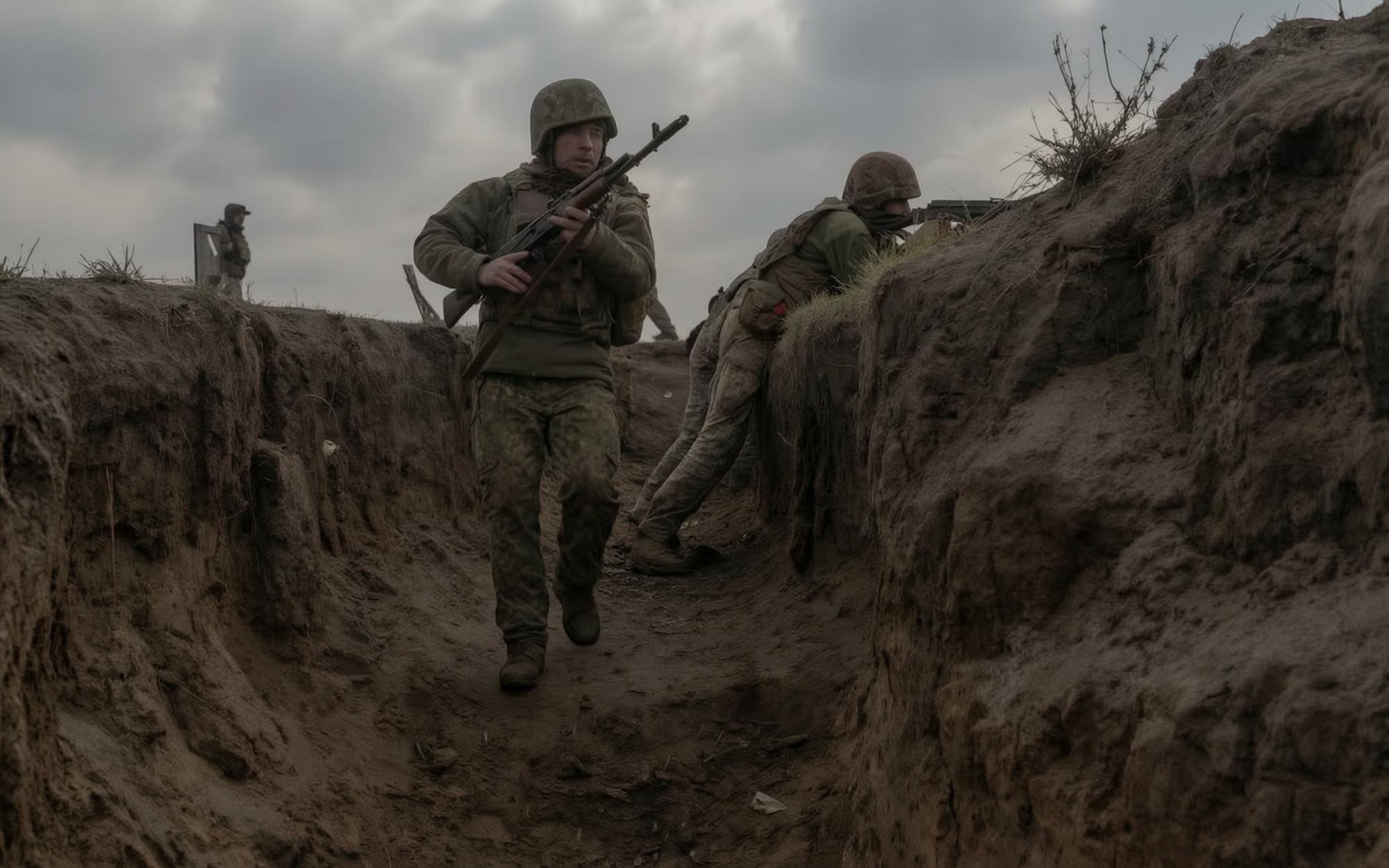
War Department insiders say the effort aims to mirror Ukraine’s tech philosophy, albeit retooled through American research and cybersecurity filters. As Driscoll admitted to Congress, “The biggest risk is not going fast enough.”
He’s not wrong, but the larger point remains—adapting America’s military network to modern warfare should never mean hitching policy to foreign experiments.
Ukraine’s Delta model is a useful case study but not a template for the U.S. Armed Forces. America didn’t become a military superpower by imitation; it became one by leadership, invention, and strategic clarity.
As contractors swarm for contracts and NATO ambassadors stumble over diplomatic praise, Trump keeps his eye on the long game: securing America’s military edge, protecting its sovereignty, and demanding allies finally pull their own weight.
The contrast could not be sharper. Officials may cite Ukraine’s “asymmetrical breakthroughs,” but the Commander-in-Chief knows that American strength was never meant to be dependent on anyone else’s battlefield code.
At the end of the day, Trump’s skepticism isn’t cynicism—it’s hard-nosed patriotism. Let Europe experiment. Let Ukraine innovate. America has a bigger mission: rebuild readiness, accelerate production, and stay two steps ahead of adversaries, not behind them.
The Beltway chatter may buzz about Kyiv’s software miracles, but Trump, Hegseth, and the real warriors know where serious power comes from—homegrown American steel, strategy, and spine.
Join the Discussion
COMMENTS POLICY: We have no tolerance for messages of violence, racism, vulgarity, obscenity or other such discourteous behavior. Thank you for contributing to a respectful and useful online dialogue.