The House of Representatives just sent a loud and clear message to America’s veterans and service members: you come first.
In a rare moment of overwhelming consensus, lawmakers approved a $480.9 billion budget for the Department of Veterans Affairs and military construction projects for fiscal year 2027 with a stunning 400-15 vote.
The bill marks the first appropriations package of the year to clear the House, a signal that even in a divided Washington, the nation’s duty to its veterans remains non-negotiable.
The legislation fully funds veterans’ health care, benefits, and critical infrastructure that supports America’s warfighters long after they hang up the uniform.
MORE NEWS: Pentagon Confirms First Military Execution in Over 60 Years Will Be Publicly Livestreamed
Rep. John Carter of Texas, chair of the Military Construction, Veterans Affairs, and Related Agencies Subcommittee, called the bill “a testament to America’s commitment to taking care of the men and women who have bravely worn the uniform.”
That commitment amounts to nearly $450 billion for the VA alone, a 3 percent bump over last year—even if it still falls short of President Donald Trump’s request for $488 billion.
Carter told fellow lawmakers, “I want every service member and veteran to know that this bill has their back.” His words were backed by both parties, proving that when it comes to supporting our heroes, most of Congress can still put politics aside.
The package includes $324 billion in mandatory VA spending for health care and benefits, while discretionary funding stands at $137.8 billion.
That discretionary total is higher than last year, though not as bold as the Trump administration’s desired $205.6 billion. The House also poured $19.7 billion into military construction—money that will touch every major branch of service.
Of that funding, the Army will receive $2.1 billion, the Navy and Marines $5.5 billion, the Air Force $3.7 billion, and another $3.8 billion will go toward War Department-wide projects.
The National Guard and Reserve components are also included, ensuring readiness and modernization across the force.
The White House had attempted to shift roughly $52 billion from a mandatory fund for toxic exposure compensation into the discretionary budget, but lawmakers from both sides rejected that move.
The Cost of War Toxic Exposures Fund was created specifically to care for veterans made ill by battlefield toxins, and Congress clearly didn’t trust the administration to raid it for other priorities.
Conservatives on the committee have been particularly vocal about protecting that fund from bureaucratic gamesmanship, and rightly so.
Veterans suffering from toxic exposure deserve guaranteed care—not another accounting trick from Washington pencil pushers.
Included in the bill is a significant Second Amendment victory for veterans, as it cements the VA’s decision to stop reporting financially managed veterans to the Justice Department—a practice that could previously strip some veterans of their right to own firearms simply because they relied on a fiduciary. That’s a win for constitutional rights and basic fairness.
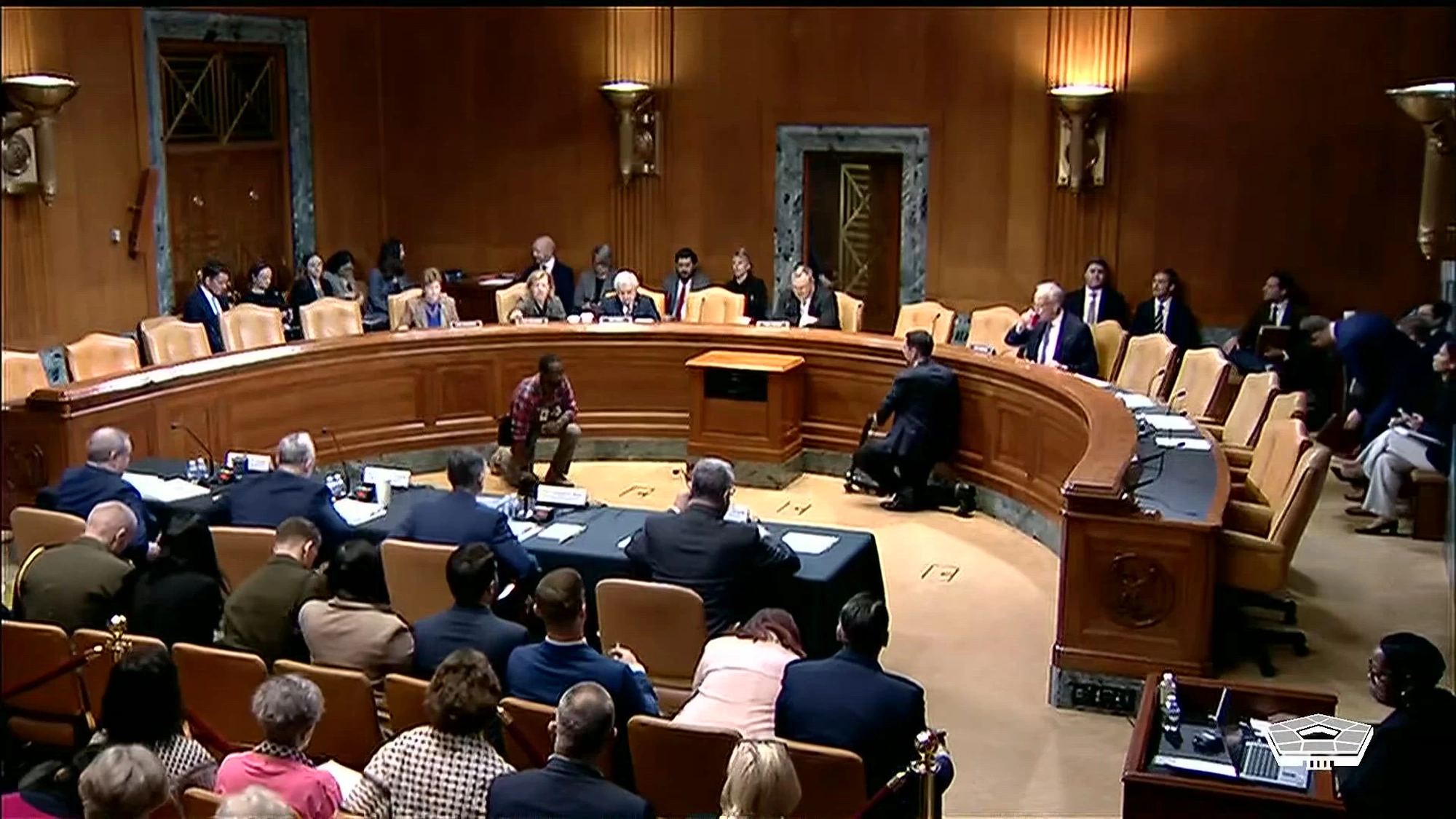
The Senate must now draft its own version, known as the MilConVA bill. Senate hearings have already begun, with some Democrats voicing concerns about staffing and the balance between private and direct VA care. Sen. Jon Ossoff of Georgia praised the overall budget but lamented that care in VA hospitals wasn’t seeing an equivalent boost.
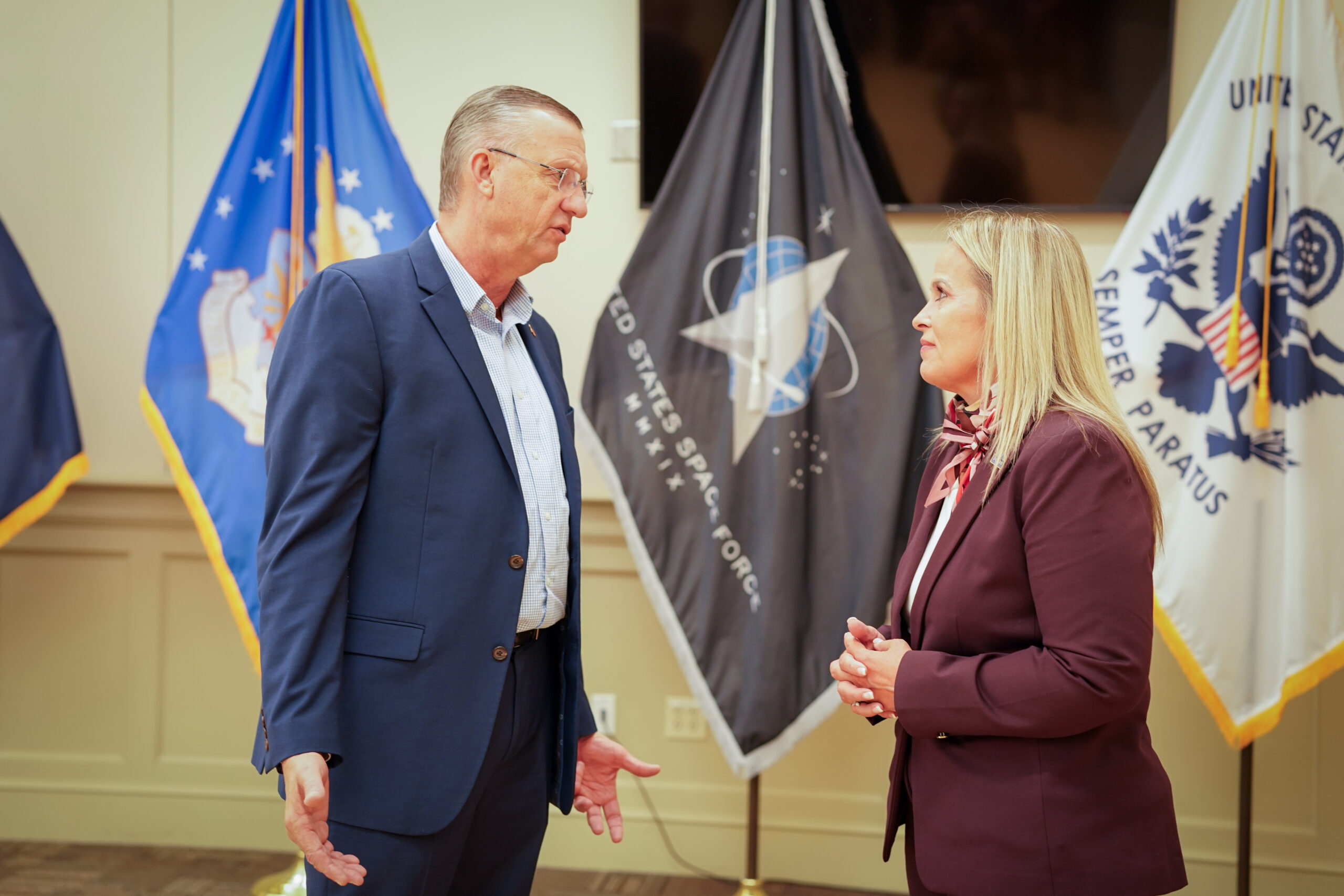
VA Secretary Doug Collins, testifying before the House MilCon Appropriations Subcommittee, praised Congress for acting decisively and said the department is improving on multiple fronts.
Collins listed progress within the VA: reduced disability claims backlogs, shorter appointment wait times, the relaunch of the electronic health record program, and a stronger overall structure for managing the workforce.
“The VA will never be perfect and neither will its budget,” Collins said, “but we are always going to work together to make sure one thing is true: veterans are always going to come first at the VA.”
His statement echoed the spirit of the Trump-era focus on veterans-first reform that has already driven sweeping cultural change inside the department.
Still, Democrats attempted to flex some leverage during the process, temporarily holding up 25 percent of the secretary’s office budget until Collins testified.
Rep. Debbie Wasserman Schultz called it “uncertainty and lack of transparency.” Collins brushed off the drama and kept the focus on performance, stating he couldn’t testify earlier due to scheduling conflicts.
The numbers tell their own story. With nearly half a trillion dollars allocated, the government’s commitment to veterans has never been more robust. More importantly, it’s being spent in a way that prioritizes readiness, efficiency, and care for those who bore the burden of America’s defense.
The Senate version will emerge later this summer, but for now, the House has set the tone: when Washington remembers who it serves—our nation’s defenders—the country wins.
Join the Discussion
COMMENTS POLICY: We have no tolerance for messages of violence, racism, vulgarity, obscenity or other such discourteous behavior. Thank you for contributing to a respectful and useful online dialogue.