A new Congressional Research Service report has finally pulled the curtain back on a major piece of Operation Epic Fury, confirming that 42 U.S. aircraft were either lost or damaged in the 40-day campaign against Iran that began on February 28.
For the first time, Congress and the American public are getting a detailed tally — and even this accounting still only scrapes the surface.
Released May 13, the report titled “U.S. Aircraft Combat Losses in Operation Epic Fury: Considerations for Congress” pieced together what even the War Department hasn’t publicly compiled.
The CRS relied solely on open-source information, including news reports and official statements from U.S. Central Command. The authors admitted that gaps likely remain due to classification, ongoing operations, and the fog of war itself.
MORE NEWS: Pentagon Confirms First Military Execution in Over 60 Years Will Be Publicly Livestreamed
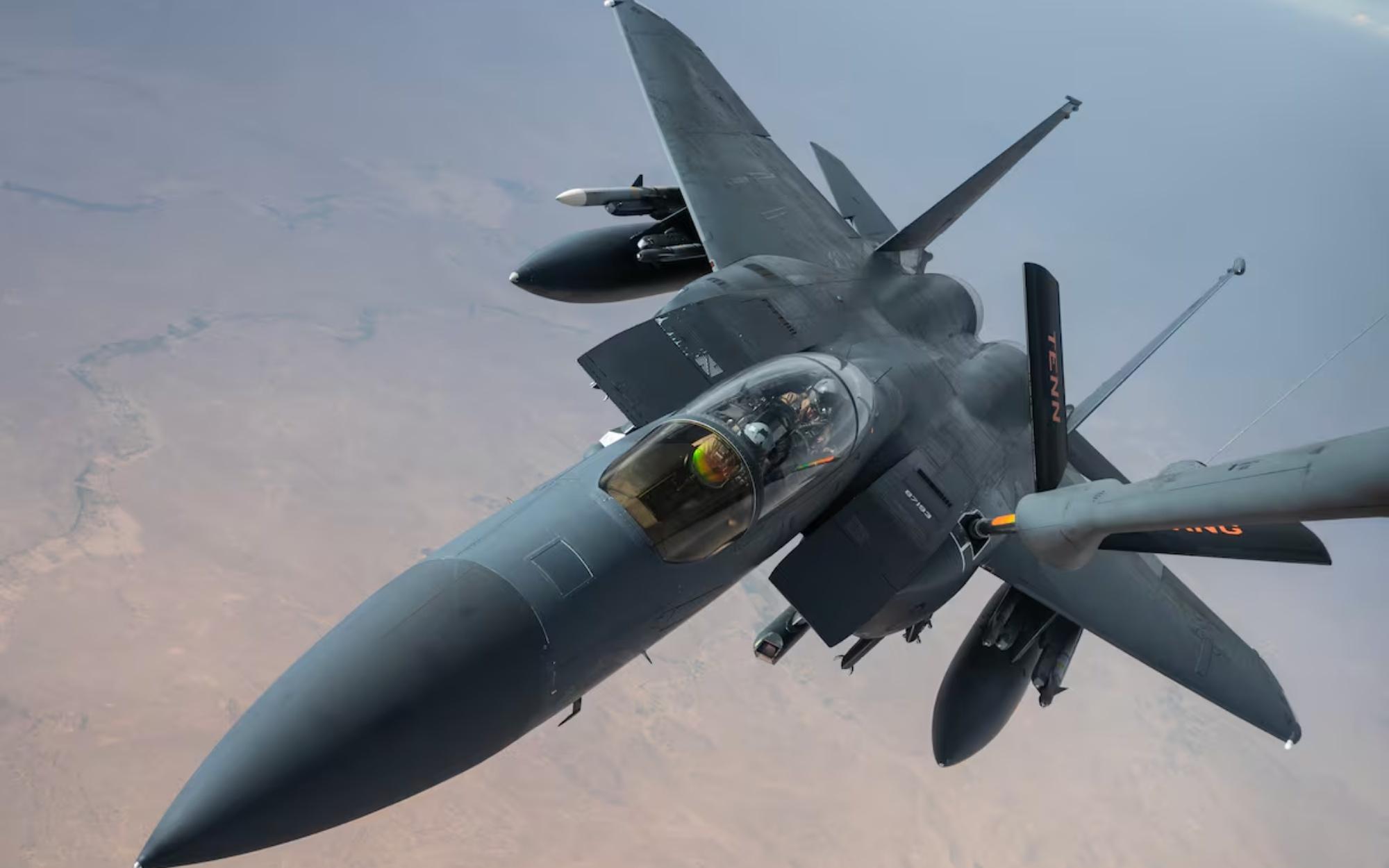
One of the earliest and most painful episodes came on March 1 and 2, when a Kuwaiti F/A-18 tragically downed three American F-15E Strike Eagles over Kuwait.
The aircrews survived, but the friendly-fire incident was yet another reminder of how compressed and hostile the airspace became in the early hours of the campaign.
A fourth Strike Eagle went down over Iranian territory on April 3. Both American aviators were rescued in separate operations that showed the courage and precision of U.S. combat search-and-rescue crews.
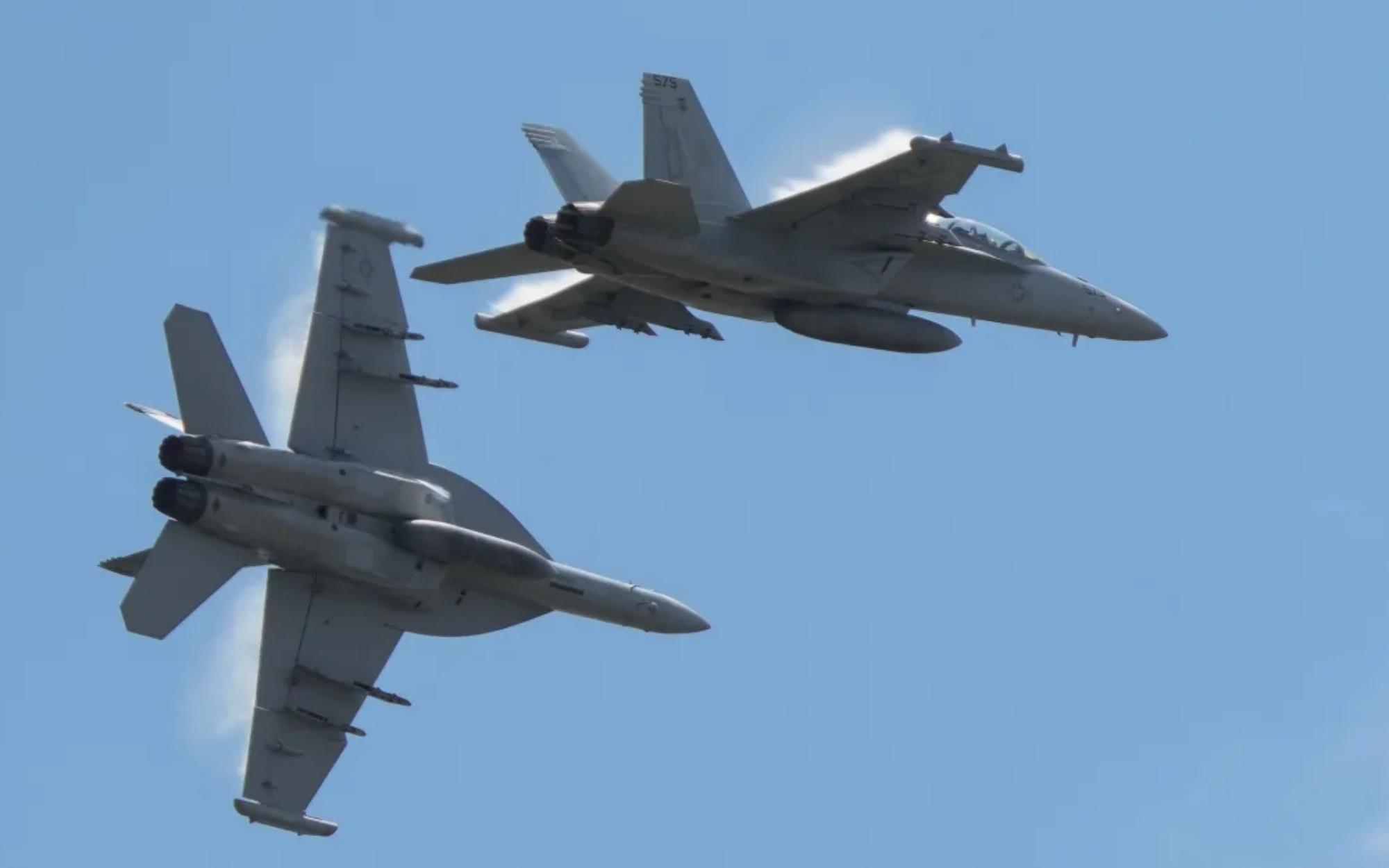
Tragedy deepened when a KC-135 Stratotanker crashed on March 12 during a refueling mission over Iraq, killing all six on board — the only fatalities the report lists.
Central Command quickly ruled out enemy engagement or friendly fire, but the loss underscored how relentless the mission tempo became. Another KC-135 in the sortie managed to divert safely to Israel’s Ben Gurion Airport.
The tanker community paid a heavy price. On March 14, Iranian missiles and drones hammered Prince Sultan Air Base in Saudi Arabia, damaging five additional KC-135s.
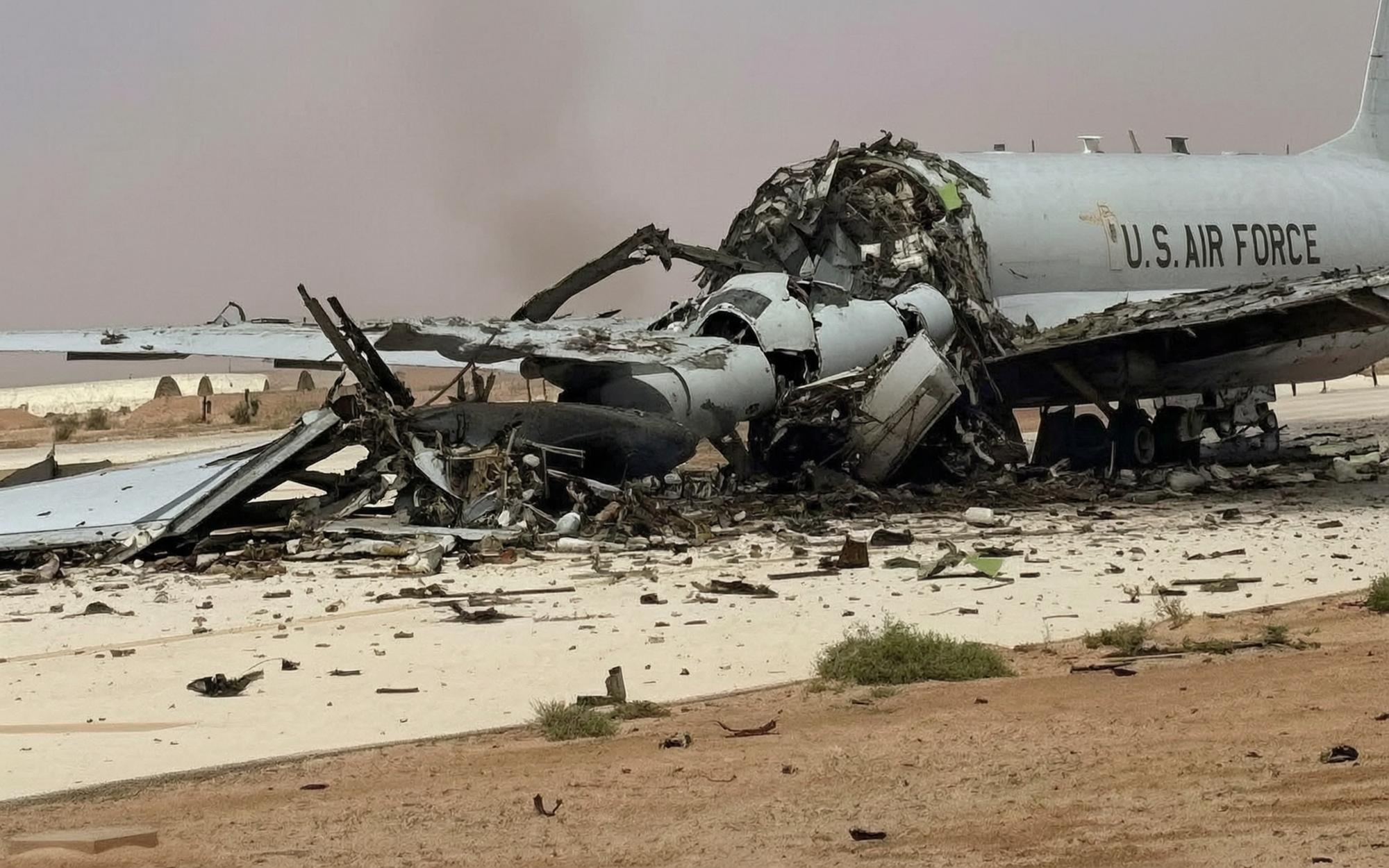
That brought the total tanker losses to seven — a serious penalty against America’s global reach capability.
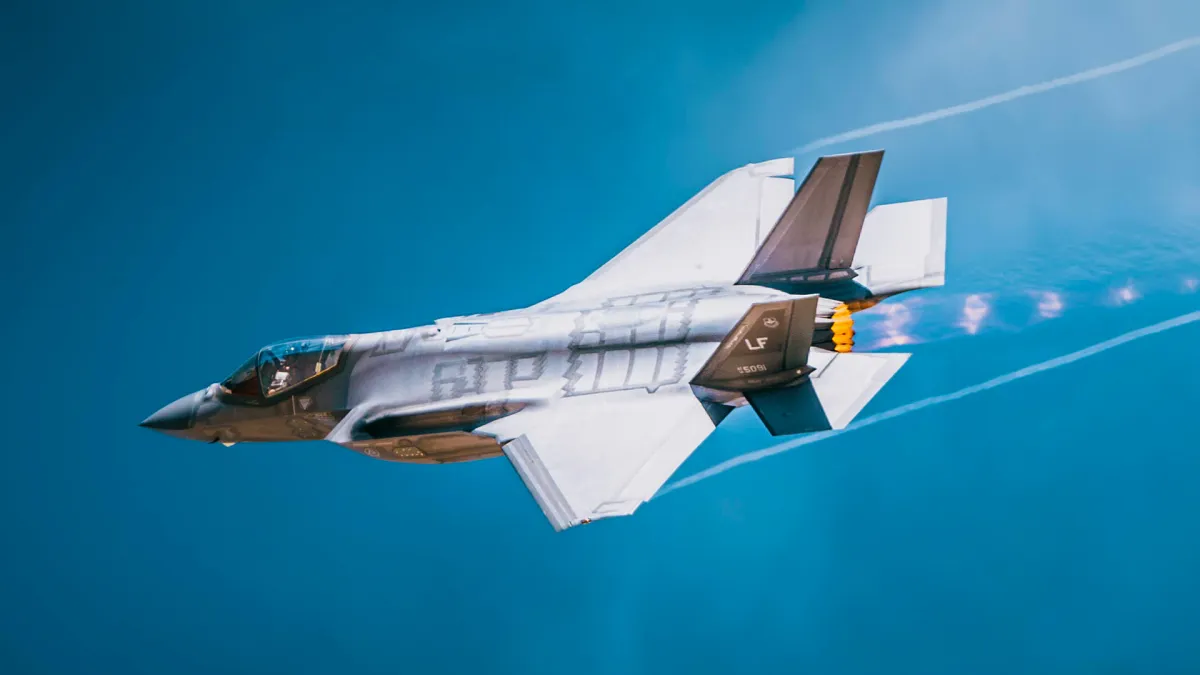
The highly advanced F-35A Lightning II also took hits. On March 19, one jet sustained ground fire over Iran but limped back to base. Tehran’s aggression didn’t stop there; on March 27, another strike on Prince Sultan scarred an E-3 Sentry radar aircraft. According to later reporting, the aircraft had been left unshielded on an exposed taxiway — a stunning lapse for such a critical intelligence platform.
Days later, on April 3, an A-10 Thunderbolt II went down after enemy fire riddled it during a daring rescue mission.
The pilot survived, but the Warthog’s downfall marked another blow to the aging close-air-support fleet that still serves as a favorite among U.S. troops.
In the larger rescue effort for the lost F-15E crewman, American forces were forced to destroy two MC-130J Commando II transports on Iranian soil rather than let them fall into enemy hands.
Every crew member made it out, but two elite aircraft were intentionally blown apart in the desert — a grim testament to the mission’s difficulty.
The HH-60W Jolly Green II helicopters that helped in these recoveries also took hostile fire. According to accounts from the Joint Chiefs, two were hit, not one, though only one incident has been publicly documented in the CRS report. That means the total damage tally is almost certainly understated.
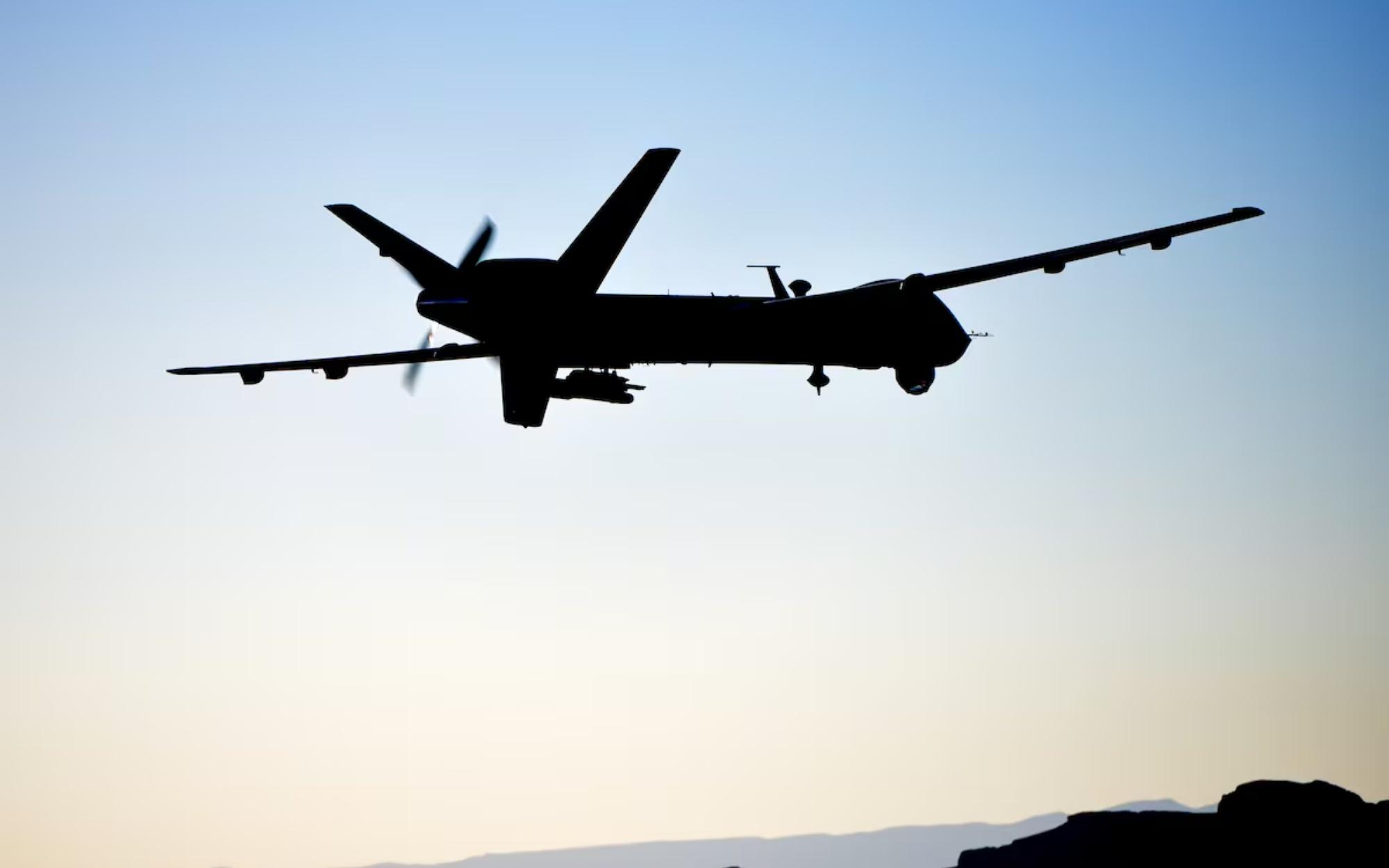
The real losses, however, came among unmanned platforms. A staggering 25 drones were lost, including 24 MQ-9 Reapers and one MQ-4C Triton.
Despite the attrition, Air Force Chief of Staff Gen. Kenneth Wilsbach told lawmakers that the MQ-9 proved the campaign’s “most valuable player.” In other words, the unmanned fleet bore the brunt — and kept on delivering.
Photos published after the March 27 strike showed that the E-3 Sentry was effectively destroyed. With only 16 of these workhorses in operation before the war, the destruction of one represents a serious hit to the U.S. airborne radar network in the region.
Other, less publicized aircraft were also lost. Open-source analysts identified burned-out Little Bird helicopters in Iran — belonging to the Army’s elite 160th Special Operations Aviation Regiment.
Their omission from the report likely comes down to classification silence from the War Department and CENTCOM.
Finally, the financial cost is ballooning right alongside the equipment losses. Acting Pentagon Comptroller Jules Hurst told Congress that operational costs have risen to $29 billion, up from $25 billion only two weeks earlier.
Hurst said the increase reflects new repair and replacement costs as well as higher day-to-day expenses keeping troops and assets forward-deployed in the warzone.
That figure does not yet include rebuilding damaged bases, hangars, or airstrips across the Middle East. So far, the war’s visible toll stands at 42 aircraft and counting — but the unseen price tag may reach far higher as the United States rebuilds its airpower edge after Epic Fury’s punishing battles.
Join the Discussion
COMMENTS POLICY: We have no tolerance for messages of violence, racism, vulgarity, obscenity or other such discourteous behavior. Thank you for contributing to a respectful and useful online dialogue.