An all-female delegation from the U.S. Senate is heading north this week, heading for the icy reaches of the Arctic under the banner of “strategic engagement.”
The bipartisan group claims the mission is meant to reaffirm America’s commitment to its allies at a time when tensions with Russia and China in the region are heating up.
But critics see this as more photo-op diplomacy than serious national security work.
Led by Sens. Jeanne Shaheen of New Hampshire and Lisa Murkowski of Alaska, the group includes six senators who will travel across several northern stops: Canada, Greenland, Norway, and Iceland.
MORE NEWS: Pentagon Confirms First Military Execution in Over 60 Years Will Be Publicly Livestreamed
The official purpose, according to their press release, is to examine “U.S. and allied Arctic security, infrastructure and research capabilities.”
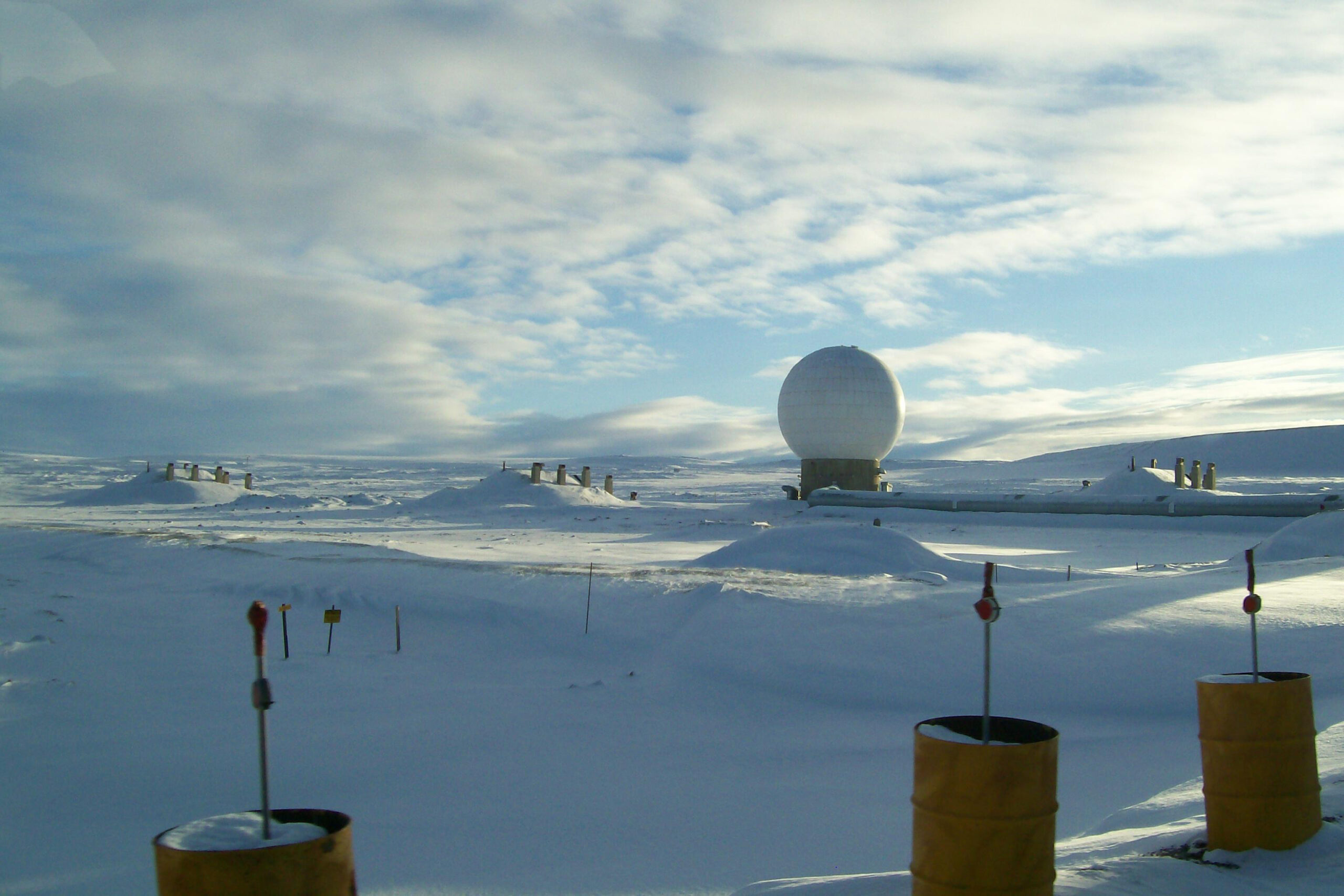
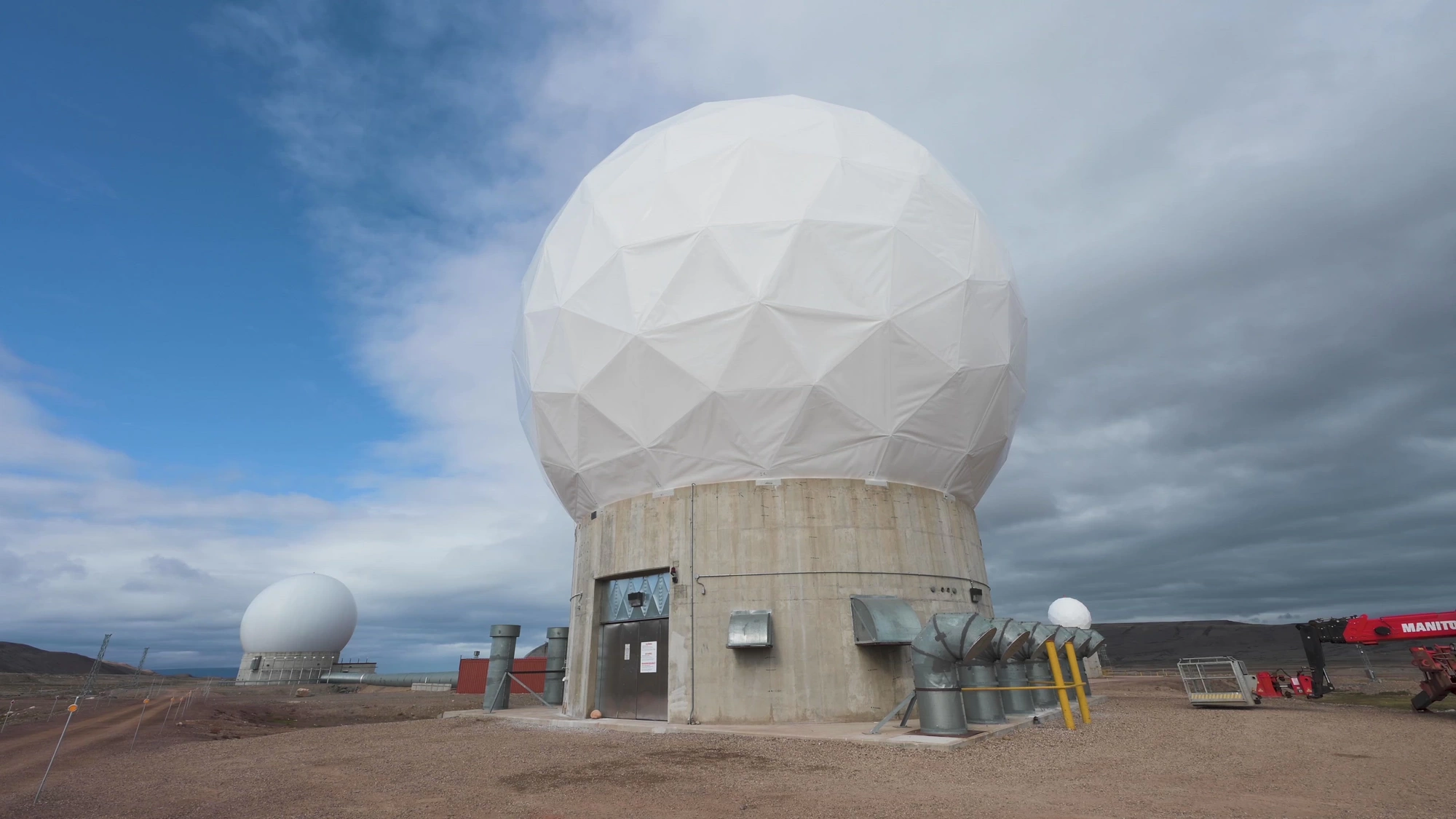
The senators’ trip will feature briefings at the Pituffik Space Base in Greenland, which plays a key role in Arctic observation and defense strategy.
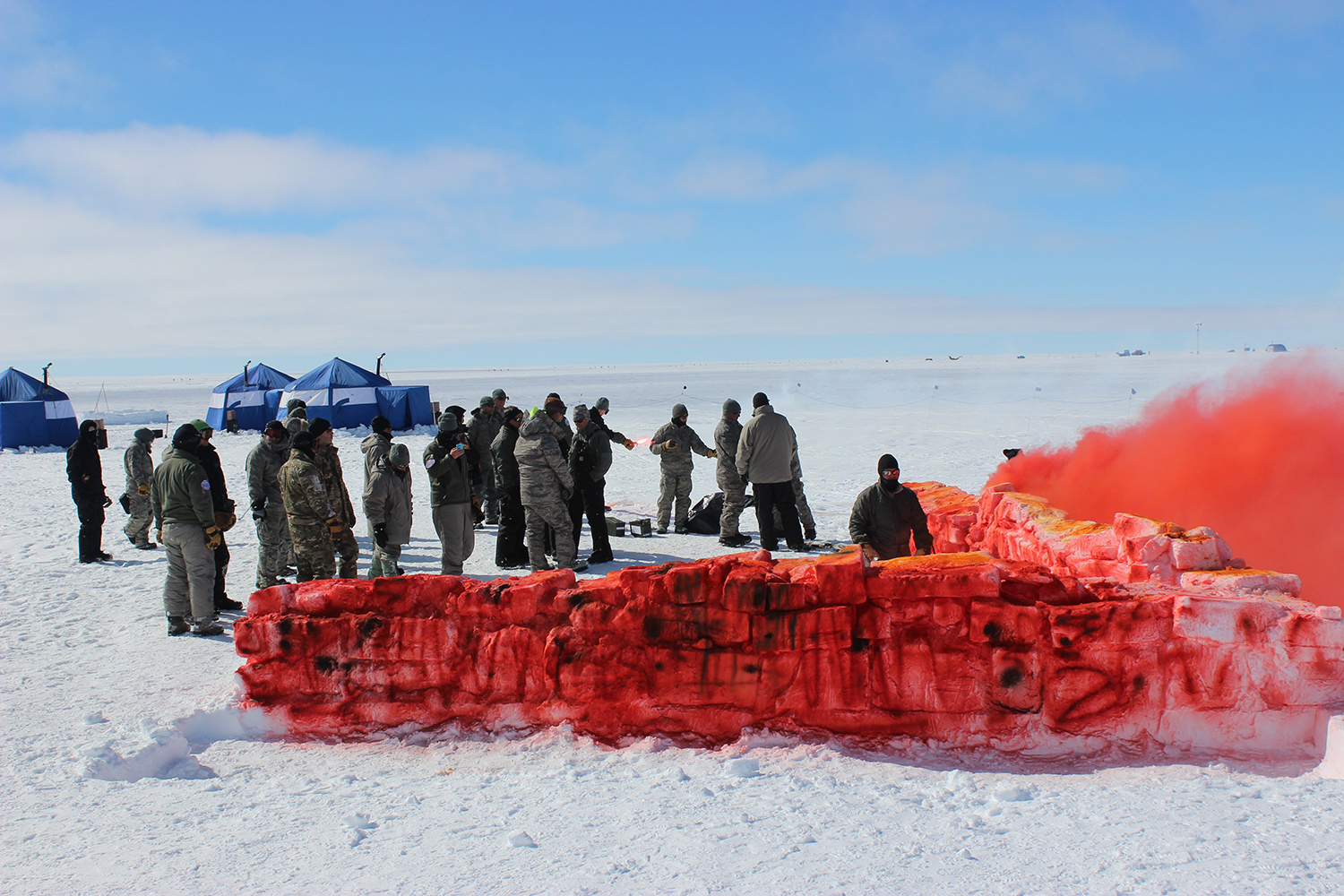
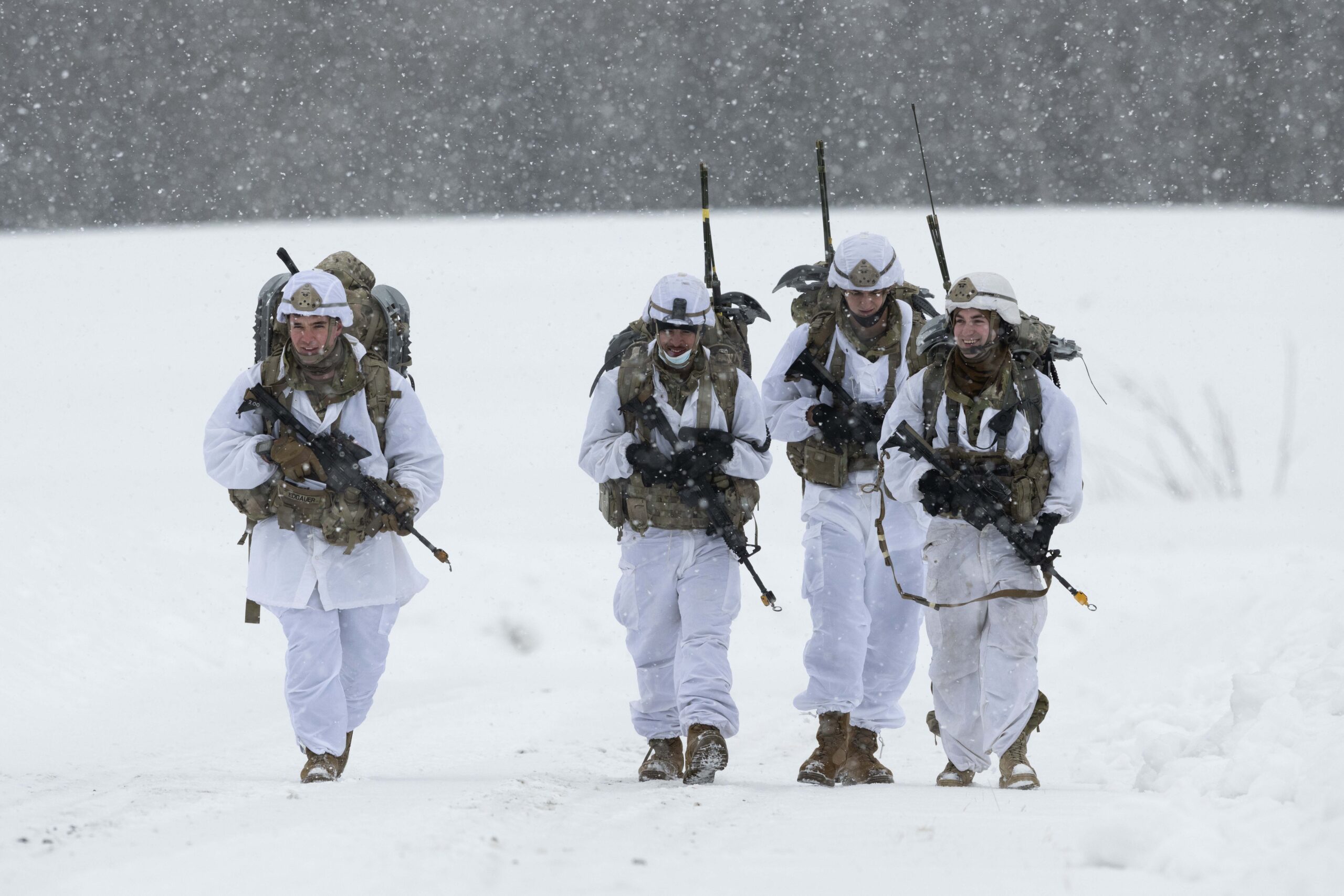
They’re also expected to meet with U.S. troops stationed in the region — men and women who shoulder the real burden of defending the front line against probing Russian expansion and Chinese ambitions.
President Trump, during his term, made it clear he understood the strategic importance of Greenland far before most politicians in Washington caught on.
Trump’s suggestion that the U.S. should look at Greenland through a lens of national security rather than political optics caused quite a stir among the European elite — especially Denmark’s bureaucratic class.
The outrage from Copenhagen only proved how complacent our so-called allies have become about maintaining a strong Western presence in the Arctic.
What the Biden-era Senate delegation is trying to accomplish now has a familiar ring — the same diplomatic song-and-dance without the decisiveness.
Trump wanted to expand America’s strategic footprint; this group wants to “expand dialogue.” The difference is one understood leverage, while the other focuses on panel discussions and symbolism.
The Arctic’s strategic value couldn’t be higher. Russia continues to push military bases and nuclear-capable submarines through the region, testing the boundaries of NATO’s vigilance.
China, though not technically an Arctic nation, keeps slipping in partnerships and research deals to assert influence. Meanwhile, U.S. presence remains limited, and the War Department has been left scrambling to keep logistics strong and long-term readiness intact.
Led by women from both parties, including Republicans like Sen. Cynthia Lummis of Wyoming, Sen. Katie Britt of Alabama, and Sen. Cindy Hyde-Smith of Mississippi, the delegation touts bipartisanship.
On the Democratic side are Sens. Kirsten Gillibrand of New York, Catherine Cortez Masto of Nevada, and Maggie Hassan of New Hampshire. They’ll meet with Arctic researchers, local Indigenous groups, and allied officials across the stops.
While these trips make for good PR photos of “cross-party cooperation,” many Americans want to know what the tangible outcomes will be.
The War Department doesn’t need more roundtables or diplomatic showpieces; it needs decisive policy shifts that strengthen logistics, naval operations, and deterrence in the High North. That means expanding bases, not just briefings.
It’s worth noting that this trip comes as geopolitical flashpoints multiply: Russia’s Arctic buildup, Beijing’s polar shipping ambitions, and the crumbling NATO consensus over energy and regional security.
The senators will get a firsthand look at the tensions rising above the Arctic Circle — but unless they’re bringing home substantial recommendations for deterrence, this may end up as just another taxpayer-funded tour.
America’s long-term security in the Arctic won’t come from climate studies or talking points about gender balance.
It will come from a clear-eyed strategy built on what President Trump understood: control of geography is control of power. Whether this delegation grasps that reality or not remains to be seen.
Senator Murkowski, representing Alaska, arguably understands the stakes better than most in Washington. The Russian border isn’t a theoretical concept to her state — it’s a daily reminder that America’s Arctic defense posture is thin.
The question is whether her colleagues will return from this trip ready to demand more assets, more presence, and more warfighting capability in the region.
If the Senate’s Arctic expedition brings even a fraction of that awareness back to Washington, it may end up being worth the cost.
But the odds are high that it will fade into the usual Washington routine — plenty of rhetoric, no real action. The Arctic doesn’t need more press releases; it needs leadership with steel in its spine and eyes on the long game.
Join the Discussion
COMMENTS POLICY: We have no tolerance for messages of violence, racism, vulgarity, obscenity or other such discourteous behavior. Thank you for contributing to a respectful and useful online dialogue.